Cavapoo Care Guide, Cavapoo Health & Wellness, Cavapoo Training Guide
Fall Dog Safety Tips: Keep Your Dog Safe This Autumn
Aug
Fall is one of the best seasons to enjoy with your dog. Cooler temperatures make walks more comfortable, leaves create exciting smells to explore, and many families spend more time outdoors together.
However, autumn also brings several hazards that dog owners should understand.
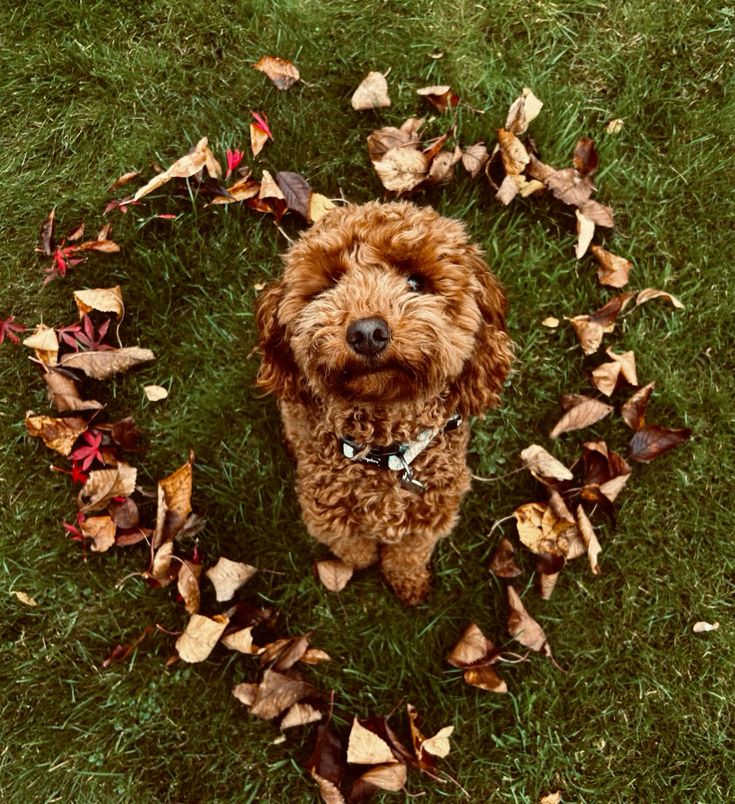
Falling leaves can hide mushrooms, acorns, and other objects your dog should not eat. Ticks may remain active well into the cooler months. Shorter days can make evening walks harder to see. Seasonal allergies can also affect some dogs.
For Cavapoo owners, autumn is a great opportunity to enjoy outdoor adventures while keeping safety at the center of your routine.
Here are the most important fall dog safety tips every pet parent should know.
1. Fall dog safety tips: Protect Your Dog From Fleas and Ticks
Cooler temperatures do not automatically mean fleas and ticks disappear.
Tick activity can continue during fall, depending on your location and weather conditions. In some parts of the United States, flea and tick activity can extend well beyond summer.
This is especially important if your Cavapoo enjoys hiking, visiting dog parks, exploring wooded trails, or playing in the yard.
After outdoor activities, check your dog carefully.
Pay particular attention to:
- Around the ears
- Between the toes
- Under the collar
- Around the neck
- Under the legs
- Around the tail
- Between the legs
- Areas where the coat is thinner
Regular tick checks are useful even when your dog receives preventive treatment. Your veterinarian can recommend a flea and tick prevention program based on your dog’s age, lifestyle, health, and location.
For additional information, see our guide on how dogs pick up fleas and how to prevent flea infestations.
2. Be Careful Around Leaves, Acorns, and Mushrooms
Autumn leaves may look harmless, but they can hide things your dog should not eat.
Acorns are one example.
Large quantities of acorns can cause digestive problems, and the acorns themselves can potentially obstruct the digestive tract. The ASPCA lists oak and notes that acorns can cause digestive obstruction.
Fallen leaves can also cover mushrooms and other plant material.
Some mushrooms and plants can be dangerous to dogs. Because identification can be difficult, it is safest to prevent your dog from eating unknown plants, mushrooms, berries, or nuts while outdoors.
The ASPCA maintains a database of toxic and non-toxic plants that can help dog owners identify potential hazards.
ASPCA Toxic and Non-Toxic Plants Database
What should you do if your dog eats something suspicious?
Do not wait for severe symptoms before seeking advice.
If you believe your dog has eaten a potentially poisonous substance, contact your veterinarian or an appropriate animal poison-control service for guidance. The ASPCA Poison Control service provides 24-hour assistance for animal poison emergencies.
3. Watch Your Dog Around Fall Decorations
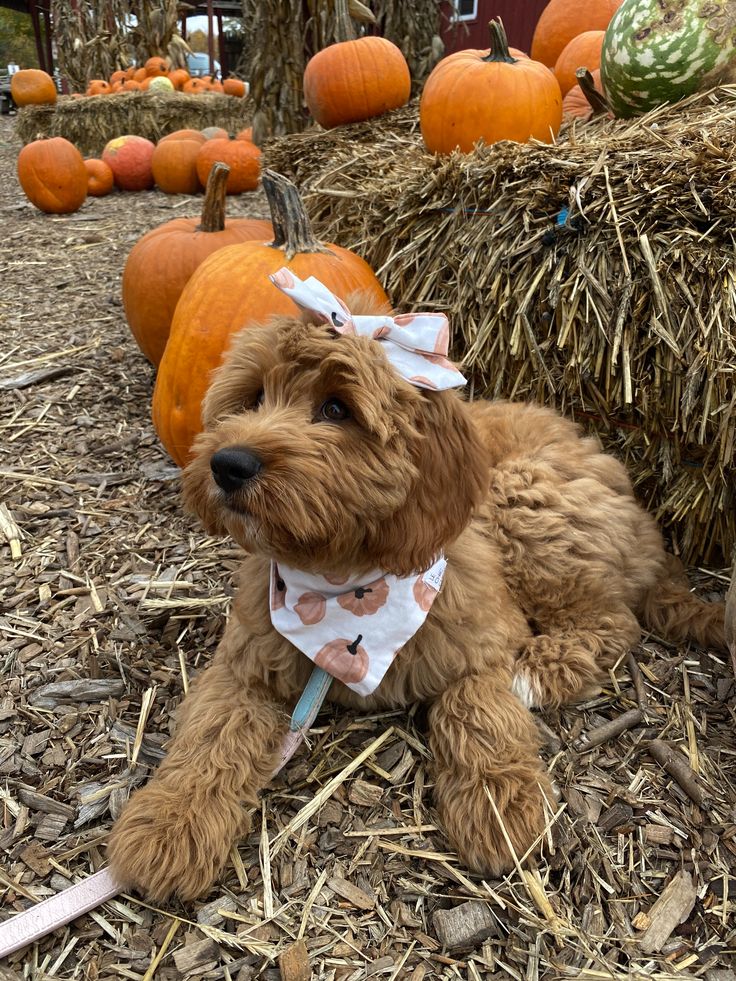
Pumpkins, corn stalks, decorative gourds, candles, electrical cords, and other seasonal decorations can create new risks inside your home.
A curious Cavapoo may investigate anything that looks or smells different.
Keep decorations out of reach if your dog is likely to chew them.
Pay particular attention to:
- Candles
- Electrical cords
- Small decorative objects
- Artificial leaves
- Decorative berries
- Small pumpkins or gourds
- Corn decorations
- String lights
Never leave a lit candle where your dog can knock it over.
Electrical decorations should also be positioned where your dog cannot chew the cords.
Remember that puppies are especially curious. If your new Cavapoo is still learning household rules, keeping seasonal decorations safely out of reach is much easier than dealing with an emergency later.
4. Prepare Your Dog for Cooler Temperatures
Fall weather can change quickly.
A sunny afternoon can become a chilly evening, particularly in northern states.
Small dogs and dogs with lighter coats may become uncomfortable sooner than larger dogs with thick coats. Your individual dog’s tolerance matters more than a specific temperature number.
Watch for signs that your dog is getting cold, including:
- Shivering
- Reluctance to continue walking
- Lifting the paws repeatedly
- Seeking shelter
- Curling up tightly
- Whining or appearing uncomfortable
If your dog becomes cold, bring them inside and warm them gradually.
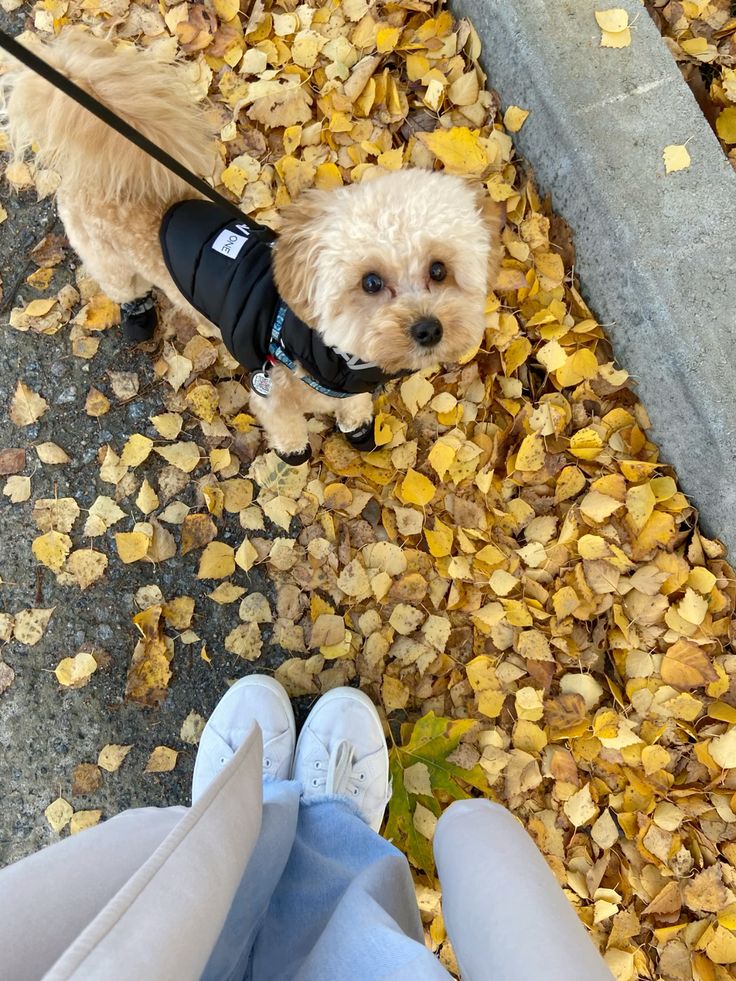
For some dogs, a properly fitted sweater or jacket may make outdoor walks more comfortable. Clothing should never restrict movement, breathing, or normal bathroom behavior.
Avoid leaving your dog outdoors for extended periods when temperatures fall.
5. Keep Your Dog Visible During Evening Walks
One of the biggest changes during fall is shorter daylight.
You may suddenly find yourself walking your dog before sunrise or after sunset.
This creates additional visibility concerns around roads, parking lots, driveways, and busy neighborhoods.
Consider using:
- Reflective collars
- Reflective leashes
- LED collars
- Reflective harnesses
- High-visibility clothing
You should also wear reflective clothing when walking near traffic.
Keep your dog on a secure leash and avoid allowing them to wander near roads, even if they normally have excellent recall.
A few simple visibility measures can make an enormous difference during darker autumn walks.
6. Watch for Seasonal Allergies
Fall can bring allergens such as ragweed, mold, and other environmental irritants.
Some dogs may respond to seasonal allergens with:
- Increased scratching
- Excessive licking
- Red or irritated skin
- Paw chewing
- Sneezing
- Watery eyes
- Recurrent ear irritation
It can sometimes be difficult to determine whether your dog has allergies, parasites, an infection, or another underlying problem.
If your dog’s symptoms persist or become severe, speak with your veterinarian.
Regular grooming can also help keep your dog’s coat clean after outdoor adventures.
For Cavapoos, regular brushing is particularly important because their coats can collect leaves, grass, dirt, and other outdoor debris.
7. Check Your Dog After Hiking and Outdoor Adventures
Fall is perfect for hiking and exploring.
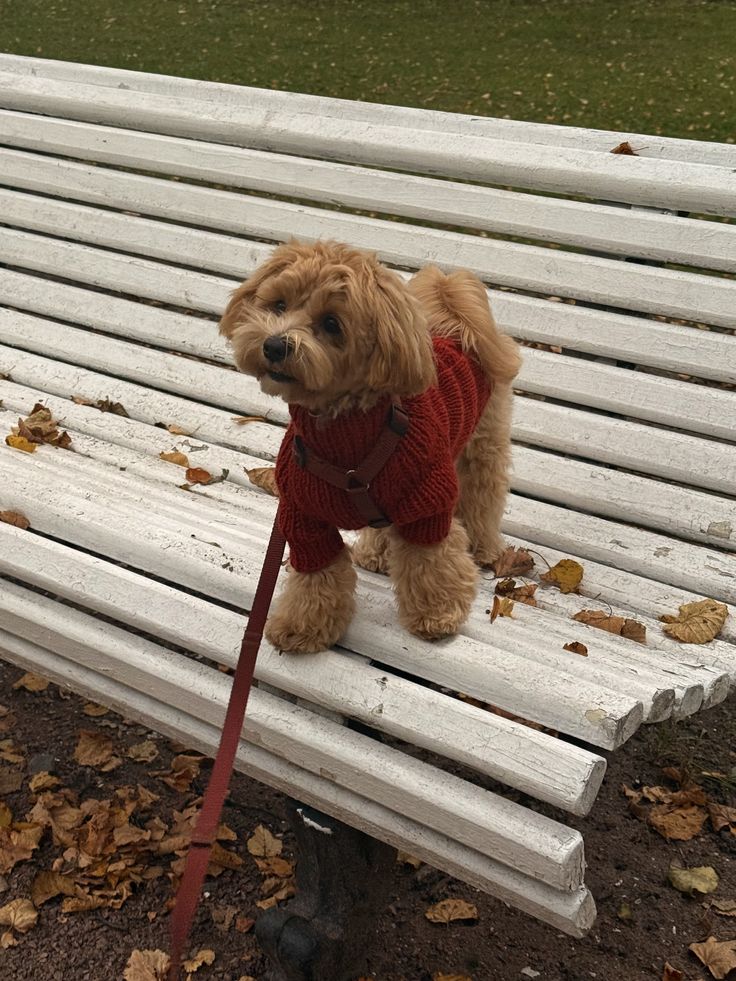
But wooded trails, tall grass, brush, and piles of leaves can increase your dog’s exposure to ticks and other outdoor hazards.
Before heading home, perform a quick inspection.
Run your hands through your dog’s coat and check their skin carefully.
Look for:
- Ticks
- Burrs
- Thorny plant material
- Small cuts
- Red or irritated areas
- Mud between the paws
- Foreign objects caught in the coat
Ticks can transmit diseases to dogs, including Lyme disease, ehrlichiosis, anaplasmosis, and other tick-borne illnesses.
American Kennel Club: Tick-Borne Diseases in Dogs
If you find an attached tick and are unsure how to remove it safely, contact your veterinarian.
8. Keep Your Yard Safe During Fall Cleanup
Fall yard maintenance can create temporary hazards for dogs.
When cleaning leaves, trimming bushes, or preparing your garden for winter, keep your dog away from piles of debris until you have checked them.
Leaf piles can contain:
- Ticks
- Mushrooms
- Sharp branches
- Insects
- Wildlife
- Mold
- Other hidden objects
Do not allow your dog to eat large amounts of leaves or investigate piles containing unknown material.
Keeping grass trimmed and removing excessive leaf litter can also help reduce tick-friendly areas around your property.
9. Be Careful Around Wildlife
Fall is an active time for many wild animals.
Your dog may encounter squirrels, raccoons, skunks, rodents, and other wildlife while exploring outside.
Even a friendly dog can become unpredictable when chasing an animal.
Wildlife encounters can result in bites, scratches, parasite exposure, or other injuries.
Keep your dog supervised outdoors and use a leash in areas where wildlife is common.
Do not allow your dog to chase or corner wild animals.
If your dog has been bitten or scratched by wildlife, contact your veterinarian promptly for advice.
10. Pay Attention to Older Dogs and Joint Comfort
Cooler weather can make some older dogs appear stiffer or less comfortable.
You may notice your dog taking longer to get up, walking more slowly, avoiding stairs, or showing reluctance to jump onto furniture.
Do not assume these changes are simply part of getting older.
Persistent stiffness, limping, pain, or changes in mobility should be discussed with your veterinarian.
At home, nonslip rugs can help dogs move more confidently across slippery floors.
A comfortable bed in a warm, draft-free location can also give your dog a cozy place to rest after an autumn walk.
Never start supplements or medications for joint problems without discussing them with your veterinarian.
11. Keep Your Dog Away From Unknown Foods
Fall brings holidays, family gatherings, parties, and plenty of food.
Unfortunately, this can create additional opportunities for dogs to eat things they should not.
Keep potentially dangerous foods away from your dog and remind visitors not to feed table scraps without asking you first.
Pay particular attention during gatherings when doors may be left open and food may be placed on low tables.
Your dog may also find dropped food before anyone notices it.
A simple rule is helpful:
If you are not sure whether a food is safe for your dog, do not give it to them until you have checked with your veterinarian.
12. Keep Your Cavapoo Groomed Throughout Fall
Your Cavapoo’s coat can collect outdoor debris during autumn walks.
Leaves, burrs, mud, and small pieces of vegetation can become trapped around the legs, ears, paws, and tail.
Regular brushing helps you identify these problems early.
After walks, check the paws carefully and remove debris before it becomes tangled into the coat.
Pay special attention to areas between the paw pads.
Keeping your Cavapoo’s coat maintained can make autumn adventures more comfortable and makes it easier to notice unusual skin changes, ticks, or injuries.
You can also learn more about responsible puppy care through our Cavapoo puppy care resources.
What Should You Do If Your Dog Gets Sick or Injured?
Some seasonal problems can be handled with routine veterinary advice, while others require immediate attention.
Contact your veterinarian if your dog develops persistent:
- Vomiting
- Diarrhea
- Lethargy
- Loss of appetite
- Limping
- Skin irritation
- Excessive scratching
- Breathing difficulties
- Unusual behavior
If your dog has difficulty breathing, collapses, experiences a seizure, has severe bleeding, or appears seriously ill, seek emergency veterinary care immediately.
When you suspect poisoning, do not guess at home remedies. Contact your veterinarian or an appropriate animal poison-control service for professional guidance.
Fall Dog Safety Checklist
Before heading outside with your dog this autumn, remember these simple precautions:
- Check your dog for ticks after outdoor adventures.
- Keep flea and tick prevention current.
- Prevent your dog from eating unknown mushrooms and plants.
- Keep acorns and other potentially hazardous objects away from your dog.
- Secure candles, electrical cords, and seasonal decorations.
- Use reflective equipment during nighttime walks.
- Consider appropriate cold-weather clothing when needed.
- Keep your yard free of excessive leaf litter and debris.
- Supervise your dog around wildlife.
- Monitor older dogs for changes in mobility.
- Brush and inspect your Cavapoo after outdoor adventures.
- Contact your veterinarian when something seems unusual.
Final Thoughts: Enjoy Fall Safely With Your Dog
Fall can be an incredible season for dogs and their families.
The cooler weather gives you more opportunities to walk, hike, explore, train, and spend quality time together.
The key is staying aware of the seasonal changes around you.
Ticks can remain active. Fallen leaves can hide mushrooms and other hazards. Shorter days can reduce visibility. Cooler temperatures can affect smaller and older dogs. Holiday gatherings can also introduce unfamiliar foods and decorations.
With a little preparation, you can reduce these risks without taking the fun out of autumn.
For Cavapoo families, this is also a wonderful time to strengthen your daily routine through walks, grooming, positive training, and safe outdoor exploration.
If you are preparing for a new puppy, you can also explore our Cavapoo puppies for sale page and learn more about responsible puppy ownership through our adoption process.
A safe fall is a happy fall—and your dog deserves to enjoy every crisp, colorful day with you.
Important Disclaimer
This article is intended for general educational purposes and does not replace veterinary advice. Dogs have different health needs, ages, sizes, lifestyles, and sensitivities. If your dog is sick, injured, has eaten something potentially toxic, or shows unusual symptoms, contact your veterinarian promptly. For suspected poisoning, seek guidance from a veterinarian or qualified animal poison-control service.
Author: Angela Butterfield
Angela Butterfield is a seasoned writer, lifestyle blogger, and lifelong dog lover. At Atlantic Cavapoo Puppies, she shares practical guidance on puppy care, training, grooming, health, safety, and everyday life with dogs.
