
Cavapoo Care Guide, Cavapoo Training Guide
New Puppy Essentials Checklist: Everything You Need Before Bringing Home Your Cavapoo Puppy
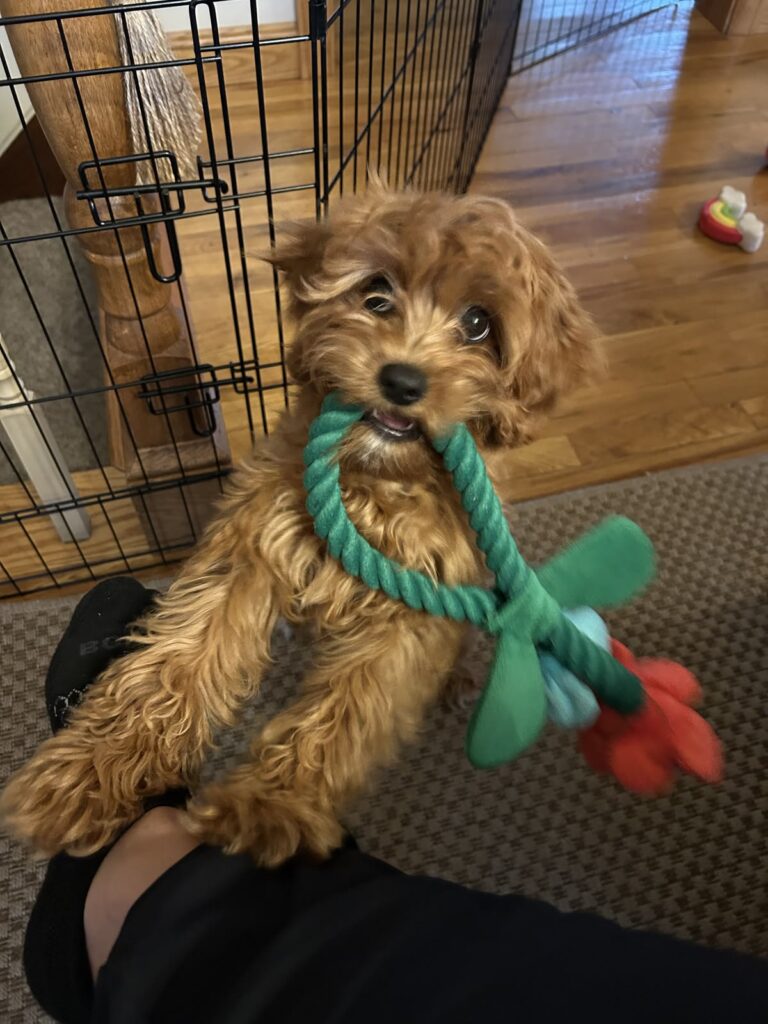
Aug
High-Quality Puppy Food
One of the most important decisions you’ll make before bringing your Cavapoo puppy home is choosing the right food (New Puppy Essentials Checklist). During the first year of life, puppies experience rapid growth and development, making proper nutrition essential for healthy bones, muscles, organs, and brain function.
Whenever possible, continue feeding the same food your breeder has been using for at least the first week after your puppy arrives. Keeping their diet consistent helps reduce digestive upset during an already stressful transition. If you decide to change brands, make the switch gradually over seven to ten days by slowly mixing the new food with the old.
Look for a premium puppy formula that meets the nutritional standards established by the Association of American Feed Control Officials (AAFCO). Foods specifically designed for puppies contain the balanced protein, fat, vitamins, and minerals growing dogs need.
Since Cavapoos are a small to medium-sized breed, they generally thrive on high-quality small-breed puppy formulas with appropriately sized kibble. Fresh water should always be available throughout the day.
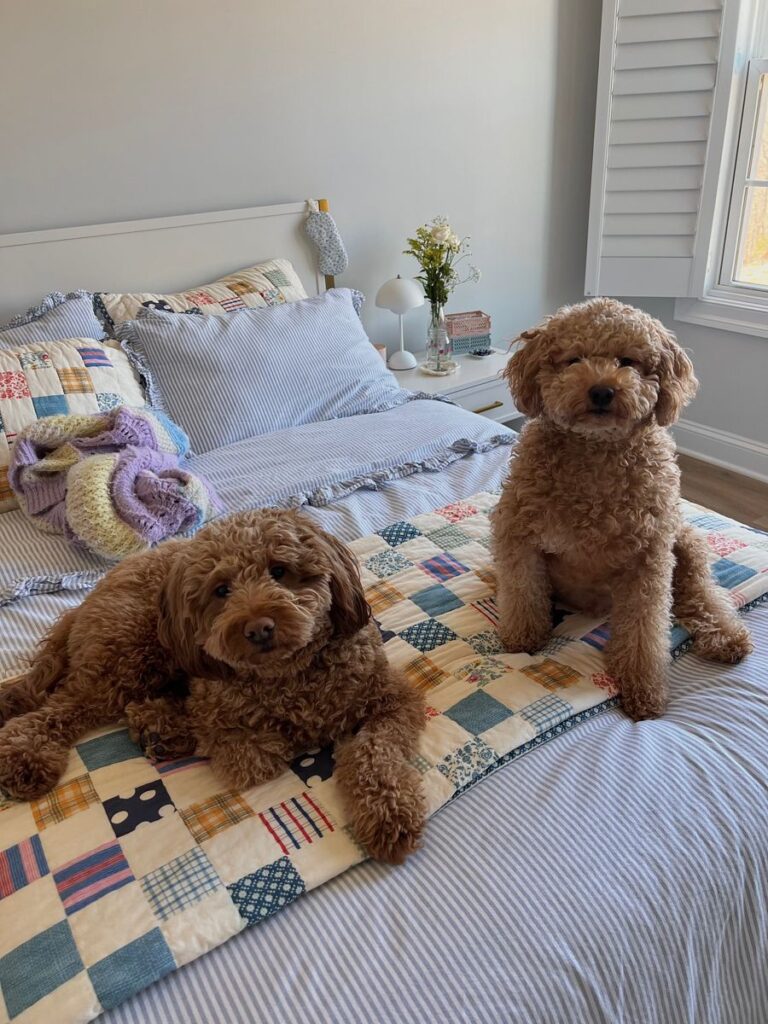
Your breeder and veterinarian can recommend the best diet based on your puppy’s age, size, activity level, and any special nutritional needs.
Collar, Harness, ID Tag, and Leash
Although your puppy won’t be taking long neighborhood walks immediately, introducing them to a collar, harness, and leash early helps build confidence and good habits.
Choose lightweight equipment that fits comfortably without restricting movement. A properly fitted harness is often easier on a young puppy’s neck than attaching a leash directly to the collar.
Your puppy’s identification tag should include:
- Your name
- Your phone number
- Your city or state
- Any additional emergency contact information
Many owners also choose to have their puppy microchipped during one of their first veterinary visits. While a collar can accidentally come off, a registered microchip provides permanent identification that greatly increases the chances of being reunited if your puppy ever becomes lost.
Practice allowing your puppy to wear the collar indoors for short periods before introducing leash training outdoors.
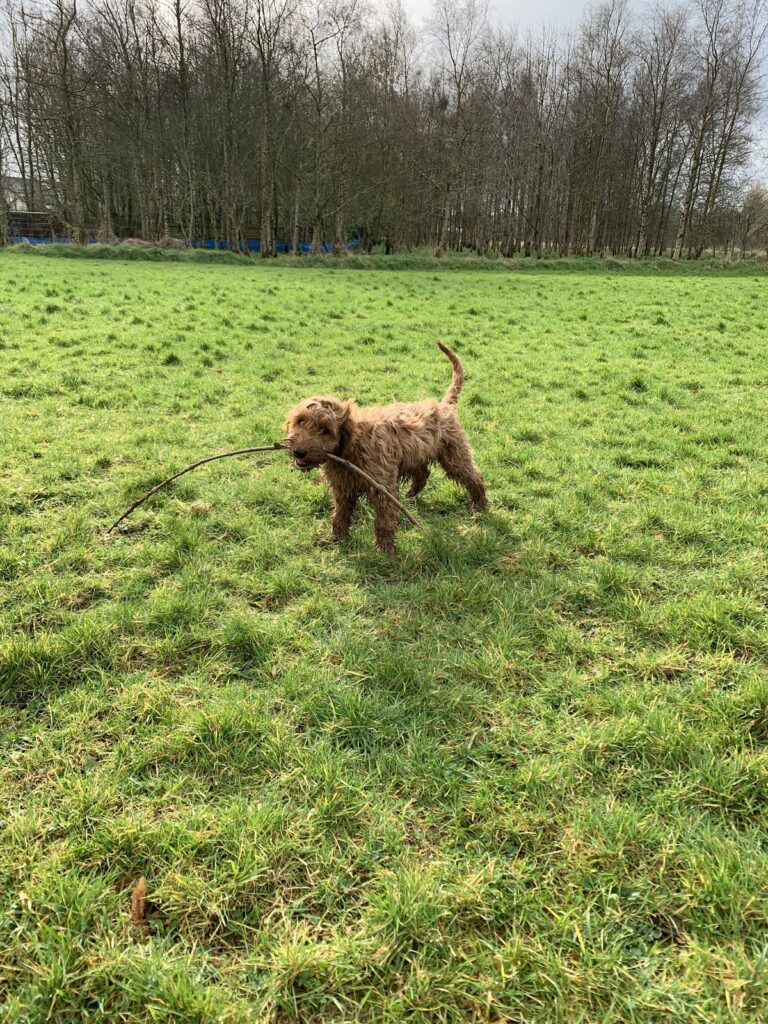
Training Treats
Positive reinforcement is one of the most effective ways to teach puppies good manners, and having plenty of small training treats on hand makes learning enjoyable.
Rewarding your puppy immediately after they perform the desired behavior helps them understand exactly what earned the reward.
Training treats are perfect for teaching:
- Sit
- Stay
- Come
- Down
- Crate training
- Potty training
- Walking politely on a leash
- Calm greetings
- Handling during grooming
Choose treats that are:
- Small enough to eat quickly
- Soft and easy to chew
- Low in calories
- Highly appealing
Remember that treats should supplement your puppy’s regular meals rather than replace them. Overfeeding treats can contribute to unwanted weight gain, especially in small breeds like Cavapoos.
Many owners also use pieces of their puppy’s regular kibble during easier training sessions to reduce extra calories while still rewarding good behavior.
Safe Chew Toys and Enrichment Toys
Puppies naturally explore the world with their mouths. Teething begins around three to four months of age, making chewing a normal part of development.
Providing appropriate chew toys protects both your puppy and your belongings.
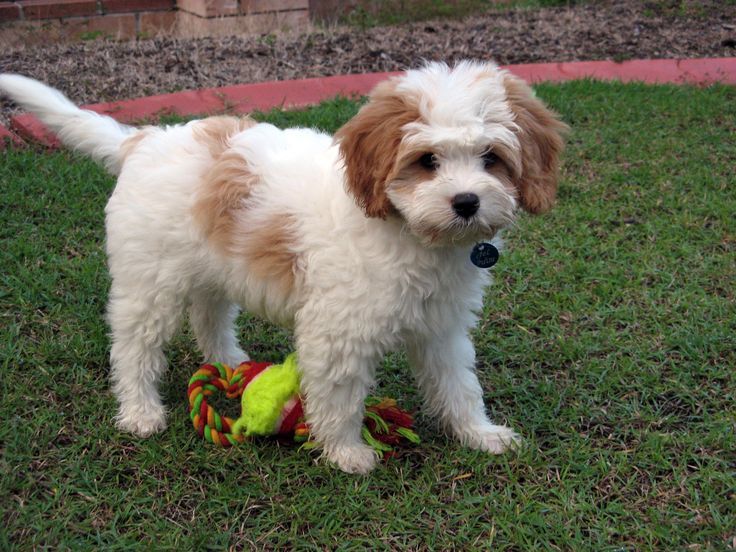
Instead of chewing furniture, shoes, electrical cords, or household objects, your puppy learns that certain toys are acceptable outlets for their chewing instincts.
Some excellent choices include:
- Rubber chew toys
- Soft plush toys
- Puppy-safe teething rings
- Rope toys
- Food-dispensing puzzle toys
- Interactive enrichment toys
Rotating toys every few days helps keep them interesting without constantly purchasing new ones.
Mental stimulation is just as important as physical exercise. Puzzle toys that encourage problem-solving can reduce boredom while building confidence and independence.
Always supervise young puppies with new toys and inspect them regularly for signs of wear to prevent accidental swallowing of broken pieces.
New Puppy Essentials Checklist: Potty Training Supplies
Successful potty training begins before your puppy even walks through the front door.
Decide in advance whether you’ll be:
- Taking your puppy outside every few hours
- Using puppy pads temporarily
- Combining both methods
Whichever method you choose, consistency is the key to success.
If you live in an apartment or high-rise building, puppy pads may provide a temporary solution until your puppy develops better bladder control. However, many trainers recommend transitioning puppies outdoors as early as possible to prevent confusion later.
Helpful potty-training supplies include:
- Puppy pads (if using them)
- Enzymatic accident cleaner
- Waste bags
- A designated outdoor potty area
- High-value training treats for rewards
Expect accidents during the first few weeks. Never punish your puppy for accidents inside the house. Instead, reward successful potty trips immediately after they finish in the correct location.
Patience, routine, and positive reinforcement will help your Cavapoo understand what you expect much faster than punishment ever could.
Grooming Supplies
One advantage of bringing home a Cavapoo is their beautiful, low-shedding coat. However, that gorgeous coat requires regular maintenance to prevent tangles and mats.
Introducing grooming while your puppy is still young helps them become comfortable with handling throughout life.
Your grooming kit should include:
- Slicker brush
- Metal comb
- Puppy-safe shampoo
- Soft towels
- Nail clippers or nail grinder
- Ear cleaner recommended by your veterinarian
- Toothbrush and dog-safe toothpaste
Keep grooming sessions short, positive, and rewarding.
Offer praise and treats throughout the process so your puppy begins associating brushing, nail trims, and ear cleaning with positive experiences instead of stress.
Routine grooming also provides an excellent opportunity to examine your puppy for skin irritation, parasites, ear infections, or other health concerns before they become serious.
A Comfortable Puppy Bed
Puppies spend most of their day sleeping. In fact, many young puppies sleep between 18 and 20 hours every day as their bodies and brains develop.
Providing a soft, supportive bed gives your puppy a safe place to relax between play sessions.
Look for a bed that is:
- Machine washable
- Durable
- Properly sized
- Soft but supportive
- Made with puppy-safe materials
Many owners place one bed inside the crate and another in the family room where everyone spends time.
Adding a familiar blanket carrying your breeder’s scent can also make the transition into your home easier by providing comfort during those first few nights.
A well-rested puppy is often calmer, easier to train, and less likely to develop unwanted behaviors caused by overtiredness.
Preparing Your Home Before Your Puppy Arrives
Buying the right supplies is only part of preparing for your new family member. Taking time to puppy-proof your home before your Cavapoo arrives can prevent accidents, protect your belongings, and help your puppy adjust with confidence.
Remember, puppies are naturally curious. Everything is new to them, and they’ll investigate the world with their noses and mouths. Looking around your home from a puppy’s perspective can help you identify potential hazards before they become problems.
Start by choosing a dedicated area where your puppy will spend most of their time during the first few weeks. This space should be quiet, comfortable, and easy to supervise. Keeping your puppy in one primary area initially can make house training easier while reducing stress as they adjust to unfamiliar surroundings.
If possible, install baby gates to limit access to rooms that aren’t yet puppy-proofed. Gradually introducing your puppy to new parts of the home helps prevent them from becoming overwhelmed while allowing you to monitor their behavior more effectively.
Puppy-Proof Every Room
Just as parents childproof a home before bringing home a baby, puppy owners should remove or secure anything that could pose a danger.
Common household hazards include:
- Electrical cords and chargers
- Houseplants that may be toxic to dogs
- Cleaning products
- Human medications
- Small children’s toys
- Coins, batteries, and jewelry
- Shoes and clothing
- Trash cans
- Plastic bags
- Loose strings or ribbons
Kitchen cabinets, laundry rooms, and garages often contain chemicals that should always remain out of your puppy’s reach.
Outside, inspect your yard for gaps in fencing, poisonous plants, sharp objects, or areas where your puppy could escape. Even if your backyard is fenced, supervise your puppy during outdoor potty breaks until they become familiar with their surroundings.
Creating a safe environment allows your puppy to explore confidently while giving you peace of mind.
Creating a Daily Routine
Dogs thrive on consistency, and puppies are no exception. Establishing a predictable schedule from day one helps your Cavapoo understand what to expect throughout the day.
Try to keep daily routines consistent by scheduling regular times for:
- Morning potty breaks
- Meals
- Short training sessions
- Playtime
- Naps
- Outdoor exercise
- Evening wind-down
- Bedtime
Most young puppies need frequent potty breaks, often every one to two hours during the day and shortly after eating, drinking, playing, or waking from a nap.
Consistent routines also make crate training much easier. Puppies quickly learn when it’s time to rest, eat, and play, reducing anxiety and helping them settle into family life faster.
As your puppy grows, these routines can gradually become more flexible while still providing the structure dogs naturally appreciate.
Your First 72 Hours Together
The first few days in a new home are exciting, but they can also feel overwhelming for a young puppy who has just left their mother and littermates.
Everything they see, hear, and smell is unfamiliar.
Rather than introducing your puppy to lots of new people immediately, focus on helping them feel safe.
During the first few days:
- Keep visitors to a minimum.
- Allow your puppy to explore at their own pace.
- Maintain a calm, predictable routine.
- Offer frequent potty breaks.
- Reward calm behavior.
- Provide plenty of opportunities for rest.
Avoid overstimulation by limiting long car rides, crowded public places, or large gatherings until your puppy has adjusted and your veterinarian recommends it’s safe to begin broader socialization.
Building trust during these first few days lays the foundation for a confident, secure companion.
Schedule Your First Veterinary Visit
One of the first appointments you should schedule after bringing your puppy home is a wellness examination with your veterinarian.
Even if your breeder has already provided vaccinations and health records, your veterinarian will want to establish ongoing care and discuss your puppy’s individual needs.
During this visit, your veterinarian may:
- Perform a complete physical examination.
- Review vaccination records.
- Discuss parasite prevention.
- Recommend heartworm prevention.
- Create a vaccination schedule.
- Answer nutrition questions.
- Discuss spaying or neutering.
- Review microchipping if it hasn’t already been completed.
This visit is also an excellent opportunity to ask questions about behavior, teething, sleep schedules, and house training.
Developing a strong relationship with your veterinarian early ensures your puppy receives the preventive care needed throughout every stage of life.
Common Mistakes First-Time Puppy Owners Make
Every new puppy owner makes mistakes. Fortunately, most are easy to avoid with a little preparation.
Some of the most common include:
Buying Too Many Toys
Puppies don’t need dozens of toys on day one. A small selection of quality chew toys, plush toys, and interactive toys is usually more than enough. Rotate them regularly to keep your puppy interested.
Changing Food Too Quickly
Suddenly switching foods can upset your puppy’s stomach. Whenever possible, continue feeding the same diet your breeder recommends before gradually transitioning if necessary.
Expecting Too Much Too Soon
Young puppies have short attention spans and limited bladder control. Progress comes through patience, consistency, and positive reinforcement—not perfection.
Skipping Socialization
Proper socialization during the first few months helps puppies develop into confident adult dogs. Introduce new people, sights, sounds, and environments gradually while creating positive experiences.
Forgetting About Rest
Many behavior problems stem from overtired puppies. Regular naps are just as important as playtime and training.
By setting realistic expectations, you’ll enjoy the journey much more while helping your Cavapoo become a well-adjusted family companion.
Helpful Resources Before Bringing Home Your Puppy
If you’re preparing for your new Cavapoo, these guides from Atlantic Cavapoo Puppies Home can help you every step of the way.
- Bringing Home Your New Baby Puppy
- Puppy Potty Training Tips
- How to Socialize Your Puppy
- Crate Training Your Puppy
- Basic Puppy Training Tips
- Traveling Home With Your New Puppy
- Dog Potty Pads: When They Help and When They Hurt
- Tips for Bathing Your Puppy
- Cavapoo Puppy Care Guide
- Cavapoo Feeding Guide
- Cavapoo Grooming Guide
- Available Cavapoo Puppies for Sale
- About Atlantic Cavapoo Puppies Home
- Contact Atlantic Cavapoo Puppies Home
Frequently Asked Questions About New Puppy Essentials
What do I need before bringing a puppy home?
Before bringing your puppy home, you’ll want to have the essentials ready, including a crate or playpen, food and water bowls, high-quality puppy food, a collar or harness, leash, identification tag, puppy bed, chew toys, training treats, grooming supplies, and potty training equipment. Having everything prepared ahead of time helps reduce stress for both you and your puppy during those important first days together.
What should I buy for a Cavapoo puppy?
Cavapoo puppies benefit from many of the same supplies as other breeds, but there are a few breed-specific considerations. Because Cavapoos have soft, curly coats, you’ll need quality grooming tools such as a slicker brush and metal comb. Lightweight harnesses, appropriately sized chew toys, and premium small-breed puppy food are also excellent choices for this intelligent and affectionate breed.
How do I prepare my house for a new puppy?
Puppy-proof your home by removing electrical cords, securing cleaning products, storing medications safely, and keeping small objects out of reach. Designate a quiet area where your puppy can sleep, eat, and relax while gradually introducing them to the rest of the home.
When should I buy puppy supplies?
It’s best to purchase your supplies at least a week before bringing your puppy home. This gives you time to assemble the crate, organize your puppy’s space, and ensure everything is ready before your new companion arrives.
Should I use a crate for my puppy?
Yes. When introduced properly, a crate provides your puppy with a secure place to rest and can be one of the most effective tools for house training and establishing a daily routine. The crate should always be associated with positive experiences and never used as punishment.
How many toys does a puppy need?
You don’t need dozens of toys. A small selection of chew toys, plush toys, and interactive enrichment toys is usually enough. Rotating toys every few days helps keep them interesting while encouraging healthy play and mental stimulation.
What type of food should I feed my puppy?
Choose a complete and balanced puppy food formulated for your puppy’s size and life stage. Ask your breeder what food your puppy has been eating, and avoid making sudden dietary changes. If switching foods, transition gradually over seven to ten days to reduce the risk of digestive upset.
How often should puppies eat?
Most young puppies need three to four small meals each day. As they grow, your veterinarian may recommend transitioning to two meals daily. Consistent feeding times help establish routines and can also make potty training easier.
When should my puppy visit the veterinarian?
Schedule your puppy’s first veterinary appointment within the first few days after bringing them home. Your veterinarian will perform a wellness examination, review vaccination records, discuss parasite prevention, answer nutrition questions, and create a preventive healthcare plan.
How long does it take for a puppy to adjust to a new home?
Every puppy is different, but many begin settling into their new environment within the first few days. It may take several weeks for your puppy to fully adjust to their new family, establish routines, and feel completely comfortable. Patience, consistency, and positive reinforcement are the keys to a successful transition.
Why is preparation so important before bringing home a puppy?
Preparing ahead of time allows you to focus on bonding with your puppy rather than making last-minute trips to the store. A safe environment, proper supplies, and a consistent routine help puppies feel secure, learn faster, and develop into confident adult dogs.
Start Your Puppy Journey with Confidence
Bringing home a puppy is one of life’s most rewarding experiences. With a little planning and the right supplies, you’ll be well prepared to welcome your newest family member into a safe, loving home.
Remember that no puppy—or puppy owner—is perfect. There will be accidents, plenty of learning opportunities, and lots of unforgettable moments along the way. By staying patient, creating consistent routines, and providing positive guidance, you’ll help your puppy grow into a happy, healthy, and well-mannered companion.
If you’re still looking for the perfect Cavapoo puppy, Atlantic Cavapoo Puppies Home is here to help. We are committed to raising healthy, well-socialized puppies and supporting families long after adoption day. Whether you’re welcoming your very first puppy or adding another furry friend to your family, we’re excited to be part of your journey.
About Atlantic Cavapoo Puppies Home
At Atlantic Cavapoo Puppies Home, we’re passionate about connecting loving families with healthy, happy, and well-socialized Cavapoo puppies. Every puppy receives exceptional care, early socialization, and plenty of love before joining their forever home.
We believe responsible breeding, ongoing education, and lifetime support are the foundation of every successful puppy adoption. From helping you prepare for your puppy’s arrival to providing helpful resources throughout your dog’s life, we’re committed to making your experience as enjoyable and rewarding as possible.
Whether you’re just beginning your search or getting ready to welcome your new best friend home, we’re here to guide you every step of the way.
Add a little wiggle to your life with Atlantic Cavapoo Puppies Home!

Pingback: 10 Simple Dog Life Hacks Every Dog Owner Should Know
Pingback: First Time Puppy Parent Guide: How to Prepare for Your Cavapoo