
Cavapoo Care Guide, Grooming Guide
Bringing Home a Brand New Baby Puppy: Everything You Need to Know for the First Day
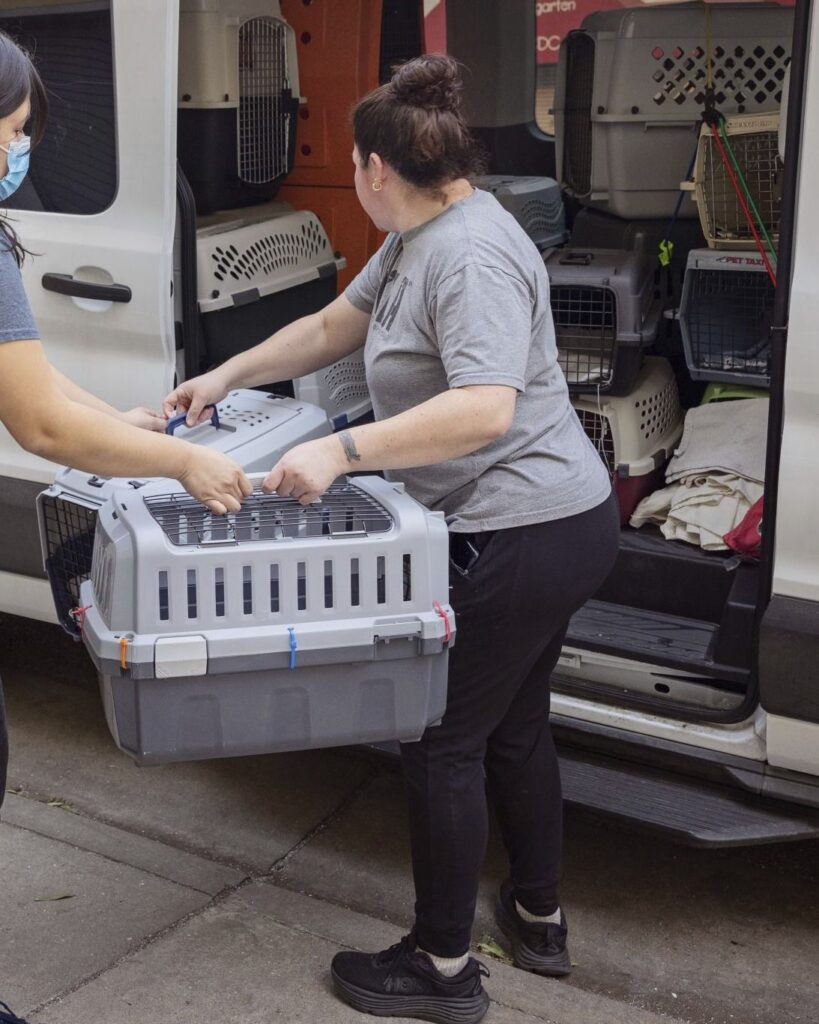
Aug
Bringing home a brand new baby puppy is one of the most exciting experiences you’ll ever have. Whether you’ve been counting down the days for weeks or you’ve just found your perfect Cavapoo, the moment you finally meet your new companion is unforgettable. Along with all the excitement, however, comes a great deal of responsibility.
Your puppy is leaving everything they’ve ever known. They’ve spent the first eight weeks of life with their mother, littermates, breeder, familiar smells, and daily routines. Suddenly, they’re entering a completely new environment with unfamiliar people, sounds, and experiences.
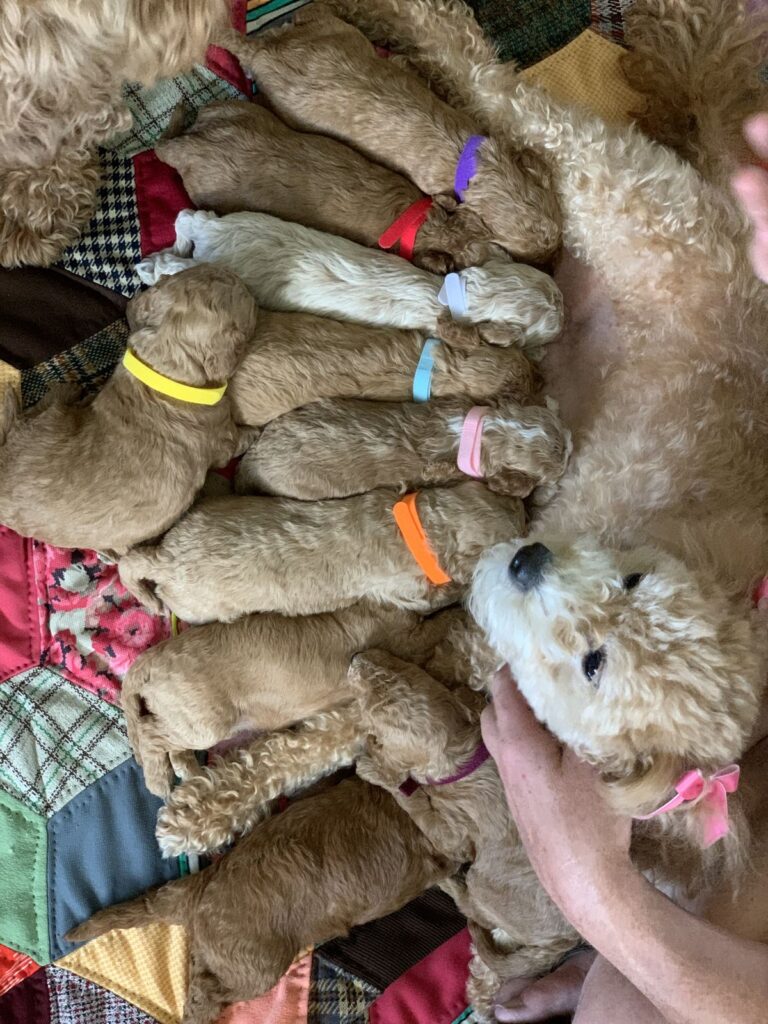
Although this transition can feel overwhelming for both you and your puppy, a little preparation goes a long way. Knowing what to expect before pickup day, during the journey home, and throughout those first few days will help make the adjustment smoother for everyone.
In this guide, we’ll walk you through every stage of bringing home your new puppy, from meeting your breeder to helping your puppy settle into their new forever home with confidence.
Why Preparation Makes All the Difference
Many new puppy owners spend weeks shopping for beds, toys, and treats but forget to prepare themselves mentally for the transition.
The truth is that bringing home a puppy isn’t about creating a perfect first day. It’s about creating a calm, safe environment where your puppy can begin building trust.
During the first several days, your puppy may:
- Sleep much more than expected.
- Cry during the first night.
- Have accidents indoors.
- Feel nervous around unfamiliar surroundings.
- Eat less than normal.
- Be curious one moment and exhausted the next.
All of these behaviors are completely normal.
The goal isn’t perfection. The goal is helping your puppy feel secure enough to begin adjusting to their new family.
Meeting Your Puppy for the First Time
One of the most memorable parts of puppy ownership is pickup day.
Responsible breeders typically schedule individual pickup appointments so each family receives plenty of personal attention. This allows you to meet your puppy without feeling rushed while giving the breeder enough time to explain everything you need to know.
During your visit, expect your breeder to review important information such as:
- Feeding schedules
- Vaccination records
- Deworming history
- Microchip information
- Health guarantees
- Registration paperwork
- Daily routines
- Personality traits
- Favorite toys and treats
Many breeders also spend time explaining what they’ve observed about your puppy’s temperament.
For example, they may tell you that your Cavapoo is especially confident, loves people, prefers quieter environments, or enjoys playing with certain toys.
These small details help you better understand your puppy before you even leave.
Don’t be afraid to ask questions.
Experienced breeders appreciate owners who want to learn as much as possible before taking their puppy home.
Questions to Ask Before Leaving the Breeder
Pickup day is the perfect opportunity to gather information that will help your puppy adjust more comfortably.
Some excellent questions include:
- What food has my puppy been eating?
- How many meals are they eating each day?
- What treats have they already tried?
- Does my puppy have a favorite toy?
- How often are they currently sleeping?
- Have they started crate training?
- What commands or routines have they already learned?
- How has my puppy interacted with people and children?
- Are there any behaviors I should watch for during the first week?
The more information you have, the easier it becomes to maintain consistency during those important first few days.
Puppies thrive on routine, so continuing familiar feeding schedules and sleeping routines can reduce stress while helping your Cavapoo settle into family life more quickly.
Give Yourself Plenty of Time
One mistake many new owners make is scheduling pickup day too tightly.
Avoid planning other appointments or errands after collecting your puppy.
Instead, allow plenty of extra time for:
- Meeting your breeder
- Completing paperwork
- Asking questions
- Spending time with your puppy
- Taking family photos
- Allowing your puppy to potty before leaving
- Getting everyone settled in the car
Remember, this is a once-in-a-lifetime moment.
There’s no need to rush.
Taking your time creates a much calmer experience for both you and your new puppy.
Helping Your Puppy Leave Their Litter
Leaving their mother and littermates is one of the biggest changes your puppy has ever experienced.
Fortunately, responsible breeders understand how important this transition is.
Many breeders gradually move puppies into a separate play area before introducing them to their new families. This gentle transition helps puppies focus on bonding with their new owners rather than becoming distressed by repeatedly seeing their littermates.
By the time you leave, your puppy has already started shifting their attention toward you.
This thoughtful approach often makes the transition much less stressful than abruptly removing a puppy from the middle of litter play.
As you leave, remain calm and reassuring.
Speak softly, handle your puppy gently, and avoid overwhelming them with too much excitement.
Your calm energy helps your puppy feel safe during this major life change.
What to Bring When Picking Up Your New Puppy
Having the right supplies with you on pickup day can make the trip home much smoother. While your breeder may send you home with a small bag of food, vaccination records, or a familiar blanket, it’s best to arrive fully prepared.
Packing ahead of time allows you to focus on your puppy rather than making unexpected stops along the way.
Travel Essentials
Before leaving for the breeder, make sure you have:
- A properly secured puppy travel crate or carrier
- A lightweight collar or harness
- A leash
- Fresh water and a portable bowl
- A small supply of the food your puppy is currently eating
- Waste bags
- Paper towels
- Pet-safe cleaning wipes
- A few soft treats (only if recommended by your breeder)
If your journey home is several hours long, you may also want to pack an extra blanket and a spare towel in case your puppy becomes carsick or has an accident.
Comfort Items Matter
Remember, your puppy has just left everything familiar behind.
Simple comfort items can help reduce stress during the journey home.
Consider bringing:
- A soft blanket
- A plush toy
- A familiar towel carrying the scent of the breeder’s home (if available)
- A calming voice and plenty of patience
Some breeders even provide a blanket that has been with the litter for several days, allowing your puppy to travel with familiar scents that provide reassurance during the transition.
Traveling Home Safely With Your Puppy
The drive home is your puppy’s very first adventure with their new family.
Whether you’re traveling thirty minutes or several hours, the goal is to keep your puppy comfortable, safe, and relaxed.
Many new owners imagine their puppy sleeping peacefully for the entire trip.
Sometimes that happens.
More often, however, puppies wake frequently, need potty breaks, become thirsty, or simply want reassurance from their new family.
Planning extra travel time helps eliminate unnecessary stress.
The Safest Way to Travel
The safest way for any puppy to travel is inside a properly secured travel crate.
A crate helps protect your puppy in the event of sudden braking or an accident while also preventing them from climbing around inside the vehicle.
Place soft bedding inside the crate, but avoid overfilling it with blankets that could become tangled around your puppy.
If your puppy cries during the trip, remember that this is completely normal. Speak calmly and stop when necessary, but avoid constantly opening the crate, as this can accidentally reinforce crying behavior.
Some families choose to have one passenger sit beside the crate to offer quiet reassurance throughout the journey.
Should You Hold Your Puppy?
Many families are tempted to hold their puppy for the entire drive home.
While this may feel comforting, it is much less safe than using a secured crate.
Even a minor traffic accident can cause serious injury to an unrestrained puppy.
If you decide to briefly comfort your puppy during a scheduled stop, that’s perfectly reasonable. However, once you begin driving again, your puppy should be safely secured for the remainder of the trip.
Safety should always come first.
Plan for Plenty of Potty Breaks
Young puppies have very small bladders.
An eight-week-old puppy may need to relieve themselves every hour or even more frequently, especially after waking up, eating, or drinking.
Watch for signs that your puppy may need a potty break, including:
- Restlessness
- Whining
- Circling
- Sniffing
- Panting after waking
When you stop, choose a quiet area away from places where many dogs gather.
Because your puppy has not yet completed their vaccination series, they remain vulnerable to contagious diseases that can be present in public dog parks, pet relief stations, and heavily trafficked grassy areas.
Whenever possible, carry your puppy through busy locations before allowing them to potty in a cleaner, lower-risk area.
Feeding and Water During the Journey
If your trip home is relatively short, your puppy may not need a meal until you arrive home.
For longer trips, follow the feeding schedule recommended by your breeder.
Offer small amounts of fresh water during breaks rather than allowing your puppy to drink large quantities all at once, which may increase the likelihood of car sickness.
Keeping your puppy on the same food they’ve been eating also helps reduce digestive upset during this already stressful transition.
If you plan to switch foods, wait until your puppy has settled into their new home and make the change gradually over seven to ten days.
Common Travel Mistakes to Avoid
Pickup day is exciting, but it’s easy to become distracted by the excitement.
Try to avoid these common mistakes:
- Driving straight home without potty breaks.
- Introducing your puppy to lots of strangers during the trip.
- Visiting pet stores before your puppy has completed vaccinations.
- Allowing your puppy to roam freely inside the vehicle.
- Offering too many treats during the drive.
- Taking your puppy to busy dog parks immediately after pickup.
The quieter and calmer your puppy’s first day is, the easier it will be for them to adjust to their new surroundings.
For most puppies, less excitement actually leads to a more successful transition.
The adventure has only just begun, and giving your puppy a peaceful journey home lays the foundation for everything that follows.
The First 48 Hours at Home
The first two days after bringing your puppy home are all about helping them feel safe, secure, and comfortable. Everything around them is unfamiliar—from new smells and sounds to different people and routines. While you may be eager to introduce your puppy to friends, neighbors, or other pets, it’s best to keep their world small for now.
Your puppy has experienced a major life change, and they need time to adjust at their own pace.
During these first 48 hours, focus on four simple goals:
- Keep your puppy safe.
- Establish a basic routine.
- Encourage plenty of rest.
- Begin building trust.
Remember that every puppy adjusts differently. Some settle in within hours, while others may need several days before they begin exploring confidently.
Introduce Your Home Gradually
When you first arrive home, avoid giving your puppy unrestricted access to the entire house.
Instead, introduce one small area where they’ll spend most of their time during the first few days.
This space should include:
- Their crate or sleeping area.
- Food and water bowls.
- A few safe toys.
- Easy access to the designated potty area.
Limiting your puppy’s environment reduces stress and makes supervision much easier. As they become more confident and reliable with potty training, you can gradually introduce additional rooms.
Make Potty Training a Priority
One of the very first things you should do after arriving home is take your puppy to their designated potty area.
Be patient.
Many puppies have never experienced grass, concrete, or outdoor environments before. Everything is new, and they may spend several minutes simply sniffing and exploring before they remember why they’re outside.
If your puppy doesn’t potty, don’t worry.
Simply bring them inside, supervise them closely, or place them in their crate for a short rest before trying again.
During the first few days, take your puppy outside:
- Immediately after waking up.
- After every meal.
- After drinking water.
- After play sessions.
- Before bedtime.
- Every one to two hours during the day.
Frequent opportunities greatly reduce accidents while helping your puppy learn where they’re expected to go.
Expect Accidents
Even with careful supervision, accidents will happen.
They’re a normal part of learning and should never be met with punishment.
If you catch your puppy beginning to eliminate indoors, calmly interrupt them and immediately carry or lead them outside.
If you discover an accident afterward, simply clean it thoroughly with an enzymatic cleaner and move on.
Your puppy isn’t being stubborn or disobedient—they’re still learning.
Remaining patient and consistent will produce far better results than frustration.
Let Your Puppy Sleep
Many new owners are surprised by just how much puppies sleep.
An eight-week-old puppy may sleep 18 to 20 hours each day.
Those naps are essential for healthy physical growth, brain development, and emotional regulation.
It’s tempting to keep playing while your puppy is awake, but overtired puppies often become:
- Extra mouthy.
- Hyperactive.
- Easily frustrated.
- More likely to have accidents.
- Less responsive to training.
Whenever your puppy starts becoming overly energetic or difficult to settle, they may simply need another nap.
Providing a quiet crate or puppy pen gives them the perfect place to rest.
Begin Crate Training Immediately
Introducing the crate on the very first day helps your puppy begin viewing it as a safe, relaxing place rather than somewhere they’re only placed when you leave.
Keep the experience positive by:
- Leaving the crate door open while your puppy explores.
- Tossing treats inside.
- Feeding meals near or inside the crate.
- Allowing naps inside the crate with the door closed for short periods.
Avoid forcing your puppy into the crate or using it as punishment.
Instead, help them discover that wonderful things happen there.
Over time, the crate becomes their own personal bedroom where they can relax whenever they feel tired or overwhelmed.
Keep Socialization Gentle
Although your puppy is entering one of the most important socialization periods of their life, that doesn’t mean exposing them to everything immediately.
Quality matters far more than quantity.
During the first week, focus on calm, positive experiences with:
- Immediate family members.
- Household sounds.
- Gentle handling.
- Different floor surfaces.
- Quiet outdoor environments.
Avoid overwhelming your puppy with large gatherings, crowded parks, or long outings until they’ve had time to settle into their new routine.
Positive early experiences build confidence that lasts a lifetime.
Be Patient With Yourself
Your puppy isn’t the only one adjusting.
Many new owners experience what’s commonly called the “puppy blues”—a period of feeling overwhelmed by interrupted sleep, constant supervision, potty training, and the sudden responsibility of caring for a young dog.
These feelings are completely normal.
Building a lifelong bond doesn’t happen overnight.
Each day, your puppy will become a little more comfortable, a little more confident, and a little more connected to your family.
Before long, the routines that feel challenging today will become second nature, and you’ll wonder how your home ever felt complete without your new best friend.
Common Mistakes to Avoid During Your Puppy’s First Week
Every new puppy owner makes mistakes—it’s simply part of the learning process. Fortunately, most early challenges are easy to avoid once you know what to expect. The goal isn’t to be a perfect puppy parent but to create a safe, positive environment where your puppy can learn and grow.
Here are some of the most common mistakes new owners make and how to avoid them.
Trying to Do Too Much Too Soon
It’s natural to want your puppy to meet friends, visit family, explore parks, and experience the world right away. However, the first week should focus on helping your puppy feel safe in their new home.
Keep introductions simple and gradual. Allow your puppy to build confidence before exposing them to busy environments or unfamiliar situations.
Changing Food Immediately
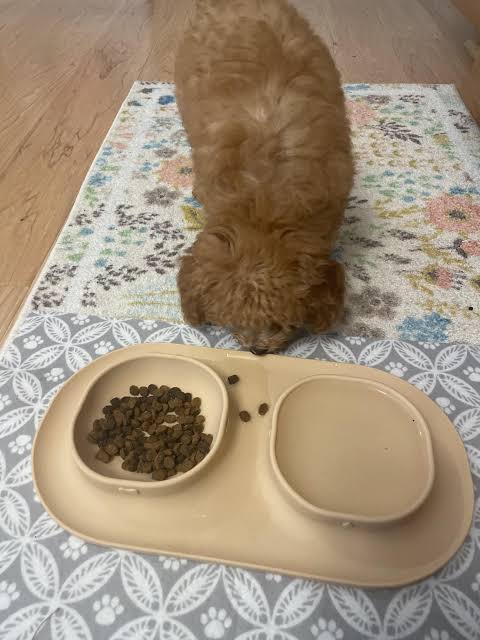
Many owners purchase a different puppy food before pickup day, believing it’s an upgrade. While changing diets may eventually be appropriate, switching foods immediately can upset your puppy’s digestive system during an already stressful transition.
Continue feeding the same food recommended by your breeder for at least the first week. If you decide to change foods later, transition gradually over seven to ten days by mixing increasing amounts of the new food with the old.
Skipping Veterinary Care
One of the first appointments you should schedule is your puppy’s initial wellness examination.
Even if your breeder has already provided vaccinations and health records, your veterinarian should examine your puppy within the first few days of arriving home. This visit establishes a healthcare plan, reviews vaccination schedules, discusses parasite prevention, and answers any questions you may have.
Building a relationship with your veterinarian early helps ensure your puppy receives the best possible care throughout their life.
Expecting Too Much Too Quickly
Your puppy won’t understand house rules on day one.
They won’t know where to potty, what furniture is off-limits, or why they shouldn’t chew your favorite shoes.
Learning takes time.
Celebrate small successes rather than expecting instant obedience. Every potty break outside, every successful nap in the crate, and every calm interaction is progress worth recognizing.
Leaving Your Puppy Alone for Long Periods
Young puppies need companionship, supervision, and frequent potty breaks.
While it’s important to begin teaching independence gradually, leaving an eight-week-old puppy alone for several hours during their first week can create unnecessary stress and make adjustment more difficult.
Instead, begin with very short separations while ensuring your puppy has a comfortable crate, safe toys, and a calm environment.
Using Punishment
Training should always focus on teaching your puppy what you want them to do rather than punishing mistakes.
Yelling, scolding, or rubbing a puppy’s nose in an accident only creates confusion and can damage trust.
Positive reinforcement—rewarding desired behaviors with praise, treats, or play—is far more effective and helps build a confident, happy companion.
Building a Strong Bond From Day One
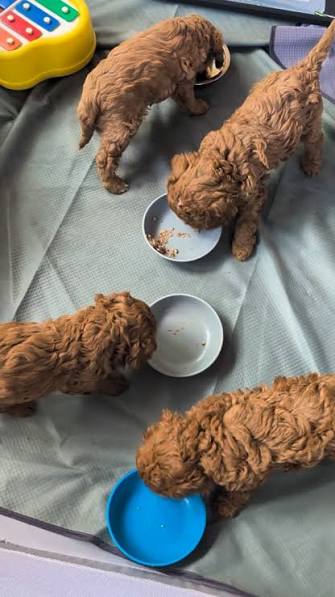
The relationship you build during your puppy’s first few weeks forms the foundation for years of companionship.
Fortunately, bonding doesn’t require complicated training exercises.
Simple everyday interactions have the greatest impact.
Spend time:
- Sitting quietly together.
- Offering gentle affection.
- Hand-feeding part of your puppy’s meals.
- Playing with appropriate toys.
- Speaking calmly and consistently.
- Exploring your home together at your puppy’s pace.
Trust develops through predictability, patience, and positive experiences.
As your puppy learns that you provide safety, food, comfort, and fun, they’ll naturally begin looking to you for guidance and reassurance.
Helpful Resources
To help you continue your puppy parenting journey, explore these helpful guides on Atlantic Cavapoo Puppies Home:
- https://atlanticcavapoopuppiesforsale.com/new-puppy-essentials-checklist/
- https://atlanticcavapoopuppiesforsale.com/puppy-potty-training-guide/
- https://atlanticcavapoopuppiesforsale.com/crate-training-your-puppy/
- https://atlanticcavapoopuppiesforsale.com/how-to-socialize-your-puppy/
- https://atlanticcavapoopuppiesforsale.com/basic-puppy-training-tips/
- https://atlanticcavapoopuppiesforsale.com/traveling-home-with-your-new-puppy/
- https://atlanticcavapoopuppiesforsale.com/new-puppy-checklist/
- https://atlanticcavapoopuppiesforsale.com/cavapoo-puppy-care/
- https://atlanticcavapoopuppiesforsale.com/available-cavapoo-puppies/
- https://atlanticcavapoopuppiesforsale.com/contact-us/
- https://atlanticcavapoopuppiesforsale.com/faq/
Frequently Asked Questions About Bringing Home a Brand New Baby Puppy
How old should a puppy be before coming home?
Most veterinarians and responsible breeders recommend bringing puppies home at eight weeks of age or older. By this time, puppies have developed important social skills with their mother and littermates while becoming better prepared for life with their new families.
What should I do immediately after bringing my puppy home?
Take your puppy directly to their designated potty area, then introduce them to a quiet space containing their crate, food, water, and toys. Allow plenty of time for rest while keeping their environment calm and predictable.
How often should an eight-week-old puppy go outside?
Most puppies need to go outside every one to two hours during the day, as well as after waking, eating, drinking, playing, and before bedtime.
Is it normal for my puppy to cry during the first night?
Yes. Your puppy has just left their mother and littermates, so some crying is completely normal. Keeping the crate nearby, maintaining a calm routine, and avoiding excessive attention to crying can help them adjust more quickly.
Should I let my puppy sleep in my bed?
While some owners eventually choose to co-sleep with their dogs, many trainers recommend beginning with crate training to establish healthy routines, encourage independence, and simplify house training.
When should I schedule my puppy’s first vet appointment?
Arrange your puppy’s first veterinary examination within a few days of bringing them home. Your veterinarian will review vaccination records, perform a health check, discuss parasite prevention, and answer any questions about your puppy’s care.
How can I help my puppy adjust to their new home?
Maintain consistent routines, provide plenty of rest, use positive reinforcement, introduce new experiences gradually, and avoid overwhelming your puppy with too many visitors or outings during the first week.
What should I feed my puppy during the first week?
Continue feeding the same food recommended by your breeder. If you decide to change diets, transition slowly over seven to ten days to minimize digestive upset.
When should I begin training?
Training begins the moment your puppy arrives home. Start with simple routines, name recognition, potty training, crate training, and rewarding calm behavior. Short, positive sessions work best for young puppies.
How long does it take for a puppy to adjust to a new home?
Every puppy is different, but many begin settling into their new routine within a few days. Most puppies become noticeably more confident after two to three weeks of consistent care, patience, and positive experiences.
Final Thoughts
Bringing home a brand new baby puppy is the beginning of an incredible journey. There will be moments filled with laughter, occasional frustration, and countless opportunities to build a lifelong bond with your newest family member.
Preparation, patience, and consistency are your greatest tools during these early weeks. By creating a calm environment, establishing healthy routines, and focusing on positive experiences, you’re giving your puppy the confidence they need to thrive.
Remember that no puppy—and no puppy owner—is perfect. Every challenge is part of the learning process, and each day you’ll both grow together. Before long, your tiny puppy will become a trusted companion who fills your home with love, loyalty, and unforgettable memories.
About Atlantic Cavapoo Puppies Home
At Atlantic Cavapoo Puppies Home, we’re passionate about helping families find healthy, happy Cavapoo puppies while providing the education and support needed for a successful start. Whether you’re preparing to welcome your first puppy or adding another furry family member, our resources are designed to help you every step of the way.
Explore our available Cavapoo puppies, browse our growing collection of puppy care guides, and discover why so many families trust Atlantic Cavapoo Puppies Home to begin their puppy journey. Together, we’ll help you give your new best friend the happiest, healthiest life possible.
