Cavapoo Breed Information
Dog Agility Training: The Complete Guide to Building Confidence, Fitness, and Teamwork With Your Dog
Aug
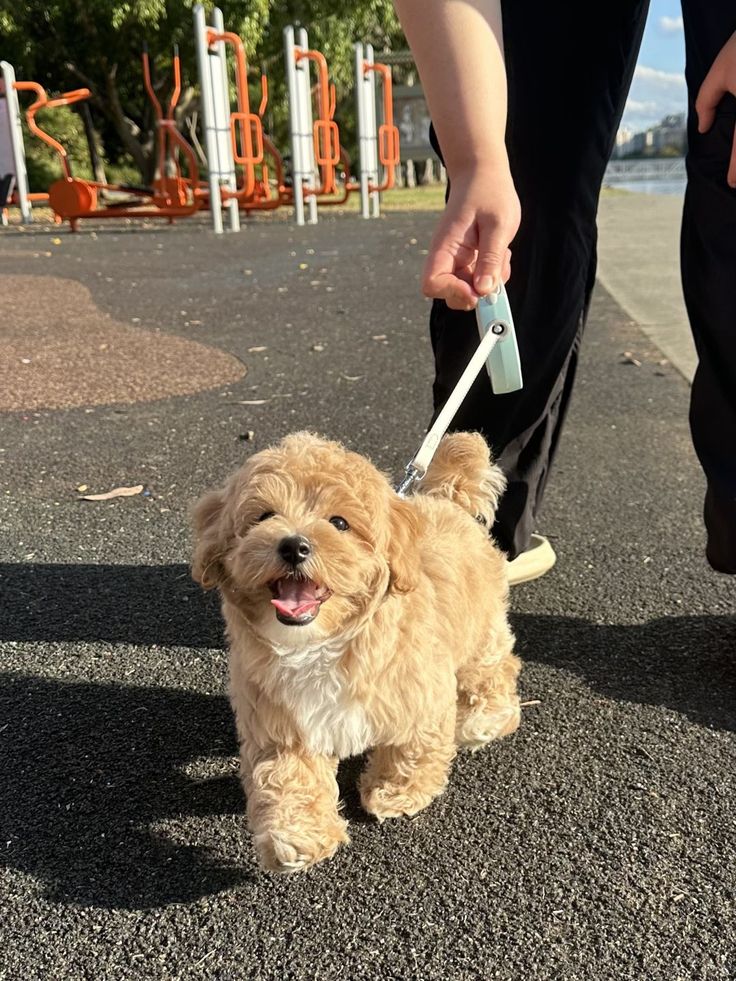
Dog agility is one of the most exciting activities you can enjoy with your canine companion(Dog Agility Training). More than simply running through tunnels or jumping over obstacles, agility strengthens communication, improves physical fitness, encourages mental stimulation, and creates an incredible bond between dogs and their owners.
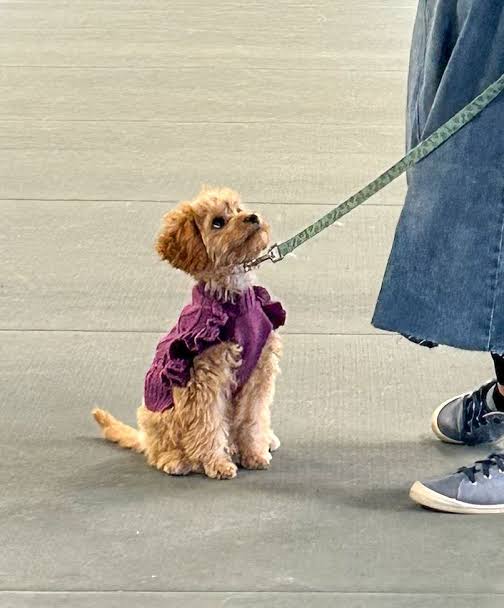
Whether your goal is to compete in agility events or simply provide your dog with a fun and rewarding form of exercise, agility training offers benefits that extend far beyond the course itself. Dogs learn to trust their handlers, improve their confidence, and develop better focus, while owners discover new ways to communicate and work together with their four-legged companions.
At Atlantic Cavapoo Puppies, we believe every dog deserves opportunities to stay mentally engaged and physically active. While not every dog will become a competitive agility athlete, many can benefit from agility-inspired games and exercises that strengthen both body and mind.
Dog Agility Training: What Is Dog Agility?
Dog agility is a sport where a handler guides a dog through a series of obstacles in a specific order. Depending on the course, dogs may navigate tunnels, jumps, weave poles, balance equipment, ramps, and other challenges while responding to their handler’s voice and body language.
Unlike many dog sports, agility is built on teamwork. Success depends on communication rather than strength. Your dog learns to pay attention to your directions while confidently completing each obstacle.
Many owners begin agility simply as a recreational activity before deciding whether competitive events are right for them.
Why Dog Agility Is More Than Just a Sport
Although agility competitions are exciting to watch, the greatest benefits often happen during everyday training.
Regular agility sessions can help your dog:
- Build confidence in unfamiliar situations.
- Improve balance and coordination.
- Burn physical energy in a healthy way.
- Develop better focus and impulse control.
- Strengthen problem-solving abilities.
- Increase trust between dog and owner.
- Reduce boredom through mental stimulation.
For owners, agility provides an enjoyable way to stay active while developing a stronger relationship with their dog.
Is Your Dog a Good Candidate for Agility?
Many people assume agility is only for certain breeds, but dogs of many sizes and backgrounds can enjoy agility training when exercises are adapted to their abilities.
Before beginning, consider your dog’s:
- Overall health.
- Age and physical development.
- Energy level.
- Interest in learning.
- Ability to focus.
- Comfort around people and other dogs.
Young puppies should avoid repetitive jumping or high-impact obstacles until their growth plates have developed. Instead, they can begin learning basic handling skills, confidence-building games, and simple obedience exercises that prepare them for future agility work.
Always consult your veterinarian before starting any strenuous exercise program, particularly if your dog has existing health concerns.
Why Foundation Training Matters
Successful agility begins long before your dog ever sees a jump or tunnel.
A solid foundation includes:
- Reliable recall.
- Sit and stay.
- Down and wait.
- Loose-leash walking.
- Focus on the handler.
- Confidence in new environments.
- Positive socialization.
Dogs that understand these basic skills usually progress much more smoothly once obstacle training begins.
If you’re raising a Cavapoo puppy, early training and socialization create an excellent foundation for future activities, including agility games, hiking adventures, and advanced obedience.
Can Cavapoos Enjoy Agility Training?
Absolutely.
While Cavapoos are best known as affectionate family companions, many also enjoy activities that challenge both their minds and bodies.
Because Cavapoos inherit intelligence from the Poodle and an eager-to-please personality from the Cavalier King Charles Spaniel, many learn agility exercises quickly when training remains positive and rewarding.
Agility can help Cavapoos:
- Improve coordination.
- Build confidence.
- Burn excess energy.
- Strengthen obedience skills.
- Prevent boredom.
- Deepen their relationship with their family.
Every Cavapoo is unique, so training sessions should always be adjusted to the dog’s age, fitness level, and personality.
If you’re interested in learning more about the breed, explore our Cavapoo Breed Guide. Families preparing for a puppy may also find our Cavapoo Care Guide and How to Train a Cavapoo Puppy resources helpful.
Essential Equipment for Beginners
You don’t need a professional competition course to introduce agility at home.
Many owners begin with simple equipment such as:
- Low practice jumps.
- Short tunnels.
- Cones for direction changes.
- Ground poles.
- Balance platforms.
- Training markers.
- Reward toys and treats.
Start with easy exercises that build confidence before introducing more complex obstacles.
The goal is not speed—it’s helping your dog succeed while having fun.
Keep Every Training Session Positive
Dogs learn best when training is enjoyable.
Short sessions of 10–15 minutes often produce better results than long, repetitive workouts.
Celebrate small achievements, reward correct behavior, and finish each session on a positive note.
Patience and consistency build confidence far more effectively than correcting mistakes or rushing progress.
Remember that agility should always strengthen your relationship with your dog rather than create stress or frustration.
Teaching the Essential Skills Before Agility
Before your dog learns to weave through poles or race through tunnels, it’s important to build a strong foundation of basic obedience and communication. Dogs that understand simple commands tend to learn agility more quickly and enjoy the experience because they know what is expected of them.
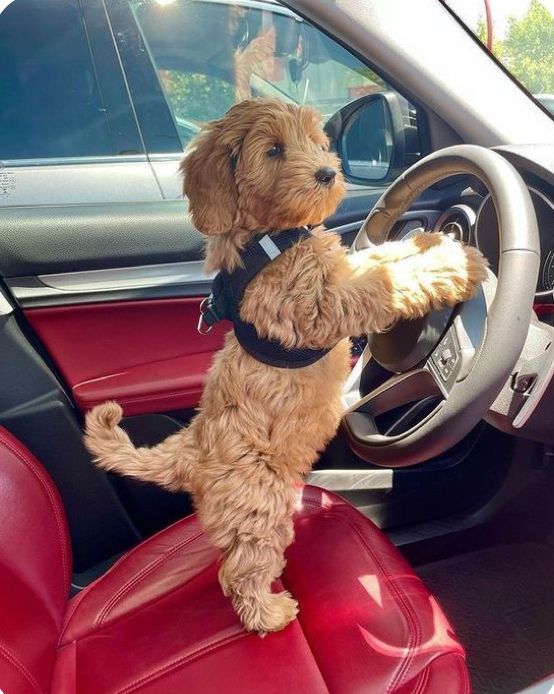
Start by practicing these core commands:
Focus
Teaching your dog to make eye contact on command is one of the most valuable skills in agility. Your dog should learn to pay attention to you even when there are distractions nearby.
Sit and Stay
A reliable sit and stay teaches patience and self-control. These commands are especially useful before starting an obstacle or waiting for your cue during training.
Recall
Coming when called is essential for both agility and everyday safety. Practice recall in different environments using positive reinforcement and plenty of praise.
Heel and Loose-Leash Walking
While agility dogs work off-leash during competition, learning to walk calmly beside you strengthens communication and reinforces good manners.
Wait
Teaching your dog to wait before moving helps improve accuracy and prevents rushing through obstacles before receiving your signal.
Introducing Obstacles One at a Time
One of the biggest mistakes beginners make is trying to teach every obstacle at once. Dogs learn much more effectively when new skills are introduced gradually.
Tunnels
Many dogs naturally enjoy running through tunnels because they trigger curiosity and playfulness. Start with a short, straight tunnel and encourage your dog using treats or a favorite toy.
Never force your dog inside. Allow them to explore at their own pace until they feel comfortable.
Low Jumps
Begin with poles placed directly on the ground before raising them slightly. The objective is proper technique and confidence—not height.
Young puppies should avoid repetitive jumping until they have fully developed.
Weave Poles
Weaving requires patience and coordination. Instead of expecting perfect performance immediately, introduce widely spaced poles and gradually decrease the spacing as your dog’s confidence improves.
Contact Equipment
Obstacles such as the A-frame, dog walk, and seesaw require balance and confidence. These should always be introduced slowly under supervision to ensure your dog feels secure.
Building Confidence Instead of Speed
Many people assume agility is about running as fast as possible. In reality, confidence and accuracy are far more important during the early stages.
Allow your dog to investigate each obstacle without pressure.
Reward every success, even if progress seems small.
Confident dogs naturally become faster as their experience grows.
Rushing a nervous dog often creates fear that can take much longer to overcome.
Using Positive Reinforcement
Positive reinforcement is one of the most effective ways to teach agility.
Reward your dog immediately after completing the desired behavior using:
- Small training treats
- Favorite toys
- Verbal praise
- Gentle affection
- Short play sessions
Every dog has different motivations. Some work enthusiastically for food, while others become excited by toys or praise. Discover what motivates your dog and use that consistently throughout training.
Training at Home
You don’t need professional equipment to begin introducing agility concepts.
Simple backyard exercises can include:
- Walking around cones.
- Stepping over broomsticks placed on the ground.
- Running through cardboard tunnels.
- Practicing directional changes.
- Balancing on stable platforms.
- Climbing gentle slopes.
These activities improve coordination, confidence, and communication without requiring expensive equipment.
Keeping Training Safe
Safety should always come before performance.
Before every training session:
- Check that equipment is stable.
- Train on non-slip surfaces.
- Keep fresh water available.
- Warm up with a short walk.
- Avoid training during extreme heat.
- Watch for signs of fatigue.
If your dog appears uncomfortable, limps, or loses enthusiasm suddenly, stop the session and allow them to rest. If symptoms continue, consult your veterinarian before resuming training.
How Long Should Training Sessions Last?
Dogs learn best through short, enjoyable sessions.
General recommendations include:
- Puppies: 5–10 minutes
- Adolescents: 10–15 minutes
- Adult dogs: 15–20 minutes
Ending while your dog is still excited helps keep training enjoyable and encourages enthusiasm for the next session.
Several short sessions throughout the week are usually more productive than one long session.
Common Beginner Mistakes
Every new handler makes mistakes, but recognizing them early helps create a more enjoyable experience.
Some common mistakes include:
- Progressing too quickly.
- Repeating the same obstacle too many times.
- Using punishment instead of encouragement.
- Ignoring signs of fatigue.
- Comparing your dog’s progress with others.
- Skipping foundation obedience.
- Expecting perfection too soon.
Remember that agility is a journey. Every successful team develops through patience, consistency, and regular practice.
Why Mental Exercise Is Just as Important
Agility challenges both the body and the mind.
Learning new obstacles, responding to commands, and solving problems keeps your dog’s brain active while reducing boredom and encouraging confidence.
For intelligent companion breeds like the Cavapoo, combining physical activity with mental stimulation often results in a calmer, happier dog at home.
Activities such as puzzle toys, scent games, obedience practice, and agility exercises complement one another and help create a well-rounded companion.
If you’re raising a Cavapoo puppy, our Cavapoo Care Guide, How to Train a Cavapoo Puppy, and Cavapoo Breed Guide offer additional tips to support your puppy’s development from the very beginning.
Can Every Dog Participate in Agility?
One of the best things about agility is that it can be adapted to suit many different dogs. While some breeds naturally excel in competitive agility because of their speed, endurance, and athletic ability, countless family dogs enjoy agility simply as a fun way to stay active and mentally engaged.
The goal doesn’t have to be winning competitions. Many owners use agility as a way to provide exercise, improve obedience, and strengthen the bond they share with their dog.
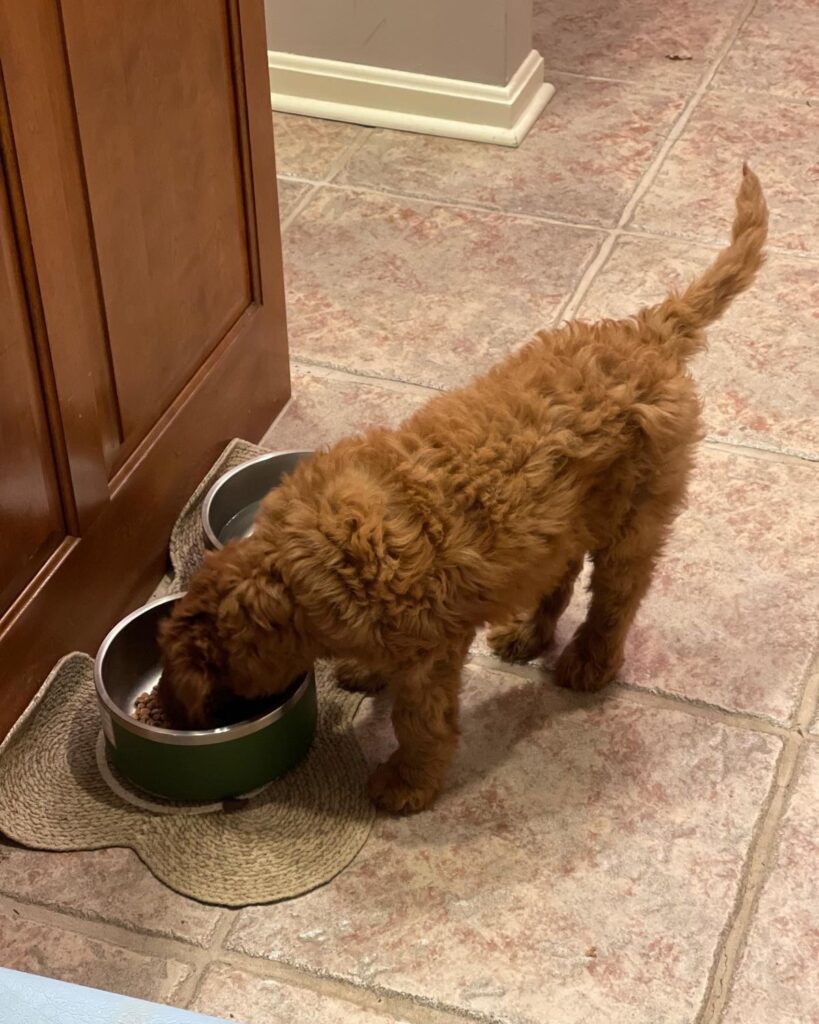
Puppies, adult dogs, and senior dogs can all participate in age-appropriate activities. The key is adjusting the intensity and difficulty to match your dog’s physical condition, confidence, and experience.
If your dog has an existing medical condition or mobility concerns, consult your veterinarian before beginning any agility program.
Preparing for Your First Agility Class
Joining an agility class is an excellent way to build confidence while learning from experienced instructors.
Before attending your first class, make sure your dog is comfortable with basic obedience commands and enjoys working around other dogs and people.
Bring the following items:
- Comfortable collar or harness
- Standard training leash
- Small, high-value training treats
- Favorite toy for rewards
- Water and portable bowl
- Waste bags
- Vaccination records if required by the training facility
Remember that every dog progresses at a different pace. Focus on creating a positive experience rather than comparing your dog’s performance with others.
Does Your Dog Need to Compete?
Absolutely not.
Competition is only one small part of agility.
Many owners enjoy practicing agility in their backyard, local training clubs, or dog training centers simply because their dogs love the activity.
Agility can become a lifelong hobby that keeps both you and your dog active while strengthening communication and trust.
How Agility Strengthens Your Relationship
Every successful agility run depends on teamwork.
Unlike activities where dogs work independently, agility requires constant communication between handler and dog. Your dog learns to trust your guidance, while you become better at understanding your dog’s body language and confidence level.
This partnership often carries over into everyday life.
Many owners notice improvements in:
- Recall
- Focus during walks
- Confidence around new environments
- Problem-solving ability
- Overall obedience
- Socialization
- Trust
Even practicing a few agility exercises at home each week can contribute to a stronger relationship.
Expert Tips from Atlantic Cavapoo Puppies
After helping many families welcome Cavapoo puppies into their homes, we’ve found that successful training always begins with patience and consistency.
Here are a few tips we encourage every puppy owner to follow:
Keep Training Fun
Dogs learn best when training feels like a game. Celebrate progress, reward effort, and finish each session while your dog is still excited to continue.
Focus on Small Victories
Every successful tunnel, jump, or recall is a step forward. Don’t rush the process. Small improvements build long-term confidence.
Build Trust Before Speed
A confident dog is always more successful than a nervous dog trying to move quickly. Allow your dog to explore obstacles at their own pace and avoid forcing them into unfamiliar situations.
Practice Regularly
Short training sessions several times each week produce better results than occasional long sessions.
Consistency helps your dog remember new skills while maintaining enthusiasm for learning.
Never Stop Socializing
Continue exposing your dog to new people, places, sounds, and experiences throughout adulthood. Socialization doesn’t end after puppyhood—it is an ongoing part of raising a confident companion.
Frequently Asked Questions
Is agility safe for family dogs?
Yes. When introduced gradually and practiced using appropriate equipment, agility can be a safe and enjoyable activity for many healthy dogs.
At what age can a puppy begin agility?
Puppies can begin learning basic handling skills, confidence exercises, and simple obedience at a young age. However, repetitive jumping and full-height obstacles should wait until your veterinarian confirms that your puppy’s physical development is appropriate.
Are Cavapoos good at agility?
Many Cavapoos enjoy agility because they are intelligent, eager to learn, and naturally people-oriented. Training should always be adapted to each dog’s individual personality and fitness level.
How often should I practice agility?
Two to four short sessions each week are usually enough for beginners. Focus on quality training rather than long workouts.
Can older dogs enjoy agility?
Many senior dogs continue enjoying modified agility exercises that are appropriate for their mobility and overall health. Always consult your veterinarian before beginning a new exercise program.
Does agility improve obedience?
Yes. Agility encourages dogs to focus on their handler, respond to verbal cues, and develop better impulse control, which often carries over into everyday life.
What is the most important skill before starting agility?
A reliable recall, good focus, and a willingness to work with the handler are among the most valuable foundation skills.
Do I need expensive equipment?
No. Many agility concepts can be introduced using simple household items and inexpensive training equipment. As your dog’s confidence grows, you can gradually introduce more advanced obstacles.
Continue Learning About Your Cavapoo
If you’re interested in raising a happy, confident, and well-trained companion, these guides can help you continue your journey:
- Cavapoo Breed Guide
- Cavapoo Care Guide
- How to Train a Cavapoo Puppy
- Cavapoo Buying Guide
- Cavapoo Puppy Buying Checklist
- What Comes With a Cavapoo Puppy?
- Questions to Ask Before Buying a Cavapoo Puppy
- Health Guarantee
- Adoption Process
- Frequently Asked Questions
- Available Cavapoo Puppies
- Cavapoo Puppies by State
Final Thoughts
Agility is much more than a competitive sport. It is an enjoyable way to build trust, improve communication, encourage physical fitness, and keep your dog’s mind active throughout every stage of life.
Whether your goal is to participate in organized agility events or simply enjoy fun training sessions at home, the experience can strengthen the bond you share with your companion while creating lasting memories together.
At Atlantic Cavapoo Puppies, we believe every puppy deserves opportunities to learn, explore, and develop confidence through positive experiences. With patience, consistency, and encouragement, you can help your dog become not only a better agility partner but also a happier, healthier, and more confident family companion.
If you’re preparing to welcome a Cavapoo into your home, explore our available puppies, learn about our adoption process, and browse our educational guides to help you start your journey with confidence.
