
Cavapoo Care Guide
7 Low-Shedding Dog Breeds and Their Grooming Needs
Oct
Are you looking for a puppy that leaves less hair around your home? Some dog breeds shed considerably less than others, making them appealing to people who prefer a cleaner-looking floor, fewer hairs on their furniture, or a coat that is easier to manage with regular grooming (Low-Shedding Dog Breeds).
However, there is an important distinction between a dog that sheds very little and one that does not shed at all. All dogs can lose some hair, and no breed is guaranteed to be hypoallergenic. People with dog allergies may still react to allergens from a dog’s skin, saliva, or other sources, even when loose hair is minimal.
If you’re comparing low-shedding puppies, consider more than the coat. Temperament, exercise requirements, grooming costs, health, and compatibility with your household all matter. Here are seven breeds worth learning about, along with practical advice for choosing the right companion.
1. Chinese Crested: A Distinctive Small Companion
The Chinese Crested is a small, unusual-looking breed that comes in two varieties: Hairless and Powderpuff. The Hairless variety has exposed skin with hair on parts of the head, feet, and tail, while the Powderpuff has a soft coat covering its body.
The Hairless variety generally leaves less loose hair around the home, but that does not mean it requires no maintenance. Its skin needs appropriate care and protection from excessive sun exposure and cold weather. The Powderpuff requires regular brushing to prevent tangles and mats.
Chinese Cresteds are often affectionate and lively companions. Their small size can suit some apartments and smaller homes, provided they receive daily activity, training, and social interaction.
Grooming considerations: Hairless dogs need thoughtful skin care, while Powderpuffs need consistent coat maintenance. Both varieties benefit from routine nail care, dental hygiene, and veterinary checkups.
Who might enjoy this breed? People looking for a small companion and willing to provide either specialized skin care or regular coat grooming may find the Chinese Crested appealing.
Learn more from the American Kennel Club’s Chinese Crested profile.
2. Portuguese Water Dog: An Active, Curly-Coated Breed
The Portuguese Water Dog was developed to work alongside fishermen, helping with tasks in and around the water. Its curly or wavy coat typically sheds less noticeably than the coats of many heavy-shedding breeds.
Portuguese Water Dogs are intelligent, athletic, and often enthusiastic about activities with their owners. They generally need regular exercise, training, and mental enrichment. Their working background means they may not be the best fit for a household that wants a dog requiring very little daily activity.
Their coat needs regular brushing and professional grooming to prevent tangles and mats. Owners should also learn how to maintain the coat between grooming appointments.
Grooming considerations: Low shedding does not mean low maintenance. A Portuguese Water Dog may need frequent brushing and scheduled professional grooming throughout the year.
Who might enjoy this breed? Active individuals or families who enjoy training, outdoor activities, and water-based recreation may appreciate the Portuguese Water Dog’s energy and intelligence.
See the American Kennel Club’s Portuguese Water Dog profile.
3. Irish Water Spaniel: A Curly-Coated Sporting Dog
The Irish Water Spaniel is a distinctive sporting breed with a dense, curly coat and a smooth, tapered tail. Historically used for retrieving game in water, it is an active dog that often benefits from having a job to do.
Irish Water Spaniels may be playful and devoted to their families, but their energy and working instincts should be considered before choosing a puppy. Daily exercise, training, and opportunities to explore safely can help meet their needs.
Their coat generally sheds relatively little compared with many other breeds, but it still needs maintenance. Curly hair can tangle, and neglecting grooming can lead to mats that are uncomfortable for the dog.
Grooming considerations: Regular brushing, coat checks, and professional grooming when necessary help keep the curls in good condition. Check the ears routinely, particularly after swimming, and ask your veterinarian about appropriate ear care.
Who might enjoy this breed? An active owner who can provide exercise, training, and consistent grooming may find the Irish Water Spaniel a rewarding companion.
Read more from the American Kennel Club’s Irish Water Spaniel profile.
4. Miniature Schnauzer: A Small Dog With a Distinctive Beard
The Miniature Schnauzer is recognizable by its bushy eyebrows, beard, compact build, and alert expression. Its wiry coat tends to shed less noticeably than the coats of many other breeds, which makes it popular with people looking for a lower-shedding dog.
Miniature Schnauzers are often intelligent, lively, and interested in participating in family activities. They can make appealing companions for different types of households when their training, exercise, and social needs are met.
Their alert nature can also mean barking if they hear unfamiliar sounds or notice activity outside. Early training and appropriate enrichment can help owners encourage calm behavior.
Grooming considerations: The wiry coat needs regular brushing and trimming to maintain its condition and shape. Owners should also keep the beard clean and check the hair around the eyes and feet.
Who might enjoy this breed? People looking for a small, active companion who can commit to grooming and training may appreciate the Miniature Schnauzer.
Explore the American Kennel Club’s Miniature Schnauzer profile.
5. Bouvier des Flandres: A Large, Low-Shedding Working Breed
The Bouvier des Flandres originated in the region of Flanders in Europe, where it was used for farm work and herding. It is a sturdy, substantial dog with a rough double coat and a distinctive beard.
Although the Bouvier is often described as a low-shedding breed, its coat can require considerable attention. The dense hair can trap dirt and form mats if it is not brushed and maintained regularly.
Bouviers are intelligent working dogs that generally benefit from consistent training, exercise, and early socialization. Their size and strength mean owners should be prepared to teach leash manners and calm behavior from an early age.
Grooming considerations: Regular brushing, coat trimming, and attention to the beard and feet are important. A professional groomer familiar with the breed can help owners develop a suitable maintenance schedule.
Who might enjoy this breed? Experienced or well-prepared owners who have enough space, time for exercise, and a realistic grooming budget may find the Bouvier a suitable match.
Learn more from the American Kennel Club’s Bouvier des Flandres profile.
6. Basenji: A Short-Coated Dog With a Unique Voice
The Basenji originated in Central Africa and was developed as a hunting dog. It has a short coat, an athletic body, and a distinctive curled tail. The breed is known for producing a range of sounds rather than the typical repetitive bark many people associate with dogs.
Basenjis generally require relatively little coat grooming compared with long-haired or curly-coated breeds. Their short hair can still shed, however, and their limited grooming needs do not mean they are maintenance-free pets.
Basenjis can be independent, curious, and energetic. Their hunting instincts may make them inclined to chase small animals, so secure containment and careful supervision are important. Training often works best when it is patient, engaging, and rewarding.
Grooming considerations: Occasional brushing, routine nail care, dental hygiene, and regular veterinary care are still necessary.
Who might enjoy this breed? Someone who appreciates an active, independent dog and can provide appropriate training and secure outdoor opportunities may find the Basenji interesting.
Visit the American Kennel Club’s Basenji profile.
7. Bichon Frise: A Fluffy, Companion-Oriented Breed
The Bichon Frise is a small companion breed known for its white, fluffy appearance and cheerful expression. Its coat grows continuously and tends to shed less visibly than that of many dogs with short, loose coats.
Bichons are often sociable and playful, making them appealing to households seeking a small companion. They still need regular walks, play, training, and interaction. Their small size should not be mistaken for a lack of exercise or behavioral needs.
The Bichon’s coat requires consistent care. Loose hair can become trapped in the coat instead of falling onto furniture, increasing the risk of tangles and mats if brushing is neglected.
Grooming considerations: Brush the coat regularly and arrange professional grooming as needed to maintain a comfortable, manageable length. Keep the area around the eyes clean and maintain dental care.
Who might enjoy this breed? People seeking a small, interactive companion and willing to invest time and money in coat maintenance may find the Bichon Frise a good fit.
Explore the American Kennel Club’s Bichon Frise profile.
Are Low-Shedding Dogs Hypoallergenic?
The terms low-shedding and hypoallergenic are often used together, but they do not mean the same thing.
Low-shedding dogs generally leave less loose hair around the home. However, dog allergens can be present in skin flakes, saliva, and other materials. Hair can carry allergens, but the amount of visible shedding alone does not reliably predict whether a person will have an allergic reaction.
No dog breed is guaranteed to be hypoallergenic. If someone in your household has a dog allergy, speak with a healthcare professional before bringing a puppy home. Spending time around an individual dog may help you understand your response, although it cannot guarantee that allergies will not develop or worsen later.
Also consider the dog’s complete care needs. Some low-shedding breeds require more frequent brushing, trimming, and professional grooming than dogs that shed more heavily.
For additional information, read the American Kennel Club’s guide to hypoallergenic dogs.
Do Cavapoos Shed?
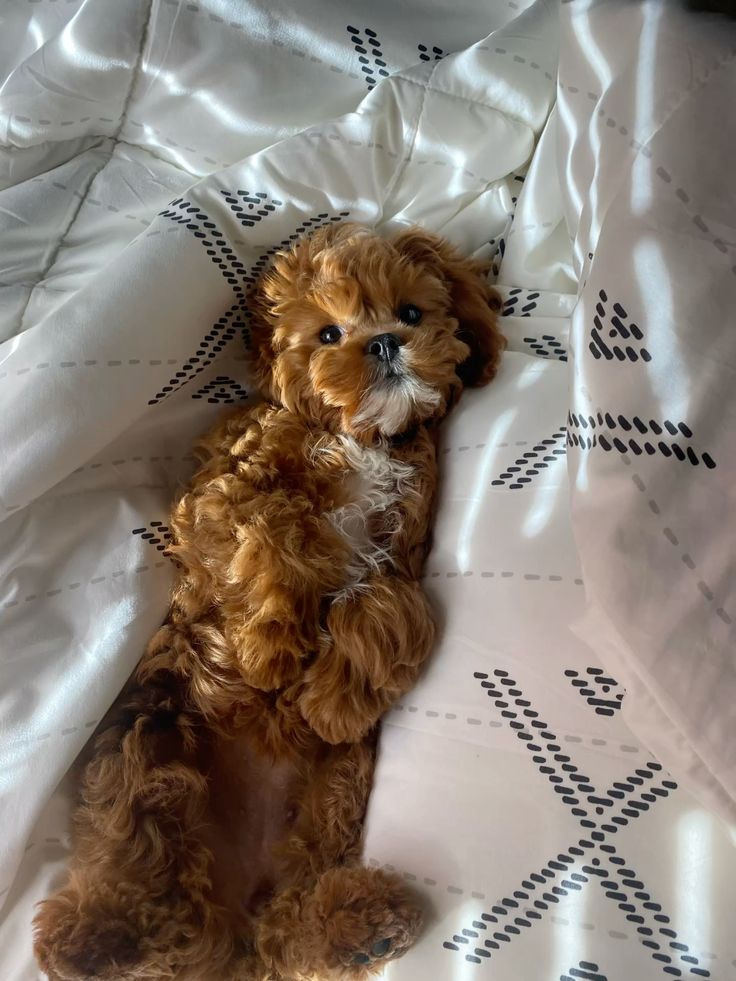
Cavapoos are a cross between Cavalier King Charles Spaniels and Poodles. Their coats can be wavy, curly, or relatively straight, and the amount of shedding varies between individual dogs.
Some Cavapoos may shed less noticeably than many other dogs, but a Cavapoo is not guaranteed to be non-shedding or hypoallergenic. Coat appearance alone cannot guarantee how much hair a puppy will lose as it matures.
Many Cavapoos need regular brushing and professional grooming to prevent tangles and mats. Owners should also consider grooming costs when budgeting for a puppy.
If you want to understand coat differences in more detail, explore our guides to Cavapoo Coat Types, Cavapoo Coat Care, and Cavapoo Grooming Needs.
People searching for Cavapoo Puppies For Sale Near Me can also browse our Available Cavapoo Puppies page and review the Cavapoo Breed Guide before deciding whether this breed fits their household.
If you’re researching Cavapoo Puppies For Sale In Tennessee, Cavapoo Puppies For Sale In Ohio, or Cavapoo Puppies For Sale In Florida, visit our location pages for additional information:
- Cavapoo Puppies For Sale In Tennessee
- Cavapoo Puppies For Sale In Ohio
- Cavapoo Puppies For Sale In Florida
How to Choose the Right Low-Shedding Puppy
Before choosing a low-shedding dog, consider the complete picture rather than focusing only on hair around the home.
Ask yourself:
- How much grooming can I manage? Some coats need frequent brushing and regular professional trimming.
- How active is the breed? A low-shedding dog may still have substantial exercise and enrichment needs.
- Will the temperament fit my household? Consider children, other pets, visitors, and your daily schedule.
- What health needs should I understand? Ask about breed-related concerns and any health testing claimed by the breeder.
- Can I afford lifelong care? Include food, veterinary visits, grooming, training, supplies, and emergency expenses.
- Are allergies a concern? No breed guarantees an allergy-free experience, so seek appropriate medical advice.
Choose a responsible breeder or consider adoption, ask detailed questions, and request documentation for health tests or veterinary care that are represented as completed. A good match depends on both the dog’s needs and your ability to meet them.
Frequently Asked Questions About Low-Shedding Dog Breeds
Which dog breeds shed the least?
Breeds such as the Miniature Schnauzer, Bichon Frise, Portuguese Water Dog, and Chinese Crested are often considered low-shedding. Individual dogs vary, and coat maintenance differs significantly between breeds.
Are low-shedding puppies easier to care for?
Not necessarily. Some low-shedding dogs need frequent brushing, coat trimming, and professional grooming. Low shedding can mean less loose hair around the home, but it does not automatically mean less work.
Are Cavapoos low-shedding dogs?
Some Cavapoos shed relatively little, but shedding varies with coat type and individual genetics. It is not possible to guarantee that a Cavapoo puppy will be non-shedding or hypoallergenic.
How often should a low-shedding dog be groomed?
It depends on the breed, coat length, and tendency to mat. Some dogs need brushing several times a week or daily, while professional grooming intervals vary. Ask a groomer for a schedule suited to your dog’s coat.
Can people with allergies live with low-shedding dogs?
Some people with dog allergies may tolerate particular dogs better than others, but low shedding does not eliminate allergens. Speak with a healthcare professional if allergies are a concern before bringing a dog home.
Do low-shedding dogs need less brushing?
Often, the opposite can be true. Hair that does not fall out readily may become trapped in a curly or dense coat, where it can form mats. Regular brushing and trimming help maintain coat comfort and condition.
Final Thoughts
Low-shedding breeds can be appealing to people who prefer less loose hair around the home, but every dog needs appropriate care, exercise, training, and veterinary attention. The Chinese Crested, Portuguese Water Dog, Irish Water Spaniel, Miniature Schnauzer, Bouvier des Flandres, Basenji, and Bichon Frise each offer different characteristics and responsibilities.
If you’re considering a Cavapoo, learn about coat variation and grooming before choosing a puppy. A thoughtful decision should account for temperament, health, allergies, lifestyle, and lifelong care—not just how much a dog sheds.
Continue Learning About Cavapoos
- Available Cavapoo Puppies
- Cavapoo Breed Guide
- Cavapoo Care Guide
- Cavapoo Buying Guide
- Cavapoo Puppies by State
- Cavapoo Coat Types
- Cavapoo Coat Care
- Cavapoo Grooming Needs
- Puppy Buying Checklist
- Questions to Ask Before Buying a Cavapoo Puppy
- Health Guarantee
- Shipping and Delivery
- Adoption Process
- Frequently Asked Questions
