
Cavapoo Care Guide
5 Long-Haired Dog Breeds to Love—and What Cavapoo Owners Should Know About Coat Care
Oct
There is something special about a dog with a beautiful, flowing, fluffy, or curly coat. Long-haired dogs can be striking to look at, and many owners enjoy the brushing and grooming routines that help keep their pets comfortable and looking their best (Long-Haired Dog Breeds).
However, a gorgeous coat also comes with responsibility. Some long-haired dogs need daily brushing, while others require frequent professional grooming, careful drying, or regular trimming to prevent tangles and mats. Before choosing a puppy for its appearance, it is important to understand the maintenance its coat will require throughout its life.
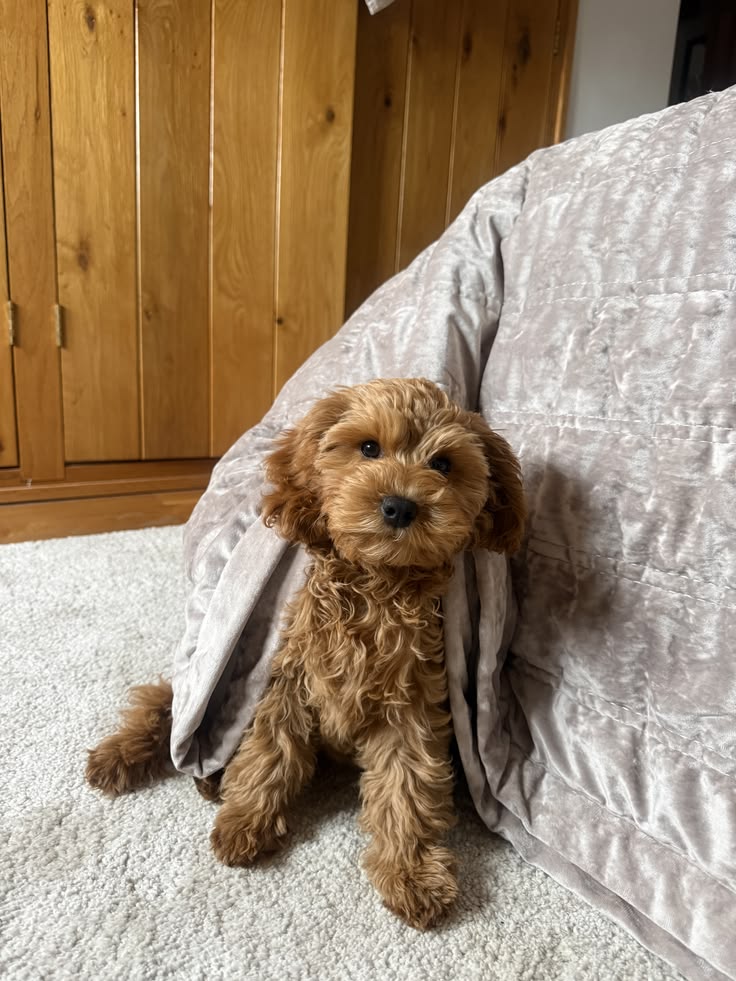
Cavapoos are another popular choice for people who love soft, fluffy dogs. Their coats can be wavy, curly, or relatively straight, depending on the characteristics they inherit from their Cavalier King Charles Spaniel and Poodle parents. Although their appearance varies, regular coat care is an important part of owning a Cavapoo.
Here are five long-haired breeds worth knowing, followed by practical advice for maintaining a healthy Cavapoo coat.
Long-Haired Dog Breeds
1. Havanese: A Small Companion with a Luxurious Coat
The Havanese originated in Cuba and is known for its affectionate personality and long, flowing coat. Its hair can grow quite long and may have a soft, wavy appearance. Havanese dogs come in a variety of colors, making each one distinctive.
Why people love Havanese dogs
Havanese dogs were developed primarily as companions. Many enjoy spending time with their families, learning new activities, and relaxing close to their favorite people. Their relatively small size can make them suitable for a range of homes when their exercise, social, and grooming needs are met.
Grooming considerations
A long Havanese coat can become tangled or matted without regular attention. Owners who keep the coat long should be prepared for frequent brushing and combing, with extra care around areas where friction causes tangles.
Some owners choose a shorter pet haircut to make maintenance easier. Even with a shorter style, regular brushing, bathing as needed, nail care, and professional grooming may still be necessary.
The Havanese is a good reminder that a beautiful coat is best enjoyed when the owner has a realistic plan for maintaining it.
2. Afghan Hound: Elegant Hair and a Distinctive Silhouette
The Afghan Hound is famous for its long, silky coat, narrow face, and elegant appearance. Originally developed as a hunting dog in mountainous regions, it combines a striking look with an athletic background.
Why people admire Afghan Hounds
Afghan Hounds have a distinctive appearance that stands out in almost any setting. Their long coat flows as they move, creating the graceful look for which the breed is known.
They can be independent dogs, so prospective owners should learn about their temperament and exercise requirements as well as their appearance.
Grooming considerations
The Afghan Hound’s coat can require a substantial amount of work. Regular brushing and combing help prevent tangles, and bathing and drying must be carried out carefully to maintain coat condition.
Owners should be prepared to spend time on grooming or budget for professional assistance. A long coat that becomes matted can be uncomfortable, so maintenance should be consistent rather than occasional.
Afghan Hounds may suit people who genuinely enjoy detailed grooming and can provide the exercise and training the breed needs.
3. Soft Coated Wheaten Terrier: A Silky, Wavy Coat
The Soft Coated Wheaten Terrier originated in Ireland and is recognized for its soft, wavy coat and lively personality. Its coat typically has a wheaten color, ranging from pale beige to a warmer golden shade.
Why people consider this breed
Wheaten Terriers are energetic, engaging dogs that often enjoy participating in family activities. They can be affectionate companions, but they are also terriers with their own exercise and training requirements.
They may suit owners who want an active dog and are prepared to provide both physical activity and regular coat care.
Grooming considerations
The Wheaten’s coat needs frequent brushing and combing to prevent mats. Its low-shedding characteristics do not mean it is maintenance-free; loose hair can remain caught in the coat, allowing tangles to develop.
Professional trimming may help keep the coat manageable. Owners should also check the ears, nails, and skin as part of their regular care routine.
For additional breed information, see the American Kennel Club’s Soft Coated Wheaten Terrier profile.
4. Yorkshire Terrier: A Small Dog with Long, Silky Hair
Yorkshire Terriers, often called Yorkies, are small dogs known for their long, silky coats. When the hair is kept long, it can reach the floor and requires careful attention to remain clean and free of tangles.
Why people love Yorkies
Yorkies are small, alert, and often confident. Despite their size, many have bold personalities and enjoy being involved in household activities.
Their compact stature can be appealing to people who want a small companion, but they still need training, exercise, socialization, and appropriate supervision.
Grooming considerations
Long Yorkie hair can tangle easily, especially around the ears, legs, and underside. Owners who maintain a long show-style coat need to commit to regular brushing and careful cleaning.
A shorter trim can make everyday maintenance easier. Either way, grooming should be gentle, and mats should be handled carefully to avoid pulling the skin.
Yorkies are a good example of why owners should choose a coat style that fits their daily schedule rather than selecting a look they cannot realistically maintain.
5. Komondor: The Distinctive Corded-Coat Guardian
The Komondor is a large Hungarian livestock guardian dog known for its striking corded coat. As the coat develops, the hair forms long, rope-like sections that give the breed its unmistakable appearance.
Why the Komondor stands out
Komondors were developed to guard livestock, not simply to serve as fluffy household companions. They are large, powerful dogs with instincts and management requirements that prospective owners should carefully research.
Their appearance may attract attention, but their working background and need for appropriate training and socialization are just as important as their coat.
Grooming considerations
A corded coat requires specialized maintenance. Owners need to understand how cords form, how to keep them separated appropriately, and how to prevent trapped moisture and debris from creating skin problems.
Drying can take considerable time because the coat is dense. Owners should seek guidance from an experienced groomer or knowledgeable breed specialist before attempting to manage a Komondor’s coat.
This breed is best suited to people who understand both its livestock-guardian role and its distinctive grooming needs.
What About Cavapoos? Understanding Their Coat Types
If you love fluffy, soft-coated dogs but want a companion breed, a Cavapoo may be worth considering. Cavapoos are a cross between a Cavalier King Charles Spaniel and a Toy or Miniature Poodle. Their coats vary because each puppy inherits a unique combination of traits from its parents.
Some Cavapoos have loose waves, others have tighter curls, and some have a straighter or more spaniel-like coat. Coat texture can change as a puppy matures, so its appearance at a young age may not perfectly predict its adult coat.
Wavy Cavapoo coats
A wavy coat often has a soft, fluffy appearance. It may be easier to brush than a tightly curled coat in some dogs, but tangles can still develop, particularly behind the ears, under the legs, around the collar, and where the coat rubs against the body.
Regular brushing and combing help prevent knots from becoming mats.
Curly Cavapoo coats
Curly coats may resemble the Poodle parent’s coat more closely. Loose hair can become caught within the curls, so regular brushing is especially important.
Owners should learn to brush through the coat rather than only smoothing its surface. A professional groomer can recommend suitable tools and a practical routine based on the individual dog’s coat.
Straighter Cavapoo coats
Some Cavapoos inherit a coat that is straighter or more similar to the Cavalier King Charles Spaniel’s coat. These dogs can still develop tangles and may shed differently from their curlier relatives.
Feathering around the ears, chest, legs, and tail may need extra attention. The right maintenance routine depends on coat length, density, and condition.
For a more detailed overview, visit our Cavapoo Coat Types guide.
How to Keep a Cavapoo’s Coat Healthy
A consistent grooming routine helps keep your dog’s coat comfortable and allows you to notice skin changes early. The exact schedule depends on coat texture, length, and how easily it tangles.
1. Brush regularly
Many Cavapoos benefit from brushing several times a week, and some coats need daily attention. Use a suitable brush and comb, working gently through small sections rather than pulling hard on knots.
Pay particular attention to areas behind the ears, under the legs, around the collar, and near the tail.
2. Schedule professional grooming
Many Cavapoos need professional grooming approximately every four to eight weeks, depending on coat growth, haircut, and maintenance at home. Your groomer can help establish an appropriate schedule.
If you prefer a longer style, expect to spend more time brushing between appointments. A shorter pet trim can reduce the amount of daily maintenance required, though it does not eliminate grooming.
3. Bathe and dry carefully
Use products formulated for dogs and follow appropriate bathing guidance. Rinse thoroughly, and make sure the coat is dried properly after bathing.
Damp, tangled hair can contribute to skin irritation and matting. Ask a professional groomer or veterinarian for advice if your dog has sensitive skin or recurring coat problems.
4. Check ears, eyes, nails, and skin
Grooming is also an opportunity to check for redness, unusual odors, debris, lumps, or signs of irritation. Keep the hair around the eyes managed so it does not obstruct vision or irritate the eyes.
If your Cavapoo develops persistent itching, bald patches, painful mats, or inflamed skin, consult a veterinarian instead of trying to solve the problem through grooming alone.
5. Choose a realistic coat length
Long coats can be beautiful, but the most suitable style is one you can maintain consistently. If your schedule is busy or you find brushing difficult, discuss a practical shorter cut with your groomer.
For additional guidance, read our Cavapoo Coat Care guide and Cavapoo Grooming Needs guide.
Do Long-Haired Dogs Shed Less?
Not necessarily. Coat length and shedding are different characteristics. Some long-haired dogs shed noticeably, while some curly-coated dogs shed less visibly because loose hair becomes trapped in the coat.
Cavapoos may inherit lower-shedding characteristics from their Poodle parent, but shedding varies from dog to dog. Loose hair can still accumulate in the coat and contribute to tangling if brushing is neglected.
It is also important to understand that no dog is guaranteed to be hypoallergenic. People with dog allergies may react to allergens associated with a dog’s skin, saliva, or other sources, not just visible hair. Spending time around a dog before making a commitment may help you understand your own response, although it cannot guarantee that symptoms will not occur later.
The PetMD Cavapoo breed and care guide provides additional information about coat variation and regular grooming.
Finding a Cavapoo That Fits Your Lifestyle
When choosing a puppy, consider more than coat color or curl pattern. Think about temperament, expected adult size, exercise, training, veterinary care, and the grooming routine you can realistically maintain.
Ask the seller what is known about the puppy’s parents and coat, but remember that a crossbreed’s adult coat cannot be predicted with complete certainty. Request available veterinary records and clear information about the puppy’s care and transition to its new home.
People searching for Cavapoo Puppies For Sale Near Me can begin by reviewing available puppies and learning about the breed’s care needs before deciding.
If you are researching Cavapoo Puppies For Sale In Tennessee, Cavapoo Puppies For Sale In Ohio, or Cavapoo Puppies For Sale In Florida, take time to consider the ongoing grooming and care commitment alongside the puppy’s availability.
Our Cavapoo Buying Guide and Cavapoo Adoption Process can help you prepare for the responsibilities of bringing a puppy home.
Frequently Asked Questions
Do Cavapoos have long hair?
Cavapoo coat length and texture vary. Some develop longer, wavy coats, while others have curlier or straighter hair. Regular grooming is important regardless of the exact coat type.
Are Cavapoos hypoallergenic?
No dog is guaranteed to be hypoallergenic. Some Cavapoos may shed less than other dogs, but individuals with allergies can still react to them.
How often should I brush a Cavapoo?
Many Cavapoos need brushing several times a week, and some require daily brushing to prevent mats. Your dog’s coat type and length will determine the most suitable routine.
How often should a Cavapoo visit a groomer?
Many benefit from professional grooming every four to eight weeks, although the appropriate interval depends on coat growth, haircut, and home maintenance.
Are long-haired dogs harder to care for?
Some require more frequent brushing, bathing, drying, or professional grooming than short-coated dogs. However, care requirements vary by breed and coat type.
Can I keep my Cavapoo’s coat short?
Yes. Many owners choose a shorter pet trim to make maintenance easier. Discuss the best style with a groomer who understands your dog’s coat.
Does a curly coat mean a Cavapoo will not shed?
No. Coat texture does not guarantee a particular shedding level. Cavapoos vary in the traits they inherit from their parents.
What happens if a dog’s coat becomes matted?
Mats can pull on the skin, trap moisture and debris, and cause discomfort. Severe mats may need professional removal. Do not cut close to the skin with household scissors; consult a professional groomer or veterinarian.
Final Thoughts
Long-haired dogs can be beautiful companions, but their coats need consistent care. Havanese, Afghan Hounds, Soft Coated Wheaten Terriers, Yorkshire Terriers, and Komondors each have distinctive appearances and different grooming and lifestyle requirements.
Cavapoos offer another option for people who love soft, fluffy, or curly-coated companions. Their coats vary, and regular brushing, appropriate trimming, and professional grooming can help keep them comfortable.
Before choosing any puppy, make sure its grooming needs fit your time, budget, and lifestyle. A healthy coat is not simply about appearance—it is part of responsible, lifelong care.
Continue Learning About Cavapoos
- Available Cavapoo Puppies
- Cavapoo Breed Guide
- Cavapoo Care Guide
- Cavapoo Buying Guide
- Cavapoo Puppies by State
- How to Train a Cavapoo Puppy
- Puppy Buying Checklist
- Questions to Ask Before Buying a Cavapoo Puppy
- Health Guarantee
- Shipping & Delivery
- Adoption Process
- Frequently Asked Questions
