
Cavapoo Care Guide, Cavapoo Health & Wellness
Year-Round Flea & Heartworm Prevention for Dogs: Cavapoo Guide

Sep
One of the most important parts of caring for a Cavapoo is preventing parasites before they become a health problem.
Fleas, ticks, heartworms, and other parasites are not simply annoying pests. Depending on the parasite, they can cause skin problems, allergic reactions, transmit infections, or contribute to serious disease.
A common question among dog owners is whether year-round flea and heartworm prevention is really necessary throughout the entire year.
For heartworm prevention, current veterinary parasite guidelines recommend year-round protection for dogs. The Companion Animal Parasite Council recommends maintaining dogs on heartworm preventives year-round and annual heartworm testing, while the American Heartworm Society also recommends year-round prevention. CAPC’s current canine guidelines specifically recommend annual testing and year-round heartworm prevention.
Flea prevention is also commonly recommended year-round. The CDC notes that fleas prefer warmer and more humid conditions but can survive year-round when an animal host is available. It recommends treating pets for fleas year-round and following veterinary guidance on appropriate products.
That does not mean every dog should receive the exact same medication.
Your veterinarian should choose the appropriate preventive based on your Cavapoo’s age, weight, health, lifestyle, geographic exposure, travel, and other individual factors.
Year-Round Flea And Heartworm Prevention: Why Parasite Prevention Matters for Cavapoos
Cavapoos are companion dogs, but they still encounter the same parasites as other dogs.
A Cavapoo can encounter fleas in the yard, on other animals, in boarding or daycare environments, during travel, or even inside the home.
Heartworm disease is different because it is transmitted by mosquitoes. A mosquito can acquire heartworm larvae from an infected animal and transmit the parasite when it feeds on another dog.
This means a dog does not need to live outdoors to be exposed.
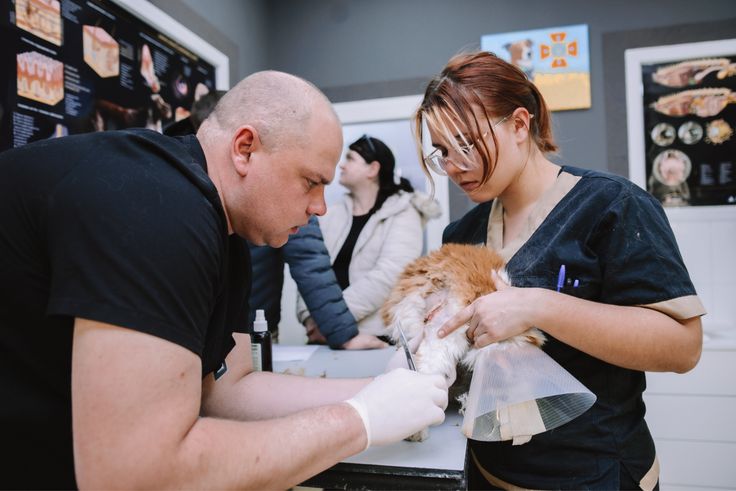
Even dogs that spend most of their time inside can encounter mosquitoes and other parasites.
Cavapoo parasite prevention should therefore be considered part of routine preventive healthcare rather than something you use only after seeing a pest.
This broader approach to dog parasite prevention can include heartworm protection, flea and tick prevention, appropriate intestinal parasite control, testing, and routine veterinary examinations.
What Is Heartworm Disease?
Heartworm disease is caused by the parasite Dirofilaria immitis.
Mosquitoes transmit the parasite between infected and susceptible animals.
Once a dog becomes infected, immature heartworms develop and eventually mature into adult worms that can affect the pulmonary arteries and heart.
Heartworm disease in dogs can cause serious and potentially life-threatening damage.
The American Heartworm Society notes that heartworm disease has been diagnosed in dogs in all 50 U.S. states, although risk varies considerably by location.
This is one reason geographic assumptions can be misleading.
Living in a colder state does not automatically mean a dog has zero heartworm risk.
For this reason, Cavapoo heartworm prevention should be discussed with your veterinarian even if your dog spends most of its time indoors.
Can a Dog Get Heartworms in Winter?
Yes, which is one reason heartworm prevention year-round is recommended.
The heartworm lifecycle depends on mosquitoes, and mosquito activity varies with climate and location. Some mosquitoes can survive in conditions that allow exposure outside the traditional summer season, and indoor environments can also provide opportunities for mosquitoes.
The American Heartworm Society recommends year-round prevention rather than relying on a seasonal schedule. CAPC likewise recommends keeping dogs on heartworm preventives throughout the year.
Your veterinarian may also consider your dog’s travel history.
A Cavapoo that lives in a relatively cool region but regularly travels to areas with substantial mosquito activity can have a different exposure profile from a dog that rarely travels.
Why Heartworm Prevention Is Better Than Waiting for Symptoms
One of the difficult things about heartworm disease is that dogs may not show obvious signs during the early stages.
As disease progresses, heartworm symptoms in dogs can include coughing, reduced exercise tolerance, breathing difficulties, weakness, or other problems associated with cardiopulmonary disease.
By the time obvious symptoms appear, significant damage may already have occurred.
Prevention is therefore much more straightforward than treating established heartworm disease.
The American Heartworm Society notes that treatment of established infection can involve substantial veterinary care and that heartworm disease can cause lasting damage.
Does Heartworm Prevention Need to Be Given Every Month?
Many heartworm preventives are administered monthly, but not every approved preventive follows the same schedule.
There are oral, topical, and injectable options, including products designed for different dosing intervals.
Some products also protect against additional parasites.
Because products differ in minimum age, weight, active ingredients, dosing interval, and parasite coverage, do not assume that every Cavapoo should receive the same product or schedule.
Your veterinarian should recommend the appropriate product and dosing schedule for your dog.
The American Heartworm Society specifically advises owners to use FDA-approved preventives and work with their veterinarian to select the appropriate option.
When people search for dog heartworm medicine, it is important to remember that the appropriate product depends on the individual dog rather than simply choosing the most familiar brand.
What Happens If You Miss a Heartworm Dose?
If you miss or delay a scheduled heartworm preventive dose, do not simply guess about what to do next.
Contact your veterinarian or follow the specific product instructions.
The appropriate response can depend on the medication, how late the dose is, your dog’s age, previous prevention history, and whether testing is needed.
Do not double a dose unless specifically instructed.
Keeping a recurring reminder on your phone or calendar can make it much easier to stay on schedule.
Does My Dog Need Heartworm Testing If They Are on Prevention?
Yes, regular testing remains important.
CAPC recommends annual heartworm testing for dogs for antigen and microfilariae and year-round preventive protection.
This means heartworm testing remains an important part of routine dog preventive care, even when your Cavapoo receives preventive medication.
Testing helps identify infections and gives your veterinarian an opportunity to review the preventive plan.
A preventive is extremely important, but no preventive strategy should be treated as an absolute guarantee that infection can never occur.
What Are Fleas?
Fleas are small external parasites that feed on animals.
They can cause itching and irritation, and some dogs develop flea allergy dermatitis, an allergic reaction to flea saliva.
Heavy infestations can also cause more serious problems.
Fleas are particularly frustrating because the problem does not necessarily remain on the dog.
Eggs and immature flea stages can develop in the environment, including areas where pets spend time.
That means treating only the visible adult fleas on the dog may not be enough to eliminate an established infestation.
Regular flea prevention for dogs can help reduce the likelihood of an infestation developing in the first place.
Can Fleas Survive During Winter?
Yes.
Flea activity often increases during warmer, more humid conditions, but fleas can survive year-round when they have access to a suitable host and environment.
The CDC specifically recommends treating pets for fleas year-round because fleas can survive throughout the year when an animal is available to feed on.
So the first cold week of winter does not necessarily mean flea prevention year-round can safely be replaced with a seasonal approach.
For many households, Cavapoo flea prevention is therefore best treated as a routine part of the dog’s preventive-care schedule.
Why Fleas Can Become a Household Problem
A flea infestation can develop before an owner realizes there is a problem.
You may notice your Cavapoo scratching more frequently, chewing at their skin, or developing irritated areas.
But the absence of visible fleas does not necessarily mean there are no fleas.
Flea eggs and immature stages can be present in the environment.
CAPC notes that established flea infestations can take time to control and that all pets in a household generally need appropriate treatment when an infestation occurs.
If you find fleas, speak with your veterinarian about treating the affected pets and ask whether environmental control is also necessary.
This is an important part of preventing fleas in the home. The CDC recommends regular cleaning and vacuuming of areas where pets spend time and frequent washing of pet bedding.
Can Fleas Cause Allergies?
Yes.
Some dogs develop flea allergy dermatitis, an allergic reaction to proteins in flea saliva.
In a sensitive dog, even a relatively small number of flea bites can trigger significant itching.
You may notice:
- intense scratching
- chewing at the skin
- licking
- hair loss
- irritated skin
- scabs
- redness
However, these signs can also occur with other skin conditions.
Do not assume every itchy Cavapoo has fleas or allergies.
A veterinarian can help determine the underlying cause.
Fleas Can Affect More Than the Skin
Fleas are more than an irritation.
They can contribute to allergic skin disease and can transmit infectious agents.
The FDA and CDC provide additional information about flea-control products, flea exposure, and associated risks.
Preventing an infestation is therefore preferable to waiting until your dog is scratching constantly.
What About Ticks?
Although the original question focuses on fleas and heartworms, ticks are another important part of parasite prevention.
Ticks on dogs can transmit several diseases, including Lyme disease, ehrlichiosis, anaplasmosis, and other infections.
Your dog’s tick exposure depends on geography, outdoor activity, travel, vegetation, wildlife exposure, and other factors.
If your Cavapoo spends time hiking, camping, walking through wooded areas, or traveling, discuss appropriate tick prevention with your veterinarian.
For many dogs, flea and tick prevention should be considered alongside heartworm prevention as part of an overall parasite-control plan.
Should Flea, Tick, and Heartworm Prevention Be the Same Product?
Not necessarily.
Some products are designed to prevent or control multiple parasites, while others target specific parasites.
The correct choice depends on which parasites your dog needs protection against.
Your veterinarian can consider your Cavapoo’s lifestyle and select a product that provides appropriate coverage without unnecessary medication.
Never combine parasite-control products without checking with your veterinarian.
Some approved products cover multiple parasites, but coverage varies by product and label.
Choosing a Parasite Preventive for Your Cavapoo
Several factors can influence the right preventive.
Age
Puppies may have different minimum age and weight requirements for particular medications.
Never assume that a product suitable for an adult dog is appropriate for a young puppy.
This is particularly important when establishing a puppy heartworm prevention or puppy flea prevention plan.
Weight
Many parasite preventives are dosed according to weight.
Keeping your Cavapoo’s weight current helps ensure the correct dose.
Health History
Your veterinarian should know about existing medical conditions, previous medication reactions, and other medications your dog receives.
Lifestyle
Does your Cavapoo:
Spend time outdoors?
Go hiking?
Visit dog parks?
Attend daycare?
Swim?
Travel frequently?
Live with other pets?
These factors can influence parasite exposure.
Geography
Parasite prevalence differs between regions.
Travel can also change your dog’s exposure.
A parasite-prevention plan should therefore reflect where your dog actually lives and spends time.
Are Flea and Tick Medications Safe?
Many approved flea and tick products are safe and effective when used correctly, but no medication is appropriate for every dog.
The FDA considers isoxazoline products safe and effective for most dogs and cats but reports that neurologic adverse events, including tremors, ataxia, and seizures, have occurred in some animals. The FDA recommends discussing a pet’s medical history with a veterinarian when selecting an appropriate product.
This does not mean owners should automatically avoid these medications.
Instead, it reinforces why product selection should involve your veterinarian, particularly if your dog has a history of seizures or other relevant medical concerns.
Always follow the product label and veterinary instructions.
What About “Natural” Heartworm Prevention?
Be cautious with claims that an unapproved natural product can replace proven heartworm prevention.
The American Heartworm Society states that there are no “natural” products that can be used as substitutes for heartworm prevention or treatment.
Mosquito avoidance can reduce exposure, but it should not be treated as a replacement for veterinary-recommended heartworm prevention.
Simple environmental measures can still help, such as reducing standing water around your property and limiting mosquito exposure when practical.
These measures can be part of mosquito prevention for dogs, but they should not replace an approved heartworm-prevention plan.
What If My Cavapoo Mostly Stays Indoors?
Indoor living reduces some exposures but does not eliminate parasite risk.
Mosquitoes can enter homes.
Fleas can enter through people, other animals, wildlife, or previously infested environments.
Ticks can also be carried indoors.
Your veterinarian can help determine the appropriate preventive plan based on your actual household and geographic circumstances.
Good dog parasite prevention is therefore relevant to indoor dogs as well as dogs that spend considerable time outdoors.
What If My Cavapoo Travels?
Travel can change parasite exposure considerably.
A dog traveling from one region to another may encounter different mosquito, flea, and tick populations.
This is particularly important when traveling to areas with substantial heartworm prevalence.
Before a long trip, ask your veterinarian whether your current parasite-prevention program is appropriate for your destination.
Keep your dog’s preventive schedule consistent while traveling unless your veterinarian gives you different instructions.
Choosing a Healthy Cavapoo Puppy
Parasite prevention begins early in a puppy’s life.
If you are researching Cavapoo Puppies For-Sale Near Me, ask what veterinary care and parasite-prevention program the puppy has already received.
Ask for records rather than relying solely on verbal assurances.
Families researching Cavapoo Puppies For Sale In Tennessee should also discuss what preventive care will continue after the puppy goes home and which products the puppy has already received.
If you are researching Cavapoo Puppies For-Sale In Ohio, ask about age-appropriate deworming, veterinary examinations, heartworm prevention, and the puppy’s current weight.
Families looking at Cavapoo Puppies For-Sale In Florida should pay particular attention to parasite prevention because Florida’s climate can provide substantial mosquito and flea exposure.
These questions are an important part of evaluating Cavapoo puppy health and preparing for ongoing Cavapoo health care.
Most importantly, do not expect a responsible breeder or seller to promise that a puppy can never develop a parasite problem.
Good preventive care reduces risk; it does not create an absolute guarantee.
What Should You Ask Before Bringing Home a Cavapoo?
Before bringing home a puppy, ask:
What veterinary examinations has the puppy received?
What parasite prevention has been given?
What deworming has been performed?
What is the puppy’s current weight?
What medication or preventive product was used?
When is the next dose due?
Has the puppy received heartworm prevention?
What vaccinations have been given?
Are veterinary records available?
What food is the puppy eating?
When should the puppy have their next veterinary examination?
These questions help you continue the puppy’s care without accidentally missing an important preventive step.
They also help make the transition into your household smoother and support responsible dog preventive care from the beginning.
Puppy Parasite Prevention Is Different From Adult Dog Prevention
Young puppies have different needs from adult dogs.
Some parasite medications have minimum age and weight requirements.
Puppies may also require specific deworming schedules before transitioning to broader ongoing parasite prevention.
CAPC provides age-appropriate parasite-control recommendations for puppies and emphasizes ongoing parasite control as dogs mature.
Never give a puppy an adult medication simply because it worked for another dog.
Always confirm the appropriate product, dose, and timing with your veterinarian.
A personalized puppy heartworm prevention and puppy flea prevention plan is especially important during the first months of life.
How to Remember Your Dog’s Preventive Medication
Even the best preventive plan will not work properly if doses are repeatedly forgotten.
Make prevention part of your household routine.
You can:
Set a recurring phone reminder.
Mark doses on a calendar.
Keep the medication in an appropriate location.
Use the reminder system provided by your veterinary practice if available.
Record the date each dose is given.
Schedule the next veterinary visit before leaving the current appointment.
If multiple family members care for your Cavapoo, make sure everyone knows who is responsible for administering the medication.
This simple system can make dog parasite control easier to maintain throughout the year.
What If You Find a Flea on Your Cavapoo?
Do not panic.
Finding one flea does not necessarily mean your home has a major infestation, but it is worth taking seriously.
Check your dog carefully.
Contact your veterinarian about an appropriate flea-control product.
Check other pets in the household.
Wash or clean bedding and frequently used areas as appropriate.
Vacuum areas where your dog spends time.
Ask your veterinarian whether additional environmental treatment is necessary.
Flea control may take time because immature flea stages can remain in the environment.
The CDC notes that established infestations can be difficult to eliminate because different flea life stages respond differently to treatment. Sanitation, pet treatment, environmental treatment, and follow-up may all be needed.
What If You Find a Tick?
Remove a tick promptly and safely using an appropriate tick-removal technique.
If you are unsure how to remove it, ask your veterinarian for guidance.
After removing a tick, monitor your dog for illness and discuss any concerns with your veterinarian.
Preventive medication can reduce the risk of tick infestation, but no product should be treated as a guarantee that a tick will never attach.
Signs Your Cavapoo May Need Veterinary Attention
Contact your veterinarian if your Cavapoo develops symptoms that could indicate parasite-related illness, such as:
Persistent coughing
Reduced exercise tolerance
Unusual tiredness
Difficulty breathing
Severe or persistent itching
Hair loss
Skin inflammation
Pale gums
Weakness
Unexplained weight loss
Persistent diarrhea
Vomiting
A large number of fleas
A significant tick infestation
Behavior changes
These signs have many possible causes, so do not attempt to diagnose a parasite infection based on symptoms alone.
In particular, possible heartworm symptoms in dogs require veterinary evaluation rather than waiting to see whether the problem resolves on its own.
Heartworm Prevention and Testing: A Simple Routine
For many Cavapoo owners, parasite prevention can become straightforward when it is built into regular veterinary care.
A typical preventive-care routine might include:
Regular veterinary examinations.
Year-round heartworm prevention.
Recommended heartworm testing.
Year-round flea control.
Tick prevention when indicated.
Age-appropriate parasite control for puppies.
Regular weight checks.
Reviewing the preventive plan whenever your dog’s lifestyle changes.
Traveling with your Cavapoo.
Discussing any missed doses or adverse reactions promptly.
This approach makes heartworm prevention for dogs, flea prevention for dogs, and broader dog preventive care part of one consistent routine.
Your veterinarian can adapt this routine to your dog’s specific needs.
Common Parasite Prevention Mistakes
Stopping Prevention When It Gets Cold
Cold weather does not automatically eliminate all flea or heartworm exposure.
Current guidelines support year-round heartworm prevention and year-round flea control.
Waiting Until You See Fleas
Visible fleas mean exposure has already occurred.
Prevention is preferable to waiting for an infestation.
Assuming Indoor Dogs Cannot Get Parasites
Indoor living reduces some risks but does not eliminate mosquitoes, fleas, or ticks.
Sharing Medication Between Dogs
Different dogs have different weights, ages, health histories, and medication requirements.
Never share preventives between pets without veterinary guidance.
Using Too Many Products
Combining products without checking compatibility can create unnecessary risk.
Ask your veterinarian before adding another parasite medication.
Forgetting Heartworm Testing
Preventive care and regular testing work together.
CAPC currently recommends annual testing of dogs for heartworm antigen and microfilariae.
Using Unapproved “Natural” Alternatives
Do not substitute unproven products for veterinarian-recommended heartworm prevention.
Ignoring Travel
Travel can change parasite exposure.
Tell your veterinarian where your Cavapoo will be traveling.
Frequently Asked Questions
Does my Cavapoo need heartworm prevention all year?
Current CAPC guidance recommends year-round heartworm prevention for dogs, along with annual testing.
Does my Cavapoo need flea prevention all year?
Year-round flea control is widely recommended because fleas can survive in suitable environments even when outdoor temperatures become cold. The CDC recommends treating pets for fleas year-round.
Can my dog get heartworms in winter?
Yes. Heartworm risk varies geographically and with mosquito activity, but winter does not justify assuming that all risk has disappeared.
Can an indoor Cavapoo get heartworms?
Yes. Mosquitoes can enter homes, so indoor living does not eliminate heartworm exposure.
Can indoor dogs get fleas?
Yes. Fleas can enter homes and survive in suitable indoor environments.
How often should I give heartworm medicine?
That depends on the specific FDA-approved product. Many products are monthly, while others have different dosing intervals. Follow your veterinarian’s recommendation and product label.
Does my dog still need heartworm testing if I never miss a dose?
Yes. CAPC recommends annual testing even for dogs receiving preventive medication.
What happens if I miss a heartworm dose?
Contact your veterinarian or follow the product’s missed-dose instructions. Do not automatically double the next dose.
Can fleas live inside my house during winter?
Yes. Indoor conditions can allow fleas to survive even when outdoor temperatures are cold.
Can fleas make my Cavapoo itchy?
Yes, especially if your dog develops flea allergy dermatitis. However, itching can have many other causes.
Can fleas cause anemia?
Heavy flea infestations can contribute to anemia, particularly in vulnerable animals.
Does heartworm prevention also prevent fleas?
Some products protect against multiple parasites, while others do not. Check the specific product and ask your veterinarian.
Does flea prevention protect against ticks?
Some products protect against both fleas and ticks, while others do not. Check the product label.
Are flea and tick medications safe for Cavapoos?
Many approved products are safe and effective when used appropriately, but the right product depends on the individual dog. Some isoxazoline products have been associated with neurologic adverse reactions in some animals, so discuss the choice with your veterinarian.
Can I use a flea product meant for another dog?
Do not assume that another dog’s product is appropriate for your Cavapoo. Age, weight, species, health, and active ingredients matter.
Can puppies receive parasite prevention?
Yes, but products have different minimum ages and weights. Your veterinarian should select an age-appropriate product.
Do I need flea prevention if I never see fleas?
Prevention is designed to reduce the chance of an infestation before you see a problem.
Should I stop flea prevention during winter?
Do not stop automatically. Discuss your dog’s preventive plan with your veterinarian.
Should I stop heartworm prevention during winter?
Current CAPC guidance recommends year-round heartworm prevention for dogs.
Can my Cavapoo get parasites while traveling?
Yes. Travel can expose dogs to different flea, tick, and mosquito populations.
What should I do if my Cavapoo has a reaction to a parasite medication?
Contact your veterinarian promptly. The FDA also encourages reporting adverse events associated with approved flea and tick products.
Are natural heartworm preventives effective?
Do not substitute unproven natural products for FDA-approved heartworm preventives recommended by your veterinarian.
What is the best flea and heartworm preventive for a Cavapoo?
There is no single product that is best for every Cavapoo. Your veterinarian should consider your dog’s age, weight, health, lifestyle, geography, travel, and parasite exposure.
What is the difference between flea prevention and flea treatment?
Prevention aims to reduce the chance of an infestation developing, while treatment addresses an existing infestation. Established flea infestations may require treatment of pets and the environment, followed by continued monitoring and follow-up.
Is mosquito prevention enough to prevent heartworms?
Mosquito avoidance can reduce exposure, but it should not be treated as a substitute for veterinarian-recommended heartworm prevention.
What is the best dog parasite prevention plan?
The appropriate dog parasite prevention plan depends on your dog’s age, weight, health, location, lifestyle, travel, and exposure to fleas, ticks, mosquitoes, and other parasites. Your veterinarian can help determine the appropriate combination of prevention and testing.
Final Thoughts
Flea and heartworm prevention should be viewed as part of your Cavapoo’s routine healthcare rather than a seasonal chore.
Current parasite-control guidance recommends year-round heartworm prevention for dogs, along with regular testing. Year-round flea control is also recommended because fleas can survive in suitable environments even when outdoor temperatures become cold.
The exact medication, dose, and schedule should be individualized with your veterinarian.
Keep your Cavapoo’s weight current, follow the product instructions, do not combine medications without veterinary guidance, and ask about parasite prevention whenever your dog’s lifestyle or travel plans change.
If you are bringing home a Cavapoo puppy, start by obtaining the puppy’s veterinary and parasite-prevention records and make an appointment with your veterinarian so the preventive plan can continue without unnecessary gaps.
Preventing parasites is much easier than dealing with a serious infestation or parasite-associated disease after it develops.
A simple year-round routine can therefore become one of the most valuable parts of your Cavapoo’s lifelong health plan.
Good Cavapoo health depends on many things, and parasite prevention is one important part of comprehensive Cavapoo puppy health and adult dog care.
Continue Learning About Cavapoos
Once you have a parasite-prevention plan in place, continue learning about the other areas of responsible Cavapoo care.
Explore our guides on Available Cavapoo Puppies, the Cavapoo Breed Guide, Cavapoo Care Guide, Cavapoo Buying Guide, Cavapoo Puppies by State, Puppy Buying Checklist, Questions to Ask Before Buying a Cavapoo Puppy, Health Guarantee, Shipping & Delivery, Adoption Process, and Frequently Asked Questions.
