
Cavapoo Care Guide, Cavapoo Health & Wellness
Cavapoo Dental Care: How to Keep Your Dog’s Teeth Healthy
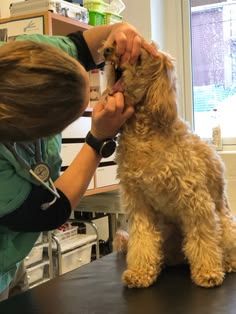
Sep
Is your Cavapoo’s breath starting to smell unpleasant?
Are you wondering whether brushing your puppy’s teeth is really necessary?
Dental care is an important part of responsible Cavapoo ownership. Just like people, dogs can develop plaque and tartar on their teeth. Without appropriate dental care, plaque can contribute to inflammation of the gums and periodontal disease.
The good news is that you do not have to wait until your Cavapoo has obvious dental problems before starting a routine.
Regular brushing, appropriate dental products, professional veterinary examinations, and attention to changes in your dog’s mouth can all form part of a good Cavapoo dental care routine.
This is especially important during puppyhood because your Cavapoo is learning what normal handling feels like. Teaching a puppy that having its mouth gently examined is safe can make future dental care much easier.
The American Veterinary Dental College recommends early, regular home dental care, including daily brushing when possible, alongside veterinary examinations and professional dental treatment when indicated.
Why Cavapoo Dental Health Matters
Your dog’s teeth are used every day for eating, playing, carrying toys, and exploring.
The mouth also contains bacteria, and plaque can build up on teeth when it is not removed.
Plaque is a soft film that develops on the teeth. If it remains there, it can mineralize into tartar, which is much harder to remove with ordinary brushing.
As dental disease progresses, the gums can become inflamed and painful. Advanced periodontal disease in dogs can affect the tissues supporting the teeth and may eventually result in tooth loss.
Your Cavapoo may not always make it obvious that its mouth hurts.
Dogs can continue eating despite significant dental discomfort, which means owners should not rely on appetite alone to determine whether their dog’s teeth are healthy.
Good Cavapoo dental health is therefore about more than fresh breath. It is about helping your dog remain comfortable and able to eat normally.
The AVDC explains that periodontal disease can develop beneath the gumline where owners cannot easily see it.
Signs Your Cavapoo May Have a Dental Problem
Bad breath is one of the signs owners commonly notice, but it is not the only one.
Watch for changes such as:
- Persistent Cavapoo bad breath
- Visible Cavapoo tartar
- Red or swollen gums
- Bleeding from the gums or mouth
- Loose or broken teeth
- Discolored teeth
- Difficulty chewing
- Dropping food while eating
- Chewing on one side of the mouth
- Excessive drooling
- Pawing at the mouth
- Reduced appetite
- Reluctance to eat hard food
- Facial swelling
- Sensitivity when the mouth is touched
A change in your Cavapoo’s normal eating or chewing behavior deserves attention.
If your dog appears painful, has facial swelling, has bleeding that concerns you, or suddenly refuses food, contact your veterinarian.
Persistent bad breath should not automatically be considered normal dog breath. It can be associated with oral disease, including periodontal disease.
Do Cavapoos Need Their Teeth Brushed?
Yes. Regular brushing is one of the most effective ways to help control plaque at home.
The Veterinary Oral Health Council and veterinary dental organizations recognize tooth brushing as an important part of home dental care.
Ideally, brushing should become a routine rather than something you attempt only when you notice bad breath.
Daily brushing is particularly useful because plaque continually develops on the teeth.
Even if you cannot brush perfectly at first, gradually teaching your Cavapoo to accept the process is worthwhile.
The goal is not to force a toothbrush into your puppy’s mouth on the first attempt.
The goal is to create a positive habit.
The AVDC identifies daily brushing as the gold standard for helping prevent plaque and slow the progression of periodontal disease.
For additional guidance, see the AKC guide to brushing your dog’s teeth.
Start Dental Care When Your Cavapoo Is Young
Puppyhood is an excellent time to introduce gentle mouth handling.
You can begin by briefly touching your puppy’s lips.
Reward calm behavior.
Gradually lift the lip for a moment.
Reward again.
Then touch the teeth gently with your finger.
Once your puppy is comfortable with this, introduce a pet toothbrush and veterinary-approved toothpaste.
Keep the sessions short.
Your puppy does not need to sit through a long dental procedure during the first training session.
A few seconds of successful cooperation is better than forcing the experience until your puppy becomes frightened.
This gradual approach is an important part of puppy dental care. It teaches your puppy that mouth handling is normal rather than something frightening.
Never Use Human Toothpaste
One of the most important rules of Cavapoo dental care is simple:
Do not use human toothpaste for your dog.
Human toothpaste is formulated for people, not dogs, and some products contain ingredients that can be dangerous if swallowed.
Xylitol is particularly dangerous to dogs and can cause potentially life-threatening poisoning.
Dogs also do not reliably spit toothpaste out the way people do.
Choose dog toothpaste specifically formulated for dogs and follow veterinary guidance when selecting dental products.
The FDA specifically warns that xylitol can be poisonous to dogs and notes that xylitol may be found in some human toothpaste and other dental products. The FDA also advises using pet toothpaste rather than human toothpaste.
FDA: Paws Off Xylitol — It’s Dangerous for Dogs
Choosing a Toothbrush for Your Cavapoo
You do not need an expensive toothbrush to begin.
A dog-specific toothbrush with an appropriately sized head can work well.
Some owners also use finger brushes, although your veterinarian can help you choose the most appropriate option for your dog.
The most important factors are:
- Appropriate size
- Soft or suitable bristles
- Comfortable handling
- Your dog’s willingness to accept it
- Safe use according to the product instructions
For a small Cavapoo, an oversized toothbrush can make the experience unnecessarily awkward.
Choose equipment that allows you to reach the teeth gently without forcing your dog’s mouth open.
If you are beginning dog teeth brushing, remember that the best toothbrush is one that allows you to brush safely and consistently.
How to Introduce Toothpaste
Do not immediately begin scrubbing your puppy’s teeth.
Start by allowing your Cavapoo to taste a small amount of dog-specific toothpaste.
Let your puppy investigate it.
Reward calm behavior.
Repeat this over several sessions.
Once your puppy recognizes the toothpaste as something positive, introduce the toothbrush.
This gradual approach can make dental care much easier.
The AKC similarly recommends introducing the toothpaste gradually and allowing the dog to become comfortable with the taste before beginning full brushing.
How to Brush Your Cavapoo’s Teeth
Once your Cavapoo is comfortable with the toothbrush, begin gently.
Lift the lip rather than forcing the mouth wide open.
Place the toothbrush against the outside surfaces of the teeth.
Use gentle, controlled movements.
Pay particular attention to the areas where plaque tends to accumulate.
The back teeth deserve attention because they can be difficult to reach.
The canine teeth should also be included in your routine.
You do not need to aggressively scrub.
Gentle and consistent brushing is more useful than occasionally brushing too hard.
If your puppy becomes frightened, stop and return to an easier step during the next session.
If you are wondering how to brush a Cavapoo’s teeth, the basic principle is simple: introduce each step gradually, use gentle movements, and reward calm cooperation.
The same principles apply to general dog dental care. The AKC recommends starting with mouth handling, then introducing the toothbrush and toothpaste before gradually brushing the front, side, and back teeth.
Do You Need to Brush the Inside of the Teeth?
The outer surfaces of the teeth, particularly the surfaces facing the cheeks, are an important target for home brushing.
Dogs’ saliva and tongue naturally provide some cleaning action on other surfaces.
Your veterinarian can show you the best technique for your individual Cavapoo.
Do not force your puppy’s mouth open simply because you are trying to reach a difficult area.
A safe, positive routine is more important than achieving perfect brushing during the first few weeks.
As your dog becomes comfortable, you can gradually improve your coverage. The AKC notes that the inside surfaces can be added once a dog is comfortable with brushing the outside surfaces.
Make Dental Brushing a Positive Experience
Your Cavapoo should gradually learn that dental care predicts something pleasant.
You can use praise, gentle attention, a short play session, or another appropriate reward after brushing.
Keep the experience predictable.
For example:
Toothbrush appears → puppy cooperates → brushing → reward.
Over time, this sequence can become familiar.
Avoid chasing your dog around the house with a toothbrush or forcing dental care when your puppy is frightened.
If handling becomes difficult, ask your veterinarian or a qualified positive-reinforcement trainer for help.
Positive experiences are particularly valuable during puppyhood because your Cavapoo is learning how to respond to routine handling.
How Often Should You Brush a Cavapoo’s Teeth?
Daily brushing is an excellent goal.
Plaque forms continuously, so regular removal is important.
If daily brushing is not immediately possible, start where your puppy is comfortable and gradually build toward a consistent routine.
Do not give up because your first attempts last only a few seconds.
A puppy that accepts five seconds of brushing today may accept thirty seconds after repeated positive practice.
Consistency matters.
The AVDC recommends daily dental home care from an early age.
What About Dental Chews?
Dental chews can be useful as part of a broader dental-care routine, depending on the product and your individual dog’s needs.
They should not automatically be considered a replacement for brushing.
Choose products appropriate for your Cavapoo’s size and chewing style.
Very hard objects can potentially damage teeth, so avoid giving your dog inappropriate items simply because they are marketed as something to chew.
The Veterinary Oral Health Council maintains a list of products that have met its standards for plaque and/or tartar control.
VOHC Accepted Products for Dogs
The VOHC explains that its accepted products have met standards related to plaque and calculus, or tartar, control.
What About Dental Treats?
Dental treats can provide another option for some dogs.
However, remember that treats contribute calories.
If you give dental treats regularly, account for them within your Cavapoo’s overall diet.
Also consider whether your dog actually chews the treat appropriately.
A dog that swallows a treat whole may receive less mechanical cleaning benefit than a dog that chews it as intended.
When selecting products, look for options that have been evaluated by the Veterinary Oral Health Council where appropriate.
Can Dry Food Clean a Cavapoo’s Teeth?
Ordinary dry dog food should not be considered a substitute for brushing.
Although some specially designed dental diets are formulated to provide a dental benefit, regular kibble does not automatically keep a dog’s teeth clean.
If dental health is a concern, discuss appropriate food and dental products with your veterinarian.
Some specially formulated dental diets appear on the VOHC’s accepted products list for plaque and tartar claims.
What About Dental Toys?
Some appropriately designed chew toys can provide enrichment and may offer some mechanical contact with teeth.
However, a toy should not be so hard that it risks fracturing a tooth.
Avoid giving your Cavapoo objects that are extremely hard or inappropriate for canine chewing.
Inspect toys regularly.
If a toy becomes damaged, develops sharp edges, or starts breaking apart, replace it.
Dental toys can complement a broader Cavapoo dental health routine, but they should not replace brushing or veterinary examinations.
Professional Dental Cleaning for Cavapoos
Home care is important, but it does not replace veterinary dental examinations.
Once tartar has accumulated, brushing at home cannot simply remove all of it.
Your veterinarian can examine your Cavapoo’s mouth and determine whether professional dog teeth cleaning is necessary.
Professional dental procedures may involve anesthesia so the veterinary team can safely examine and clean the teeth thoroughly.
Depending on the individual dog and procedure, dental X-rays may also be recommended because problems can exist below the gumline where they cannot be seen simply by looking at the visible tooth surface.
Your veterinarian will determine the appropriate dental schedule based on your dog’s age, mouth, dental history, and overall health.
The AVDC explains that comprehensive veterinary dental cleaning includes examination and dental radiographs to identify problems beneath the gumline.
AVDC: What Is a Professional Veterinary Dental Cleaning?
Why Anesthesia May Be Recommended for Dental Cleaning
Some owners worry when their veterinarian recommends anesthesia for a dental procedure.
Professional dental cleaning requires much more than quickly scraping visible tartar from the teeth.
The veterinary team needs to safely examine the mouth, clean areas around and below the gumline as appropriate, and protect the dog and veterinary staff during the procedure.
Anesthesia also allows a thorough examination without requiring the dog to remain awake while instruments are being used around sensitive areas of the mouth.
Your veterinarian can explain the risks and benefits of anesthesia for your individual Cavapoo and what pre-anesthetic assessment is appropriate.
The AVDC notes that appropriate patient evaluation and monitoring are important parts of veterinary anesthesia.
A professional veterinary dental procedure is different from simply scraping visible tartar from an awake dog. Dental disease can exist below the gumline, where visible scraping cannot address it.
Puppy Teeth and Retained Baby Teeth
Puppies lose their baby teeth as their adult teeth develop.
During this period, you may notice increased chewing.
That is normal puppy behavior, but it is also a good reason to monitor the mouth regularly.
Sometimes a baby tooth remains in place while the adult tooth begins to emerge.
These retained teeth can contribute to crowding and may affect the developing bite.
If you notice two teeth occupying what appears to be the same position, ask your veterinarian to examine your puppy.
Do not attempt to pull a retained tooth yourself.
Monitoring Cavapoo puppy teeth is an important part of puppy dental care because your veterinarian can identify abnormalities while the adult teeth are developing.
Cavapoo Teething and Dental Care
Teething can make a puppy’s mouth more sensitive.
Your Cavapoo may chew more frequently, carry toys around, or show increased interest in appropriate chew items.
Continue introducing dental handling gradually.
If your puppy is uncomfortable, keep sessions extremely gentle and short.
Provide safe, veterinarian-appropriate chewing options rather than allowing your puppy to chew furniture, excessively hard objects, or unsafe household items.
Good puppy dental care includes monitoring the transition from baby teeth to adult teeth while helping your puppy become comfortable with normal mouth handling.
Can Bad Breath Be Normal?
A persistent unpleasant odor should not simply be dismissed as normal “dog breath.”
Bad breath can have several causes, including dental disease and other medical problems.
If your Cavapoo’s breath suddenly becomes unusually strong or continues despite good home care, schedule a veterinary examination.
Dental problems are particularly worth considering if the odor is accompanied by tartar, red gums, chewing changes, drooling, or mouth sensitivity.
Persistent Cavapoo bad breath may be a warning sign rather than simply an unpleasant smell. The AVDC notes that bad breath can indicate oral disease, including periodontal disease.
Don’t Wait Until Your Cavapoo Stops Eating
One of the biggest mistakes owners can make is assuming dental health is fine because their dog is still eating.
Dogs can continue eating despite oral pain.
A Cavapoo that has learned to avoid chewing on one side, prefers softer food, swallows food quickly, or drops pieces may still be experiencing a dental problem.
Pay attention to changes from your dog’s normal eating behavior.
Cavapoo Dental Care and Overall Health
The mouth is part of your dog’s overall health.
Periodontal disease in dogs can cause inflammation and infection in the tissues around the teeth, and severe dental disease can cause significant pain and damage to oral structures.
Researchers also continue to investigate relationships between periodontal disease and systemic health.
However, it is too strong to tell owners that brushing their dog’s teeth will automatically prevent kidney, liver, or heart disease.
Instead, think of dental care as one important part of preventive healthcare.
A healthy mouth supports comfort, normal eating, and quality of life.
That is why Cavapoo health should include oral care alongside nutrition, grooming, exercise, training, and routine veterinary examinations.
The AVDC emphasizes that combining home dental care with veterinary examinations and professional treatment when indicated supports long-term oral health.
Build Dental Care Into Your Cavapoo’s Routine
The easiest dental routine is usually the one that becomes a habit.
Choose a regular time of day.
Keep the toothbrush and dog toothpaste together.
Use the same calm sequence.
Reward cooperation.
Keep sessions short.
Over time, brushing can become as normal as feeding, grooming, and other daily care.
You do not need to make every session perfect.
You need to make dental care consistent.
Cavapoo Puppies For-Sale Near Me: Start Preparing for Dental Care Early
Families searching for Cavapoo Puppies For-Sale Near Me should think about dental care before bringing their puppy home.
Have an appropriately sized toothbrush and dog-specific toothpaste ready.
More importantly, prepare yourself to spend time teaching your puppy that mouth handling is normal.
Your puppy’s first experiences with dental care can influence how easily future brushing and veterinary examinations go.
Dental care should be part of the overall preparation for responsible Cavapoo ownership, alongside nutrition, grooming, training, veterinary care, and puppy-proofing.
Cavapoo Puppies For Sale In Tennessee: Plan for Preventive Dental Care
If you are researching Cavapoo Puppies For Sale In Tennessee, include veterinary dental care in your long-term puppy plan.
Choose a veterinarian for your new puppy and discuss preventive healthcare during the first visits.
Ask when your veterinarian recommends starting routine dental examinations and what home-care products are appropriate for your Cavapoo.
Starting early gives you an opportunity to identify developing dental problems before they become more advanced.
Cavapoo Puppies For-Sale In Ohio: Watch Your Puppy During Teething
Families looking for Cavapoo Puppies For-Sale In Ohio should pay particular attention to the mouth during puppy teething.
Check regularly for adult teeth emerging normally and ask your veterinarian about anything that looks unusual.
If you notice retained baby teeth, broken teeth, significant bleeding, swelling, or persistent discomfort, arrange a veterinary examination.
Do not attempt to solve dental abnormalities at home.
Cavapoo Puppies For-Sale In Florida: Keep Dental Care Consistent
For families considering Cavapoo Puppies For-Sale In Florida, dental care should remain part of the routine regardless of where your puppy lives.
Weather and outdoor activities may change throughout the year, but your dog’s oral-care routine should remain consistent.
Daily brushing, appropriate dental products, veterinary examinations, and attention to changes in your puppy’s mouth can help support long-term oral health.
A Simple Cavapoo Dental-Care Routine
A practical routine can be very simple.
Every day: Brush your Cavapoo’s teeth when possible using dog-specific toothpaste and an appropriate toothbrush.
Regularly: Look briefly at your dog’s teeth and gums so you become familiar with what is normal.
During puppyhood: Monitor the transition from baby teeth to adult teeth.
At veterinary visits: Ask your veterinarian to examine your dog’s mouth.
When recommended: Schedule professional dental treatment based on your veterinarian’s assessment.
Always: Contact your veterinarian when you notice significant pain, swelling, bleeding, broken teeth, severe bad breath, or changes in eating behavior.
Common Cavapoo Dental-Care Mistakes
Some dental problems are made harder by simple mistakes.
Using human toothpaste is one.
Waiting until severe tartar develops is another.
Forcing a frightened puppy to accept brushing can also create long-term resistance.
Giving extremely hard objects as chew toys can put teeth at risk.
Assuming bad breath is always normal can delay veterinary care.
And treating dental treats as a complete replacement for brushing can leave plaque-control gaps in your dog’s routine.
Good dental care is not about finding one magical product.
It is about combining daily home care with appropriate veterinary oversight.
How to Make Your Cavapoo Comfortable With Mouth Handling
Start when your puppy is calm.
Touch the side of the face.
Reward.
Lift the lip briefly.
Reward.
Touch a tooth.
Reward.
Introduce toothpaste.
Reward.
Introduce the toothbrush.
Reward.
Brush for a few seconds.
Reward.
This process may take days or weeks depending on the individual puppy.
Do not rush simply because you want to complete a full brushing session.
Your long-term goal is cooperation.
This gradual approach also makes brushing Cavapoo teeth easier because your puppy learns each part of the process separately.
When to Contact Your Veterinarian
Contact your veterinarian if you notice:
- A loose adult tooth
- A broken tooth
- Significant mouth bleeding
- Facial swelling
- Severe bad breath
- Difficulty eating
- Repeatedly dropping food
- Excessive drooling
- Pawing at the mouth
- Obvious mouth pain
- A retained baby tooth
- A sudden change in chewing behavior
If your Cavapoo appears severely unwell or is experiencing a significant emergency, seek veterinary care promptly.
Healthy Teeth Are Part of a Healthy Cavapoo
Dental care may seem like a small part of looking after a dog, but it can have a major effect on comfort and quality of life.
Your Cavapoo uses its mouth every day, so keeping the teeth and gums in good condition deserves a place in the normal care routine.
Start slowly.
Use products designed for dogs.
Brush consistently.
Monitor your puppy’s teeth as the adult teeth develop.
Schedule veterinary dental examinations.
And do not ignore changes such as persistent bad breath, painful chewing, swelling, or damaged teeth.
The earlier you make dental care part of your Cavapoo’s everyday routine, the easier it can become for both you and your dog.
Frequently Asked Questions
Do Cavapoos need their teeth brushed?
Yes. Regular tooth brushing is an important part of home dental care for Cavapoos and can help reduce plaque buildup.
How often should I brush my Cavapoo’s teeth?
Daily brushing is an excellent goal because plaque continually forms on the teeth. If your puppy is new to brushing, start with short sessions and gradually build the routine.
Can I use human toothpaste on my Cavapoo?
No. Use toothpaste specifically formulated for dogs. Some human toothpaste can contain ingredients that are dangerous to dogs, including xylitol. The FDA specifically warns that xylitol can be poisonous to dogs.
What toothpaste should I use for my Cavapoo?
Choose a dog toothpaste formulated specifically for dogs. Your veterinarian can recommend an appropriate product for your puppy. The VOHC also maintains a list of accepted dental products, including certain toothpastes and toothbrushes.
Why does my Cavapoo have bad breath?
Persistent bad breath can be associated with dental disease, but other medical causes are possible. If the odor is unusual or persistent, have your dog examined by a veterinarian.
Can dental treats replace brushing?
Dental treats may contribute to oral-care management, but they should not automatically be considered a replacement for regular brushing and veterinary dental care.
Are dental chews safe for Cavapoos?
Some dental chews are designed for dogs, but choose products appropriate for your dog’s size and chewing behavior. Avoid extremely hard objects that could damage teeth.
When should I start brushing my Cavapoo puppy’s teeth?
You can begin introducing gentle mouth handling during puppyhood. Start slowly so your puppy learns that having its lips, gums, and teeth handled is normal and safe.
Why does my Cavapoo have two teeth in the same place?
Your puppy may have a retained baby tooth while the adult tooth is emerging. Have your veterinarian examine it rather than attempting to remove it yourself.
Can puppies brush their teeth while they are teething?
Dental handling can continue during teething, but be gentle and adjust the routine if the mouth is sensitive. Your veterinarian can advise you if your puppy appears painful.
Do dogs need professional teeth cleaning?
Some dogs require professional dental treatment when plaque and tartar have accumulated or dental disease is present. Your veterinarian can determine whether a professional cleaning is appropriate.
Does professional dog teeth cleaning require anesthesia?
Professional veterinary dental procedures commonly involve anesthesia because it allows the veterinary team to examine and clean the mouth safely and thoroughly. Your veterinarian can explain the specific procedure and anesthetic considerations for your dog.
The AVDC explains that comprehensive veterinary dental cleaning involves examination and cleaning under appropriate anesthesia, including assessment of areas beneath the gumline.
Can I scrape tartar off my Cavapoo’s teeth at home?
You should not attempt to perform a professional dental scaling procedure yourself. Improper scraping can damage tooth surfaces or gums and does not address disease below the gumline.
The AVDC warns that simply scraping visible tartar does not address periodontal disease beneath the gumline.
Why does my Cavapoo drop food while eating?
Dropping food can sometimes be associated with oral discomfort, dental disease, or another mouth problem. If it is a new or repeated behavior, ask your veterinarian to examine your dog.
Is red gum tissue normal?
Healthy gums generally should not appear persistently inflamed or bleed easily. If your Cavapoo has red, swollen, painful, or bleeding gums, arrange a veterinary examination.
Can dental disease cause my Cavapoo to stop eating?
Significant oral disease can make eating uncomfortable. A dog that suddenly refuses food or has difficulty eating should be evaluated by a veterinarian.
Are Cavapoo puppies prone to dental problems?
Cavapoos, like other dogs, can develop plaque, tartar, periodontal disease, retained baby teeth, and other dental problems. Regular home care and veterinary examinations are important.
Can chewing toys clean my Cavapoo’s teeth?
Some appropriately designed dental toys may provide mechanical contact with the teeth, but they should not be considered a substitute for regular brushing.
How do I get my Cavapoo to accept a toothbrush?
Introduce dental care gradually. Begin with lip handling, then touch the teeth, introduce dog toothpaste, and finally introduce the toothbrush. Reward calm cooperation at every stage.
What should I do if my Cavapoo hates having its teeth brushed?
Do not force the process. Go back to an easier step, use positive reinforcement, and build tolerance gradually. If your dog remains extremely resistant or appears painful, speak with your veterinarian.
Final Thoughts
Good Cavapoo dental care does not have to be complicated.
The most important thing is to begin early, introduce handling gradually, use dog-safe dental products, brush regularly, and maintain professional veterinary oversight.
Your Cavapoo may not love the toothbrush immediately, but patience can turn dental care into a normal part of everyday life.
A few minutes of consistent attention to your dog’s mouth can be far more useful than waiting until serious tartar, gum inflammation, or dental pain develops.
For additional veterinary dental information, you can review resources from the American Veterinary Dental College and Veterinary Oral Health Council.
Continue Learning About Cavapoos
Questions to Ask Before Buying a Cavapoo Puppy
