
Cavapoo Care Guide, Grooming Guide
Pet First Aid: Essential Things Every Cavapoo Owner Should Know
Sep
Accidents can happen quickly.
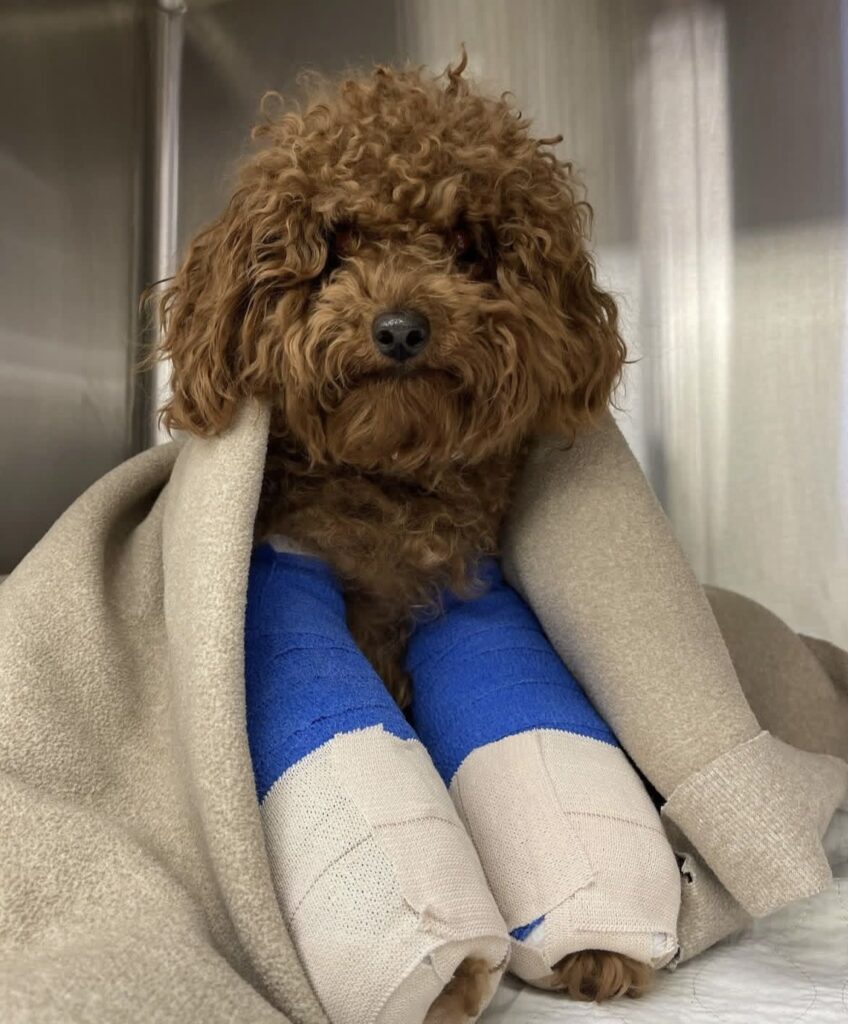
A curious puppy may swallow something they should not. A Cavapoo may cut a paw during an outdoor adventure (Cavapoo Ppuppies For Sale Near Me). A dog can also experience choking, heat illness, poisoning, bleeding, or another unexpected emergency (dog first aid).
Knowing basic pet first aid can help you stay calm while arranging professional veterinary care.
However, first aid is not a substitute for a veterinarian.
Some emergencies require immediate treatment at a veterinary hospital. Incorrect first-aid techniques can also make certain injuries worse.
The safest approach is to learn basic emergency principles, keep a first-aid kit available, and know how to contact your veterinarian before an emergency happens.
What Is Pet First Aid?
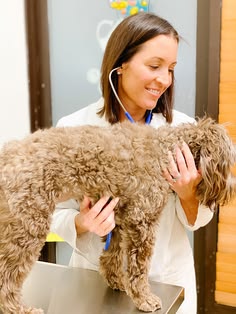
Pet first aid refers to immediate, temporary care provided after an injury or sudden illness.
The purpose is to protect your dog from additional harm and stabilize the situation while professional veterinary help is arranged (puppy first aid).
Examples can include:
- Controlling minor external bleeding
- Protecting an injured paw
- Keeping a dog calm after an accident
- Moving an injured dog safely
- Responding appropriately to suspected poisoning
- Recognizing signs of breathing difficulty
- Getting emergency veterinary care quickly
First aid should never delay emergency treatment.
If your Cavapoo is having difficulty breathing, has collapsed, is severely bleeding, has suffered major trauma, or is unconscious, contact an emergency veterinarian immediately (Cavapoo Ppuppies For Sale Near Me).
1. Learn What Is Normal for Your Dog
One of the most useful first-aid skills is knowing your Cavapoo’s normal behavior.
You know how your dog normally eats, walks, sleeps, plays, breathes, and interacts with people.
That makes you more likely to notice when something changes.
Pay attention to unusual signs such as:
- Sudden weakness
- Collapse
- Difficulty breathing
- Severe or persistent vomiting
- Repeated diarrhea
- Unusual confusion
- Sudden inability to walk normally
- Severe pain
- Pale, blue, gray, or abnormal gums
- Excessive bleeding
- Seizures
- Sudden changes in responsiveness
These signs do not identify one specific illness.
They simply indicate that your dog may need prompt veterinary assessment (dog emergency care).
Do Not Wait for Every Symptom
Some emergencies become serious before obvious symptoms appear.
For example, if you know your Cavapoo swallowed a potentially toxic substance, do not wait for vomiting or other symptoms before asking for advice (pet emergency).
Contact your veterinarian or an appropriate animal poison service as soon as possible.
Early advice can be important because treatment recommendations may depend on the substance, amount, timing, and your dog’s size.
2. Keep a Pet First-Aid Kit Ready
A basic pet first-aid kit can help with minor injuries while you arrange veterinary care.
Consider keeping:
- Sterile gauze
- Non-stick wound dressings
- Bandage material
- Adhesive tape designed for veterinary use
- Clean towels
- Disposable gloves
- Tweezers for appropriate superficial debris
- Saline for flushing minor wounds when appropriate
- A digital thermometer
- Scissors with blunt or protected tips
- A flashlight
- A leash
- Your veterinarian’s contact information
- Emergency veterinary hospital information
Keep the kit somewhere accessible.
You do not want to search for supplies while dealing with an emergency (dog emergency tips).
Keep Important Information With the Kit
Write down:
- Your regular veterinarian’s phone number
- Your nearest emergency veterinary hospital
- Your dog’s identification information
- Current medications
- Known allergies
- Relevant medical information
- Animal poison service contact information
If you travel with your Cavapoo, consider taking a smaller emergency kit with you.
3. Know What to Do About Bleeding
Minor cuts can sometimes be managed temporarily while you arrange veterinary advice.
If your dog has a small external wound, use clean gauze or a clean cloth and apply gentle, steady pressure.
Do not repeatedly lift the material to check whether bleeding has stopped.
If blood soaks through, add additional material over the existing layer rather than repeatedly removing it.
Severe Bleeding Is an Emergency
Seek immediate veterinary care for:
- Heavy bleeding
- Blood that continues flowing despite pressure
- Large or deep wounds
- Puncture wounds
- Injuries involving the chest or abdomen
- Suspected internal bleeding
- Injuries caused by serious trauma
Do not attempt complicated wound treatment at home.
A veterinarian may need to clean, close, or otherwise treat the injury.
4. Treat Burns Carefully
Dogs can suffer burns from hot surfaces, chemicals, or other heat sources.
If your Cavapoo has a suspected burn, move them away from the source.
For a minor thermal burn, cool running water may be appropriate while veterinary advice is obtained.
Do not apply ice directly to the affected area.
Do not apply household creams, butter, oils, or other substances unless a veterinarian specifically recommends them.
Burns can be deeper than they initially appear.
Contact your veterinarian for appropriate assessment.
Chemical burns require additional caution because the substance may continue damaging tissue.
Avoid exposing yourself to the chemical while helping your dog.
5. Know What to Do If Your Dog Is Choking
Choking can become life-threatening very quickly.
Signs may include:
- Difficulty breathing
- Extreme distress
- Repeated gagging
- Pawing at the mouth
- Coughing
- Blue or gray gums
- Collapse
If your dog is coughing and can still breathe, do not automatically perform a choking maneuver.
Keep your dog calm and contact a veterinarian immediately for guidance.
If an object is clearly visible in your dog’s mouth and can be removed safely without pushing it deeper, you may carefully remove it.
Do not blindly put your fingers deep into a conscious dog’s mouth.
A frightened or painful dog may bite.
Do Not Use Outdated Choking Techniques
Some older pet first-aid articles recommend suspending a dog upside down or repeatedly striking the abdomen.
Do not rely on those instructions.
Choking emergencies require situation-specific guidance, and inappropriate force can cause additional injury.
If your dog cannot breathe, contact an emergency veterinarian immediately and follow professional instructions.
Even if you successfully remove an object, your dog should still be assessed by a veterinarian because choking can cause airway or internal injuries.
6. Be Careful With Muzzles
Dogs that are frightened or in pain may bite even when they have never bitten before.
That does not mean every injured dog should automatically be muzzled.
Muzzles must be used appropriately.
A dog that is struggling to breathe, vomiting, or unable to pant normally should not be placed in a restrictive muzzle.
Some muzzle designs allow panting and drinking, while others do not.
If you have never used a muzzle, learning from a veterinarian or qualified professional before an emergency is much safer than improvising during a crisis.
Never use a muzzle as a substitute for veterinary treatment.
7. Handle an Injured Dog Carefully
An injured dog may behave differently from normal.
Pain can cause fear, defensive behavior, or attempts to escape.
Approach calmly.
Avoid sudden movements.
If your Cavapoo can walk safely, allow them to move rather than forcing them into an uncomfortable position (Cavapoo first aid).
If your dog cannot walk or has suffered significant trauma, minimize unnecessary movement.
A towel, blanket, or sturdy flat surface may help support a small dog during transportation.
Support the Whole Body
When lifting an injured Cavapoo, support both the chest and hindquarters (Cavapoo Ppuppies For Sale Near Me).
Keep the spine as stable as reasonably possible if spinal or major orthopedic injury is suspected.
Do not force a limb into a normal position.
Do not attempt to straighten broken bones.
Do not attempt to remove objects embedded deeply in the body.
These situations require veterinary treatment.
8. Know What to Do After Suspected Poisoning
Poisoning is one of the situations where waiting for symptoms can be dangerous.
If your Cavapoo may have eaten something toxic (Cavapoo emergency care):
- Remove your dog from the source if it is safe to do so.
- Identify the substance.
- Keep the packaging or take a photograph of the label.
- Estimate how much may have been consumed.
- Note approximately when it happened.
- Know your dog’s approximate weight.
- Contact your veterinarian or an appropriate animal poison service immediately.
Do Not Induce Vomiting Unless Instructed
Do not automatically give hydrogen peroxide or another substance to make your dog vomit.
Vomiting can be dangerous in some poisoning situations.
For example, certain substances can cause additional injury when they come back up.
Professional advice should determine whether vomiting is appropriate.
For more information about common household dangers, read our guide to Toxic Items for Dogs.
9. Recognize Heat-Related Emergencies
Cavapoos can become overheated during excessive exercise or exposure to hot and humid conditions.
Heatstroke can become life-threatening.
Warning signs may include:
- Excessive panting
- Weakness
- Confusion
- Uncoordinated movement
- Vomiting
- Collapse
- Abnormal gum color
- Loss of consciousness
If you suspect heatstroke, move your dog away from the heat and contact an emergency veterinarian immediately.
Cooling should begin promptly, but avoid using ice-cold water or creating delays while trying to manage the situation yourself.
Follow veterinary instructions regarding safe cooling and transportation.
Prevention is even better.
Avoid strenuous exercise during extreme heat and provide access to shade, water, and a cool environment.
10. Know the Difference Between Minor Injuries and Emergencies
Not every injury requires an emergency hospital.
A tiny superficial scrape may be very different from a deep puncture wound.
However, it can be difficult for owners to determine the seriousness of an injury from appearance alone (dog first aid kit).
Contact your veterinarian when you are uncertain.
Emergency care is particularly important when your dog has:
- Difficulty breathing
- Collapsed
- Lost consciousness
- Experienced major trauma
- Severe bleeding
- Seizures
- Severe pain
- Suspected poisoning
- A serious eye injury
- A deep wound
- Possible internal injuries
- Severe heat exposure
When in doubt, call.
A veterinary professional can help determine what level of care your Cavapoo needs (Cavapoo Ppuppies For Sale Near Me).
11. Learn Basic CPR From a Qualified Professional
Pet CPR can be useful in specific life-threatening situations.
However, performing CPR incorrectly can cause injuries.
The techniques also differ depending on the animal and situation.
Rather than relying on a written article alone, consider taking a recognized pet first-aid and CPR course (pet CPR).
Hands-on instruction can teach you how to assess responsiveness, breathing, circulation, and appropriate emergency techniques.
This is especially valuable for people who frequently hike, travel, foster animals, work with dogs, or spend significant time outdoors.
12. Keep Your Cavapoo Calm During an Emergency
Dogs respond to their owner’s behavior.
If you panic, your dog may become even more frightened.
Speak calmly.
Move carefully.
Keep unnecessary people and animals away.
Avoid forcing your dog into uncomfortable positions.
If transportation is required, prepare the vehicle before moving your dog when possible.
Call the veterinary hospital ahead of arrival so the team knows what happened (Cavapoo Ppuppies For Sale Near Me).
13. Be Prepared for Outdoor Accidents
Cavapoos often enjoy walks, playtime, and outdoor exploration.
That means owners should prepare for common outdoor hazards.
Carry basic supplies during longer outings.
Watch for:
- Sharp objects
- Hot surfaces
- Unknown plants
- Wildlife
- Standing water
- Extreme temperatures
- Other animals
- Falls or injuries
- Lost-dog situations
A first-aid kit does not eliminate these risks.
It simply helps you respond more effectively if something goes wrong.
For additional guidance, read our Outdoor Dog Safety guide.
14. Learn How to Transport Your Dog Safely
Transportation is sometimes the most important part of an emergency.
For a small injured dog such as a Cavapoo, a carrier can provide support if the dog can safely be placed inside (dog safety tips).
If your dog cannot walk, use a towel, blanket, or other stable support when appropriate.
Keep movement to a minimum after serious trauma.
Avoid carrying a severely injured dog loosely against your body if doing so causes unnecessary movement.
Never Put Your Own Safety at Risk
If your dog has been injured near traffic, water, fire, chemicals, or another dangerous environment, protect yourself first.
An injured owner cannot effectively help their dog.
Move both of you to a safe location when possible and contact emergency services when the environment presents an immediate danger.
What Not to Do During a Pet Emergency
Knowing what not to do is just as important as knowing what to do.
Do not:
- Give human medication unless a veterinarian specifically instructs you
- Induce vomiting without professional advice
- Force food or water on an unconscious dog
- Put your fingers blindly into a conscious dog’s mouth
- Attempt to straighten broken bones
- Pull deeply embedded objects out
- Apply household chemicals or creams to wounds
- Ignore severe breathing difficulty
- Delay emergency care while searching for a home remedy
- Assume a quiet dog is necessarily okay
When a serious emergency occurs, professional veterinary care should be your priority.
Build a Pet Emergency Plan Before You Need It
The best time to prepare for an emergency is when your dog is healthy.
Save your veterinarian’s number in your phone.
Find the nearest emergency veterinary hospital.
Keep a first-aid kit accessible.
Learn basic pet first aid from a qualified provider.
Keep toxic household products secured.
Know your dog’s normal behavior.
Make sure your Cavapoo’s identification information is current.
These preparations can save valuable time.
Frequently Asked Questions About Pet First Aid
What should I do first if my dog is injured?
Stay calm, move your dog away from immediate danger if possible, assess whether they are responsive and breathing normally, and contact a veterinarian. Serious injuries require immediate professional care.
Can I give my dog human pain medication?
Do not give human pain medication unless your veterinarian specifically tells you to do so. Some medications that are safe for people can be dangerous or toxic to dogs.
Should I induce vomiting if my dog eats something toxic?
Not unless a veterinarian or appropriate animal poison professional specifically instructs you to do so. Vomiting can be harmful in some poisoning situations.
What should I do if my Cavapoo is choking?
Treat choking as a potential emergency. Contact a veterinarian immediately. If an object is clearly visible and can be safely removed without pushing it deeper, carefully remove it. Avoid blindly reaching into a conscious dog’s mouth.
Should I muzzle an injured dog?
Not automatically. Pain can increase bite risk, but restrictive muzzles can interfere with panting, breathing, or vomiting. Use appropriate equipment only when it is safe and you know how to use it.
How do I transport an injured Cavapoo?
Support the chest and hindquarters and minimize unnecessary movement. After major trauma, use stable support when possible and seek veterinary guidance.
What belongs in a dog first-aid kit?
A basic kit can include sterile gauze, non-stick dressings, bandage material, tape, gloves, saline, towels, a thermometer, and important veterinary contact information.
When should I take my dog to an emergency veterinarian?
Seek emergency care for difficulty breathing, collapse, severe bleeding, seizures, severe trauma, suspected poisoning, loss of consciousness, severe pain, or other potentially life-threatening symptoms.
Can I treat a small wound at home?
Some minor superficial injuries may receive basic first aid, but deeper wounds, punctures, significant bleeding, contaminated wounds, or uncertain injuries should be evaluated by a veterinarian.
Is pet first-aid training worth taking?
Yes. A hands-on course can teach practical skills that are difficult to learn from written instructions alone. Look for a reputable pet first-aid and CPR training provider.
Helpful Cavapoo Safety Resources
Pet first aid is only one part of keeping your Cavapoo safe.
You can also explore:
Toxic Items for Dogs — Learn about foods, household products, medications, plants, and other potential hazards.
Outdoor Dog Safety — Prepare your Cavapoo for walks, parks, outdoor play, and adventures.
Dog Hygiene Essentials — Learn how to maintain clean paws, teeth, bedding, toys, collars, and grooming routines.
Cavapoo Care Guide — Explore practical guidance for everyday Cavapoo care.
How to Train a Cavapoo Puppy — Build positive behaviors that can make everyday handling and safety easier.
Cavapoo Veterinarian — Learn why regular veterinary care matters throughout your dog’s life.
Puppy Buying Checklist — Prepare for the responsibilities involved in bringing a puppy home.
Available Cavapoo Puppies — Explore our available Cavapoo puppies when you are ready to find your new companion.
Final Thoughts
Pet first aid is not about becoming your dog’s veterinarian.
It is about being prepared.
Learn to recognize changes in your Cavapoo (Cavapoo Ppuppies For Sale Near Me).
Keep basic supplies available.
Know where to find emergency veterinary care.
Learn how to respond safely to common situations.
Most importantly, know when an emergency is beyond home care.
During a serious injury or illness, time matters.
Stay calm, avoid risky home remedies, and contact a veterinary professional as quickly as possible.
The best first-aid plan is one that helps you protect your Cavapoo while getting the professional care they need.

Pingback: Road Trips With Your Dog: Complete Cavapoo Travel Guide 2026