
Grooming Guide, Cavapoo Care Guide
Why Do Dogs Wag Their Tails? Understanding Canine Tail Language
Aug
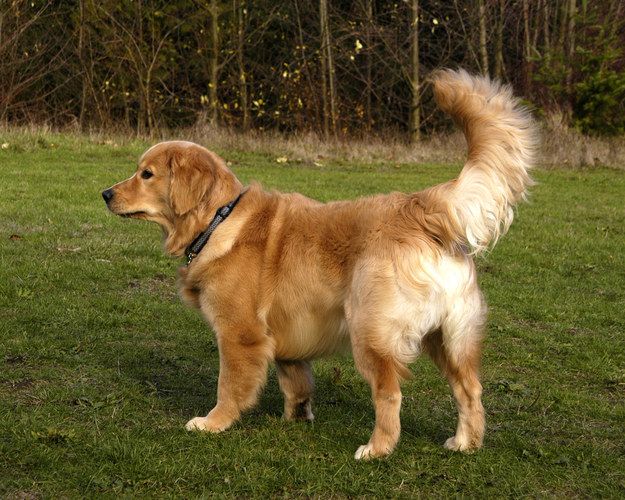
A wagging tail is one of the most recognizable signs of canine communication (Why Do Dogs Wag Their Tails).
Many people automatically assume that a dog wagging its tail is happy. While a relaxed wag can certainly accompany excitement and friendly interaction, tail wagging does not always mean a dog wants to say hello.
Dogs use their tails as part of a much larger communication system that includes their ears, eyes, facial expressions, posture, movement, and overall body tension.
Learning to read these signals together can help you better understand your puppy and recognize when your dog is excited, relaxed, nervous, uncomfortable, or potentially defensive.
What Is the Purpose of a Dog’s Tail?
A dog’s tail plays an important role in communication and movement.
When interacting with people or other dogs, a puppy may change the position and movement of its tail depending on what is happening around them.
The position of the tail can provide clues about a dog’s emotional state.
For example, a tail tucked between the legs can accompany fear or anxiety. A higher tail position may indicate alertness, confidence, or arousal. A loose, relaxed wag may occur during friendly interaction.
However, these signals should never be interpreted individually.
A dog with a high, stiff tail may be highly aroused or uncomfortable, while a dog with a wagging tail may still feel threatened. The ASPCA specifically notes that a wagging tail does not automatically mean a dog is friendly.
This is why looking at your dog’s entire body is so important.
What Different Tail Positions Can Mean
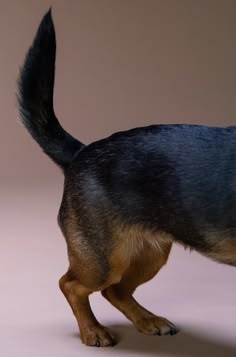
Although every dog is different, several general patterns can help you understand canine body language.
Tail Tucked Between the Legs
A tail held tightly between the legs commonly accompanies fear, anxiety, or uncertainty.
You may also notice other signs such as:
- Lowered body posture
- Ears held back
- Lip licking
- Avoiding eye contact
- Trying to move away
- Crouching
- Yawning
If your dog displays several of these behaviors, give them additional space rather than forcing an interaction.
Tail Held High
A high tail can indicate alertness, confidence, excitement, or increased arousal.
The rest of the dog’s body language matters.
A relaxed dog with a naturally high tail can be perfectly comfortable. A dog with a very high, stiff tail combined with a tense body, fixed stare, or forward movement may be displaying a very different emotional state.
The ASPCA notes that an aggressive dog may hold its tail straight up and can even wag it while displaying other signs of tension or threat.
Relaxed Side-to-Side Wag
A loose, relaxed wag can accompany friendly greetings and positive social interaction.
You may also see a relaxed body, soft facial expression, wiggling movement, or play bow.
This is very different from a rigid, rapid tail movement accompanied by a tense body.
The more relaxed the entire dog appears, the more useful the tail wag is as part of the overall picture.
Fast or Stiff Wagging
Fast wagging does not automatically mean happiness.
A dog can wag rapidly because they are extremely excited, frustrated, anxious, or highly aroused.
This is why simply saying “the dog is wagging, so the dog must be happy” can lead to misunderstandings.
Instead, look at the dog’s posture, ears, eyes, mouth, and movement.
Why Do Dogs Wag Their Tails?
Dogs may wag their tails for several reasons.
Happiness and Excitement
A dog may wag enthusiastically when their favorite person comes home, when they are preparing for a walk, or when they are about to play.
You may see the entire rear end moving along with the tail.
This type of relaxed body movement is often associated with positive social interaction.
Greeting
Dogs frequently wag their tails when greeting familiar people or dogs.
The tail movement may be accompanied by relaxed posture, playful movements, licking, or other friendly behaviors.
However, dogs should still be allowed to decide whether they want to interact.
Anxiety or Uncertainty
Some dogs wag their tails when they are nervous.
This can be confusing because people often interpret any wag as friendliness.
Look for other signals.
If your dog’s body is lowered, their ears are pulled back, they are licking their lips, or they are trying to move away, the tail wag should not be interpreted as an invitation to approach.
Alertness
A dog may hold its tail higher when something catches its attention.
Perhaps your puppy hears a strange noise outside or notices another dog across the street.
The tail may become more elevated while the rest of the body becomes more focused.
Give your dog time to assess the situation rather than immediately assuming they are either happy or aggressive.
High Arousal
Excitement is not always positive.
A dog can become highly aroused because of play, frustration, fear, or a perceived threat.
A stiff body, fixed gaze, raised hackles, forward movement, growling, or barking can provide important additional information.
When these signs appear, increasing distance is usually safer than encouraging an interaction.
Does the Direction of a Tail Wag Matter?
Research suggests that the direction of a dog’s tail movement can provide additional information.
Studies have found differences between left- and right-biased tail wagging in response to different emotional or social situations. Research has associated more right-sided movement with positive or approach-related stimuli and more left-sided movement with negative or withdrawal-related stimuli.
However, this should not be treated as a simple rule for reading every dog.
Dogs have different tail shapes, sizes, carrying positions, and individual movement patterns. Researchers have also found individual differences in tail-wagging behavior.
For everyday dog owners, the most useful approach is to consider the direction of the wag as one small piece of information rather than attempting to diagnose your dog’s emotional state from it alone.
Can Other Dogs Understand Tail Wags?
Dogs appear to pay attention to the body language of other dogs.
Research has found that dogs can respond differently to left- and right-biased tail movements displayed by other dogs. Left-biased movement has been associated with greater stress-related responses in observing dogs, while right-biased movement has been associated with more relaxed responses.
This helps explain why canine communication involves much more than barking.
Dogs constantly observe posture, movement, facial expressions, ears, tails, and other signals when interacting.
Your puppy is learning to interpret these signals from a very young age.
Why You Should Read the Whole Dog
The tail is useful, but it should never be your only source of information.
Imagine seeing a dog with a rapidly wagging tail.
At first glance, you might assume the dog wants to play.
Now look closer.
If the dog’s body is loose, mouth relaxed, ears natural, and movements playful, the dog may indeed be excited and friendly.
But if the body is stiff, the eyes are fixed, the ears are forward, and the dog is standing rigidly, the situation may be completely different.
The ASPCA recommends paying attention to the complete body language of a dog, especially when determining whether the dog is anxious, afraid, threatened, or potentially aggressive.
Understanding Your Puppy Better
Learning canine body language is particularly useful during puppyhood.
Your puppy will experience many new situations, including meeting people, encountering other dogs, visiting new places, hearing unfamiliar sounds, and learning household routines.
Understanding their body language can help you recognize when they are comfortable and when they need more space.
This is especially important during socialization.
Socialization should not mean forcing your puppy to interact with everyone.
Instead, the goal is to help your puppy experience new people, animals, environments, sounds, and situations in a safe and positive way.
If your puppy becomes overwhelmed, increasing distance and allowing them to calm down can be more helpful than pushing the interaction.
What Other Body Signals Should You Watch?
When trying to understand your dog’s tail, look at these signals as well:
Ears
Ears held naturally can indicate a relaxed dog, while ears pulled back may accompany fear, anxiety, or appeasement.
Eyes
A soft gaze can indicate relaxation, while a hard stare can be a warning sign when combined with other tense body language.
Mouth
A relaxed mouth can accompany a comfortable dog. Lip licking, yawning, or tightly closed lips may appear when a dog is uncomfortable or stressed.
Body Position
A loose, wiggly body is very different from a rigid or frozen posture.
Movement
A dog moving toward something confidently is communicating something different from a dog attempting to retreat.
Learning to combine these signals is far more reliable than focusing on the tail alone.
Why This Matters for Cavapoo Puppies
Cavapoos are companion dogs that often enjoy being close to their families.
Their affectionate nature can make their body language particularly interesting for owners to observe.
As a Cavapoo puppy grows, you will begin to recognize their individual communication style.
You may notice how their tail moves when they see you come home, how their posture changes when they meet another dog, or how they behave when entering a new environment.
Understanding these patterns can strengthen the relationship between you and your puppy.
If you are raising or considering a Cavapoo, our Cavapoo Breed Guide provides additional information about the breed.
You can also learn more about How to Train a Cavapoo Puppy and discover our Cavapoo Care Guide for everyday care information.
Frequently Asked Questions
Does a wagging tail always mean a dog is happy?
No. Dogs can wag their tails when they are excited, anxious, frustrated, alert, or uncomfortable. Always consider the dog’s entire body language.
Why does my dog wag its tail when I come home?
A dog may wag its tail when greeting a familiar person because of excitement and positive social interaction. A relaxed body and loose movement can provide additional clues.
What does it mean when a dog puts its tail between its legs?
A tucked tail commonly accompanies fear, anxiety, or uncertainty. Look for additional signs such as lowered posture, ears held back, lip licking, or attempts to move away.
What does a high tail mean?
A high tail can indicate alertness, confidence, excitement, or high arousal. Context and the rest of the dog’s body language are important.
Can dogs wag their tails when they are scared?
Yes. A wagging tail does not automatically mean a dog is comfortable or friendly. Fearful dogs may show tail movement alongside other signs of anxiety.
What does a stiff wagging tail mean?
A stiff wag can indicate high arousal rather than happiness. Look at the dog’s posture, facial expression, ears, and behavior before approaching.
Can dogs understand another dog’s tail wag?
Research suggests dogs can respond differently to different tail-wagging patterns displayed by other dogs. Tail movement appears to be one component of canine communication.
Is the direction of a dog’s tail wag important?
It can provide additional information. Research has identified associations between right- and left-biased tail movement and different emotional states, but the direction should never be interpreted by itself.
Final Thoughts
So, why do dogs wag their tails?
The answer is more complicated than simply saying, “because they are happy.”
A dog’s tail is an important communication tool. Its position, movement, speed, and stiffness can provide clues about what your dog is experiencing.
The key is to look at the whole dog.
Pay attention to the tail, ears, eyes, mouth, posture, and movement together. Over time, you will become much better at recognizing your own dog’s individual signals.
Understanding canine body language can help you communicate more effectively with your puppy, avoid uncomfortable situations, and build a stronger relationship based on trust.
Continue Learning About Cavapoos
If you want to learn more about raising and caring for a Cavapoo, explore these related resources:
- Available Cavapoo Puppies
- Cavapoo Breed Guide
- Cavapoo Care Guide
- How to Train a Cavapoo Puppy
- Cavapoo Puppies by State
- Adoption Process
- Health Guarantee
- Shipping & Delivery
- Frequently Asked Questions
Recommended External Resources
For additional information about canine body language and tail communication, these resources are useful:
- ASPCA — Dog Bite Prevention — Practical information about recognizing fear, anxiety, aggression, and other canine body-language signals.
- Communication in Dogs — Scientific Review — Research covering canine communication, tail position, movement, and emotional signaling.
- Tail-Wagging Research — Research examining individual tail-wagging patterns and changes during dog-human interactions.
These resources can help you learn more about canine communication, while a qualified veterinarian or veterinary behavior professional should be consulted when you have concerns about your dog’s behavior or emotional wellbeing.

Pingback: Why Do We Love Dogs So Much - Best Guide 2026