Cavapoo Exercise, Cavapoo Care Guide
Activities to Do at Your Local Dog Park: Fun, Safe Ideas for Your Dog
Aug
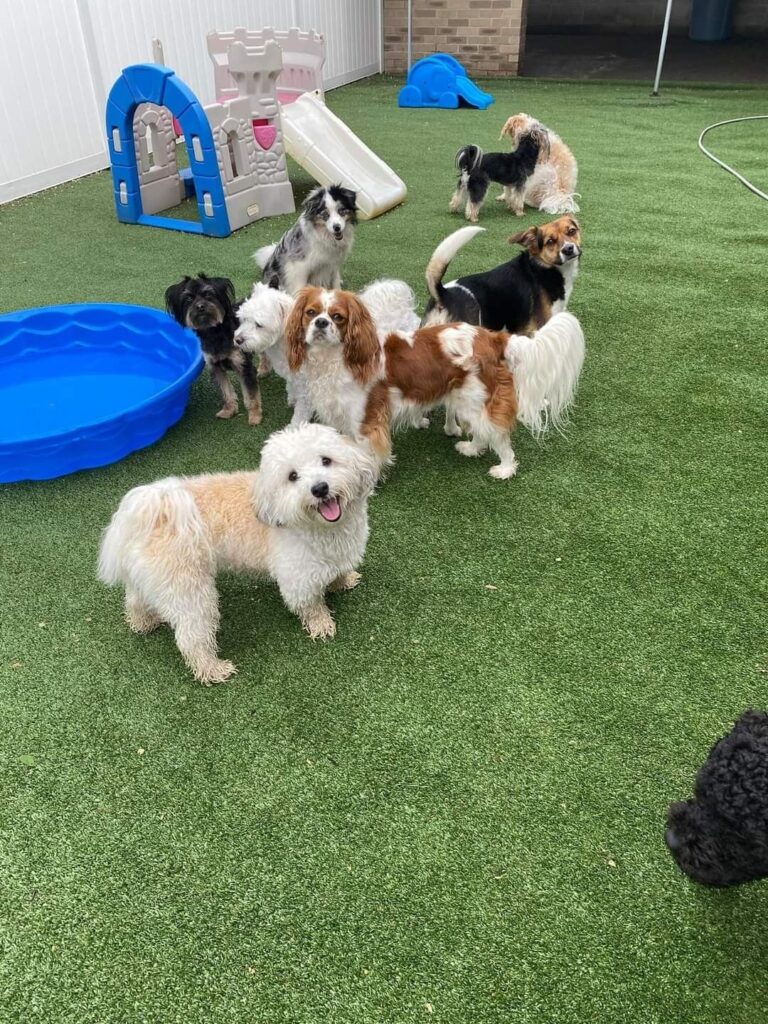
A trip to the local dog park can be much more than simply letting your dog run around (Activities to Do at Your Local Dog Park).
Dog parks can provide opportunities for exercise, training, socialization, mental stimulation, and quality time with your favorite four-legged companion. With a little planning, you can turn an ordinary visit into a fun and productive outing.
However, every dog park is different, and not every dog enjoys the same activities. Pay attention to your dog’s body language, follow the park’s rules, and give your dog breaks when needed.
Here are some enjoyable activities to try during your next dog-park visit.
Before You Visit the Dog Park: Activities to Do at Your Local Dog Parkt
Before planning activities, make sure your dog is ready for the environment.
Your dog should be comfortable around other dogs and people, and vaccinations should be kept current according to your veterinarian’s recommendations and local requirements.
It is also a good idea to bring fresh water, a portable bowl, waste bags, and a few appropriate toys if the park allows them.
Check the park rules before bringing food or toys. Some parks restrict certain items because they can create competition between dogs.
If your puppy is still young and has not completed the vaccinations recommended by your veterinarian, ask your veterinarian when public dog-park environments are appropriate.
For puppies that are ready to explore, gradual exposure to new environments can help build confidence.
1. Play Fetch
Fetch is one of the easiest ways to encourage physical activity.
If your dog enjoys retrieving toys, bring a favorite ball or another appropriate toy if the park permits them.
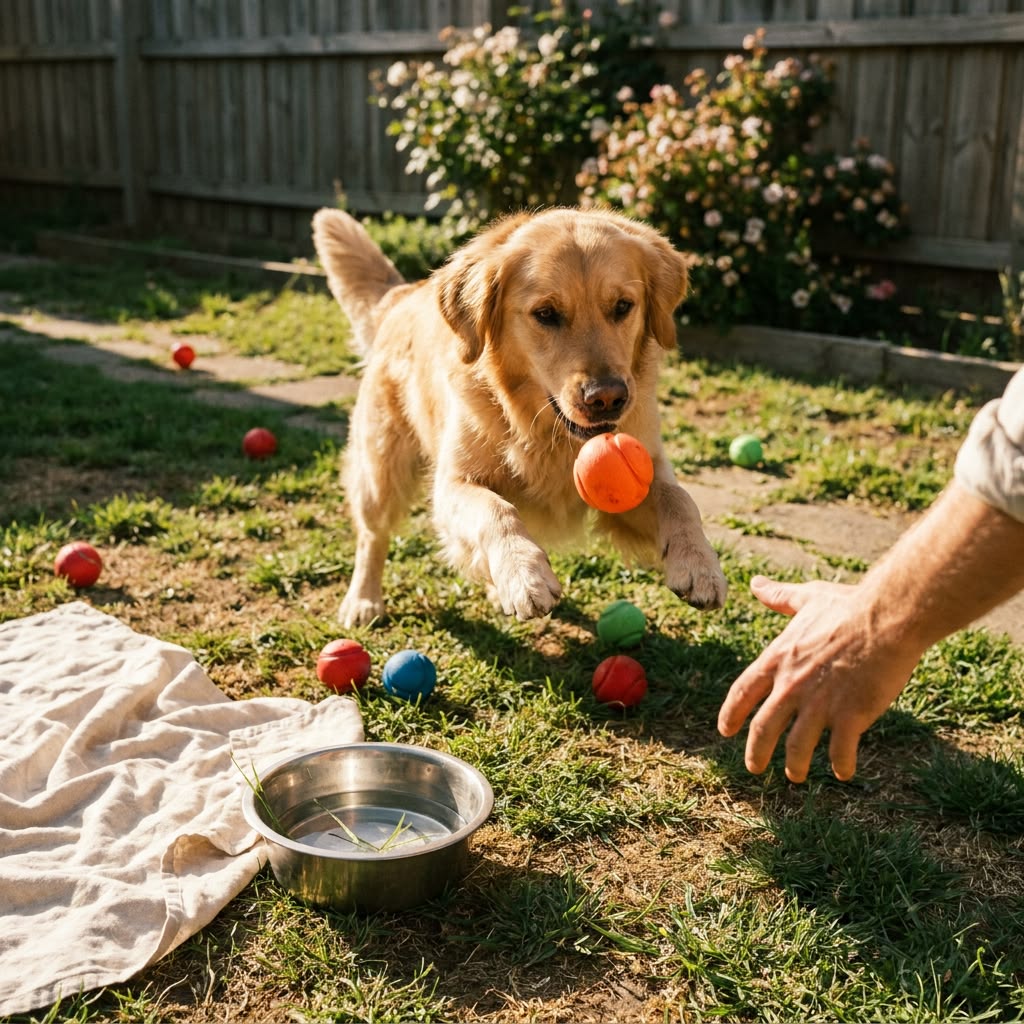
Start with short throws and allow your dog to return at their own pace.
You do not need to throw the ball continuously. Several short rounds of fetch followed by rest can provide plenty of activity.
Be aware of other dogs before throwing anything. A toy flying across a crowded dog park can encourage multiple dogs to chase it and may create unnecessary competition.
Choose a quieter area whenever possible.
2. Practice Basic Training
A dog park can be an excellent environment for practicing training because there are naturally more distractions than at home.
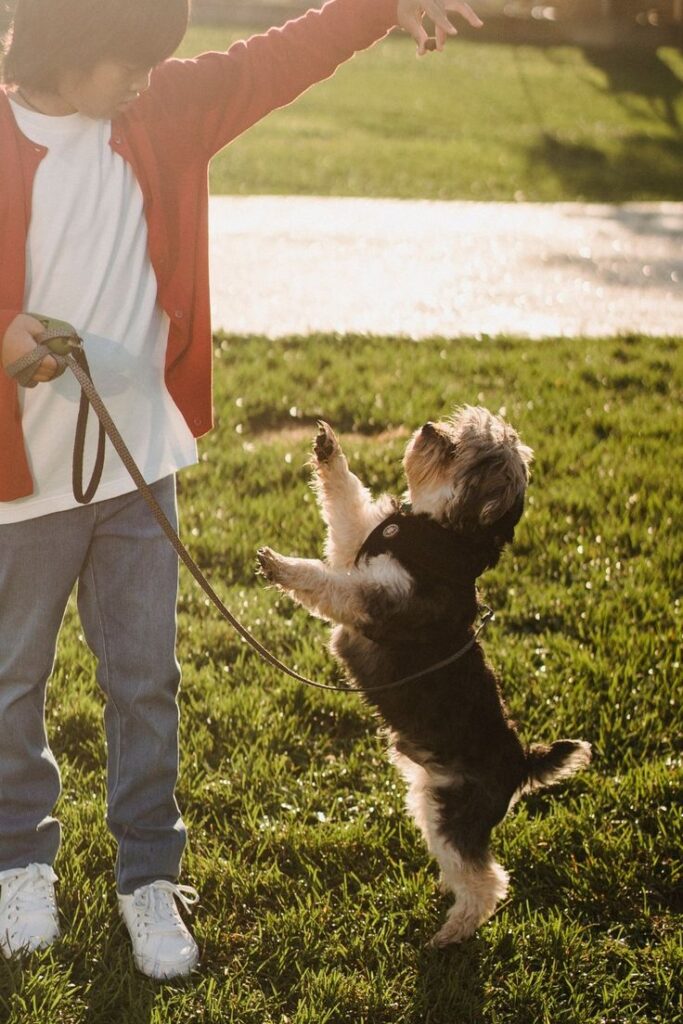
You can practice simple behaviors such as:
- Name recognition
- Sit
- Stay
- Come
- Leave it
- Wait
- Hand targeting
- Walking beside you
Keep training sessions short and positive.
If your dog is too distracted to respond, do not repeatedly give the same command. Move to a quieter part of the park or take a short break.
The goal is to help your dog learn that listening to you still matters when exciting things are happening around them.
For additional training ideas, see our How to Train a Cavapoo Puppy guide.
3. Try a Dog-Friendly Agility Course
Some dog parks have agility equipment such as tunnels, ramps, platforms, and jumps.
If your local park provides these features, you can introduce them gradually.
Let your dog investigate the equipment first. Do not force your dog onto an obstacle if they appear nervous.
For a beginner, simply walking through a tunnel or stepping onto a low platform can be enough.
As your dog becomes comfortable, you can introduce additional obstacles.
Agility is not only physical exercise. It also encourages your dog to think, listen, and interact with you.
Avoid high-impact jumping or strenuous activity if your dog is too young, injured, elderly, or otherwise not suited for it. When in doubt, ask your veterinarian what activities are appropriate.
4. Organize a Doggy Play Date
If your dog has a few canine friends that get along well, a supervised play date can be a fun addition to your routine.
Not every dog enjoys every other dog, so focus on compatible playmates rather than simply inviting as many dogs as possible.
Watch the dogs while they interact.
Healthy play can involve chasing, wrestling, brief pauses, and switching roles. Dogs should also be allowed to disengage when they want a break.
If one dog repeatedly tries to escape the interaction, hides, freezes, or appears frightened, give that dog space.
Good socialization is not about forcing dogs to interact. It is about helping them feel safe and comfortable around different situations.
5. Play a Simple Find-It Game
Dogs experience the world largely through their sense of smell, so scent games can provide excellent mental stimulation.
In a quiet area, you can practice a simple “find it” game using a toy.
Ask your dog to wait, place the toy nearby, and then encourage them to search for it.
Keep the game simple at first.
Once your dog understands what you want, you can gradually make the search more challenging.
Always follow the dog park’s rules before using treats or food-based games. Food can sometimes create competition between unfamiliar dogs.
6. Practice Recall
Recall is one of the most valuable behaviors a dog can learn.
A dog park provides plenty of distractions, but that also means it may not be the ideal place to teach recall from scratch.
Start recall training in controlled environments and gradually increase distractions.
At the dog park, you can reinforce an already established recall by calling your dog occasionally and rewarding them for coming to you.
Keep the experience positive.
One useful strategy is to avoid making every recall signal mean that fun is over. Sometimes call your dog, reward them, praise them, and then allow them to return to play.
This helps prevent your dog from learning that coming when called always means leaving.
7. Take a Photography Break
Dog parks can provide interesting backgrounds for photographs.
Instead of trying to photograph your dog while they are running at full speed, look for quieter moments.
You might capture your dog sitting beside you, exploring the grass, watching other dogs, or relaxing after play.
Natural lighting can make outdoor photographs particularly attractive.
You do not need elaborate equipment. A smartphone can capture plenty of memorable moments.
Just make sure photography does not distract you from supervising your dog.
8. Give Your Dog a Sniffing Break
Exercise does not always need to involve running.
Allowing your dog time to investigate their environment can provide valuable mental stimulation.
Dogs use their noses to collect information about their surroundings. New smells can be fascinating and mentally engaging.
Give your dog time to sniff rather than constantly directing them to move.
A relaxed sniffing session can be a great way to balance more energetic activities.
9. Practice Calm Behavior
One of the most useful activities at a dog park may be teaching your dog that they do not always need to be active.
Find a quiet spot and encourage your dog to settle beside you.
Reward calm behavior when appropriate.
This can help your dog learn that exciting environments do not always mean running, barking, or interacting with every dog nearby.
Learning to settle is an important life skill that can also help at restaurants, outdoor events, friends’ homes, and other public places.
10. Take a Water and Rest Break
Dogs can become excited at the dog park and continue playing even when they are becoming tired.
Regular breaks are therefore important.
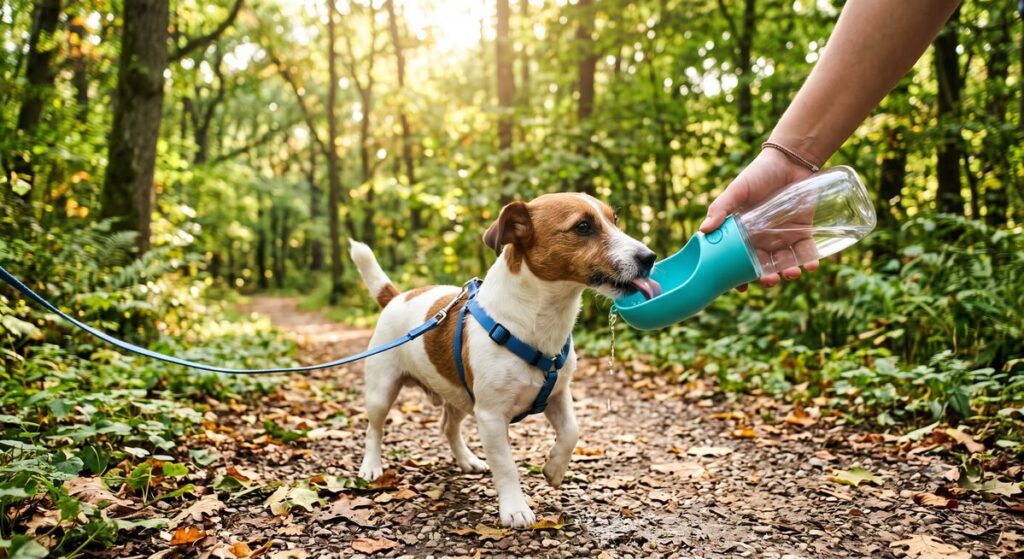
Bring fresh water and give your dog opportunities to rest in a shaded or comfortable area.
Watch for excessive panting, weakness, confusion, uncoordinated movement, vomiting, or collapse. These can be signs of overheating or another medical emergency and require prompt veterinary attention.
Be particularly careful during hot and humid weather.
Our Cavapoo Care Guide provides additional information about everyday exercise, grooming, nutrition, and care.
How to Know When Your Dog Has Had Enough
Not every dog will want to spend hours at the park.
Watch your dog’s body language throughout the visit.
Your dog may need a break if they:
- Move away from other dogs repeatedly
- Hide behind you
- Become unusually quiet
- Stop responding normally
- Show signs of excessive fatigue
- Become irritable
- Pant excessively
- Lose interest in activities they normally enjoy
A successful dog-park visit is not measured by how long you stay.
Sometimes twenty minutes of relaxed activity is better than an hour of overwhelming stimulation.
Dog Park Safety Tips
Dog parks can be enjoyable, but they require responsible supervision.
Keep your attention on your dog rather than spending the entire visit on your phone.
Follow posted park rules and clean up after your pet.
Avoid bringing toys or food if they are likely to create conflict.
Never assume that every dog wants to play with your dog.
Watch interactions carefully and be prepared to leave if the environment becomes too stressful.
You should also consider your dog’s temperament. Some dogs genuinely prefer walking, hiking, training, or playing with familiar dogs instead of visiting a busy dog park.
There is nothing wrong with that.
The best activity is one that your dog enjoys and can handle safely.
Are Dog Parks Good for Cavapoos?
Cavapoos are generally social companion dogs that often enjoy spending time with people and exploring new environments.
However, individual Cavapoos can have very different personalities.
Some may love running around with other dogs, while others may prefer a quiet walk or playing with a familiar companion.
If you have a Cavapoo puppy, introduce new experiences gradually and focus on positive associations.
You can also combine dog-park visits with structured training, calm walks, scent games, and interactive play.
If you are considering bringing a Cavapoo into your family, explore our Available Cavapoo Puppies and learn more through our Cavapoo Breed Guide.
Frequently Asked Questions
What can I do with my dog at a dog park?
You can play fetch, practice basic commands, work on recall, explore agility equipment, allow supervised socialization, practice calm behavior, and enjoy scent-based games.
Should I bring toys to the dog park?
Check the park’s rules first. Toys can sometimes create competition between unfamiliar dogs, especially when several dogs want the same object.
How long should my dog stay at the dog park?
There is no universal time limit. Your dog’s age, fitness, temperament, weather, and activity level should determine how long you stay.
Should puppies go to dog parks?
Puppies should only visit public dog-park environments when your veterinarian considers them appropriately protected and ready. Puppy socialization can begin earlier in controlled, safe environments.
How can I keep my dog from becoming overwhelmed?
Give your dog breaks, provide access to water and quieter areas, and leave if your dog shows signs of stress or exhaustion.
Is running enough exercise for a dog?
Physical activity is important, but mental stimulation matters too. Training, sniffing games, exploration, and interactive activities can challenge your dog’s mind.
What if my dog does not like the dog park?
Do not force your dog to stay. Some dogs prefer quieter activities, individual walks, hiking, training sessions, or playing with familiar dogs.
Final Thoughts
A local dog park can become much more than a place for your dog to run.
With the right approach, you can use the space to combine exercise, training, socialization, mental stimulation, and quality time together.
Try a game of fetch, practice a few commands, explore an agility course, enjoy a sniffing session, or simply sit together and practice calm behavior.
Most importantly, pay attention to your dog’s individual needs.
A happy dog-park visit is not about doing the most activities possible. It is about creating a safe, positive experience that leaves your dog feeling relaxed, enriched, and ready for their next adventure.
Continue Learning About Cavapoos
- Available Cavapoo Puppies
- Cavapoo Breed Guide
- Cavapoo Care Guide
- How to Train a Cavapoo Puppy
- Cavapoo Puppies by State
- Adoption Process
- Health Guarantee
- Shipping & Delivery
- Frequently Asked Questions
Trusted External Resources
For additional guidance on dog socialization, exercise, and safe interactions, consult reputable organizations such as the American Kennel Club and VCA Animal Hospitals.
These resources can provide additional education, while your veterinarian can advise you about your individual dog’s health, vaccination status, exercise limitations, and socialization needs.

Pingback: What Are the Benefits of Owning a Dog - Best Guide in 2026