Cavapoo Care Guide, Grooming Guide
Which Dogs Shed the Least? 10 Low-Shedding Dog Breeds to Consider
Aug
Many people love dogs but do not love finding dog hair on their furniture, clothing, floors, and bedding (dogs that shed the least).
Fortunately, some dog breeds shed considerably less than others.
Low-shedding dogs can be an excellent choice for families that prefer less loose hair around the home. However, low shedding does not necessarily mean low maintenance (low shedding dogs). Many dogs that shed very little have continuously growing or easily tangled coats that require regular brushing and professional grooming.
It is also important to understand the difference between low-shedding and hypoallergenic dogs. No dog is completely hypoallergenic (dogs that don’t shed). Dog allergies can involve proteins found in dander, saliva, and other sources rather than the hair itself.
So, which dogs shed the least?
Here are several popular low-shedding breeds worth considering.
1. Poodle
The Poodle is one of the best-known low-shedding dog breeds.
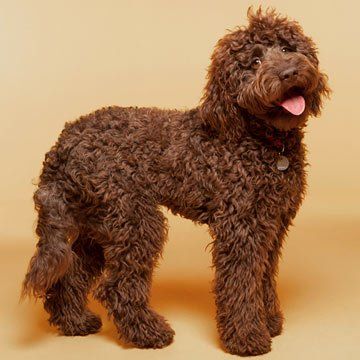
Poodles come in Standard, Miniature, and Toy sizes. Their curly coats shed minimally, but loose hairs can become trapped within the coat instead of falling throughout the house.
That does not mean Poodles are maintenance-free.
Their coats can mat if they are not brushed regularly. Owners who keep the coat longer may need to brush their dogs daily, while regular professional grooming is also commonly recommended.
Poodles are also highly intelligent and active (least shedding dog breeds). They generally benefit from both physical exercise and mental stimulation.
For families interested in a small companion dog with Poodle ancestry, this is one reason Cavapoos are so popular.
Learn more: Cavapoo Breed Guide
2. Bichon Frise
The Bichon Frise is another popular low-shedding companion breed.
Their soft, curly coat grows continuously and tends to retain loose hair within the coat rather than leaving large amounts around the home.
Regular brushing is important because trapped hair can contribute to tangles and mats.
The Bichon is also known for being cheerful, playful, social, and people-oriented (low shedding dog breeds). The breed can be an excellent companion for families looking for a smaller dog with an affectionate personality.
However, potential owners should not choose the Bichon simply because they have allergies. Individual reactions vary, and no breed can guarantee an allergy-free experience.
3. Bedlington Terrier
The Bedlington Terrier has one of the most distinctive coats in the dog world.
Its curly, woolly coat gives the breed a lamb-like appearance. The Bedlington is considered a low-shedding breed and is frequently included among breeds recommended for people looking for dogs with minimal shedding.
Despite its unusual appearance, the Bedlington is an active and affectionate companion.
Its coat still requires regular maintenance, so low shedding should not be confused with low grooming requirements (small dogs that don’t shed).
4. Maltese
The Maltese is a small companion dog with a long, silky coat.
Although the coat can grow quite long, the Maltese is considered a low-shedding breed.
Regular brushing is important because the long hair can become tangled and matted.
The Maltese is also known for its playful and affectionate personality. Its small size can make it appealing to people living in apartments or smaller homes (best low shedding dogs).
If you want a small dog that leaves relatively little loose hair around your home, the Maltese is certainly worth considering.
5. Kerry Blue Terrier
The Kerry Blue Terrier is another breed commonly associated with minimal shedding.
This medium-sized Irish terrier has a distinctive curly coat that requires regular maintenance.
Kerry Blues are intelligent, active, and affectionate. They can be a good fit for families that want a low-shedding dog but also have the time and energy to provide exercise and training.
Their grooming requirements should be considered before bringing one home.
The AKC includes the Kerry Blue Terrier among breeds commonly considered by people looking for lower-shedding dogs (hypoallergenic dogs).
6. Soft Coated Wheaten Terrier
The Soft Coated Wheaten Terrier has a soft, wavy coat and is another breed known for relatively low shedding.
These medium-sized terriers are energetic, affectionate, and generally enjoy spending time with their families.
Their coat requires regular brushing to prevent tangles and mats.
They can be a good option for active households that want a dog with a friendly personality and less loose hair than many traditional shedding breeds (dogs that shed very little).
The AKC lists the Soft Coated Wheaten Terrier among breeds often considered for people looking for lower-shedding dogs.
7. Barbet
The Barbet is a French water dog with a dense, curly coat.
Its appearance may remind you of a Poodle, although the two breeds are distinct.
The Barbet is intelligent, affectionate, and active. Its coat generally requires regular brushing and grooming to prevent matting.
This is an important point for anyone searching for a dog that does not shed much:
Less hair on your floor can mean more work with a brush.
Low-shedding coats often hold onto loose hair, which means owners need to remove that hair through regular grooming (Cavapoo shedding).
8. Portuguese Water Dog
The Portuguese Water Dog is another well-known low-shedding breed.
These athletic dogs were developed as working water dogs and tend to have plenty of energy.
They are intelligent, loyal, and happiest when they have opportunities to exercise and interact with their families.
Their curly or wavy coat requires regular maintenance.
The Portuguese Water Dog is also among the breeds the AKC identifies as an option for people looking for lower-shedding dogs (do Cavapoos shed).
This breed may be a particularly good fit for an active family that enjoys outdoor activities.
9. Schnauzer
Schnauzers are available in three sizes: Miniature, Standard, and Giant.
Their distinctive wiry coats generally shed very little compared with many other breeds.
However, their coats still require regular grooming and maintenance.
Miniature Schnauzers can be particularly appealing to families looking for a smaller low-shedding dog. They are intelligent, alert, adaptable, and full of personality.
As with every breed, temperament and lifestyle compatibility should matter just as much as shedding.
10. Chinese Crested
The Chinese Crested offers a very different option.
The breed can be found in hairless and Powderpuff varieties. The hairless variety naturally produces very little loose hair, while the Powderpuff has a full coat.
The Chinese Crested is generally affectionate and strongly people-oriented.
However, choosing a hairless dog does not eliminate allergy concerns. Hair is not the only source of dog allergens, and even hairless dogs can produce allergenic proteins.
Dogs That Shed The Least: Does Low Shedding Mean Less Grooming?
Not necessarily.
This is one of the biggest misconceptions about low-shedding dogs.
Many low-shedding breeds require more grooming, not less.
Consider a Poodle.
A Poodle may leave significantly less loose hair around the home than a heavy-shedding breed. However, its curly coat can become tangled and matted without regular brushing and grooming.
The same principle applies to many other low-shedding breeds.
Regular grooming may include:
- Brushing
- Bathing
- Coat trimming
- Nail trimming
- Ear care
- Dental care
- Professional grooming
The exact routine depends on the breed and individual coat.
The AKC recommends regular grooming for many low-shedding breeds because their coats can retain loose hair and become matted.
Are Low-Shedding Dogs Hypoallergenic?
No dog is completely hypoallergenic.
This distinction is extremely important for people considering a dog because of allergies.
Many people assume that allergies are caused primarily by dog hair. In reality, dog allergens can come from proteins found in dander, saliva, and other biological materials.
Because low-shedding dogs release less loose hair into the environment, some people with allergies may find certain breeds easier to live with.
However, reactions vary considerably between individuals.
The American Kennel Club recommends that allergy sufferers consider their individual reaction rather than assuming a particular breed will automatically be safe (are Cavapoos hypoallergenic).
If allergies are a serious concern, spending time around the specific dog before making a commitment can be useful. Discussing your situation with an allergy professional can also help.
Do Cavapoos Shed?
Cavapoos can be low-shedding, but there is no guarantee that every Cavapoo will shed the same amount.
A Cavapoo combines the genetics of a Cavalier King Charles Spaniel and a Poodle.
Because they are mixed-breed dogs, their coats can vary considerably.
Some Cavapoos inherit a curlier Poodle-like coat and may shed very little. Others can have a wavier coat or inherit more characteristics from their Cavalier parent (do Cavapoos shed).
This means prospective owners should avoid promises such as “zero shedding” or “100% hypoallergenic.”
Instead, it is more accurate to describe Cavapoos as often low-shedding dogs whose coat type can vary.


If shedding is one of your main reasons for considering a Cavapoo, ask the breeder about the puppy’s parents, coat type, and expected adult coat.
You can learn more about what to expect in our Cavapoo Breed Guide.
How to Reduce Dog Hair Around Your Home
Even if you choose a low-shedding breed, you will still need to maintain your dog’s coat.
A few simple habits can make a noticeable difference.
Brush Your Dog Regularly
Brushing removes loose hair before it has a chance to end up on your furniture and floors.
It can also help prevent tangles and mats.
The appropriate brushing schedule depends on your dog’s coat type.
Keep Up With Professional Grooming
Dogs with continuously growing or heavily textured coats may benefit from professional grooming.
A groomer can help maintain coat length, remove difficult tangles, trim sensitive areas, and keep the coat manageable.
Wash Bedding Regularly
Your dog’s bed can collect hair, dander, dirt, and other debris.
Washing bedding regularly can help keep your home cleaner.
The AKC also recommends regular washing of pet bedding as part of managing allergens in the home.
Vacuum Regularly
Even low-shedding dogs can leave behind some hair and dander.
Regular vacuuming can help prevent accumulation.
If allergies are a concern, consider paying particular attention to furniture, rugs, carpets, and other surfaces where your dog spends considerable time.
What Is the Best Low-Shedding Dog for a Family?
There is no single answer.
The best dog depends on your family’s lifestyle.
A Poodle may be an excellent choice for an active family that enjoys training and mental stimulation.
A Maltese may appeal to someone looking for a smaller companion.
A Bichon Frise may be a good match for a family wanting a cheerful, social dog.
A Portuguese Water Dog may be better suited to an active household.
A Cavapoo may be an appealing option for families looking for a companion dog that combines traits from the Cavalier King Charles Spaniel and Poodle.
The important thing is to consider shedding, grooming, exercise, temperament, size, training needs, and your family’s lifestyle together.
Frequently Asked Questions About Low-Shedding Dogs
What dog sheds the least?
There is no single breed that can be guaranteed to shed absolutely nothing. Poodles, Bichon Frises, Maltese, Bedlington Terriers, Kerry Blue Terriers, Soft Coated Wheaten Terriers, Portuguese Water Dogs, and Schnauzers are among breeds commonly recognized for low-shedding coats.
Are Cavapoos low-shedding dogs?
Many Cavapoos are low-shedding, particularly those with curlier Poodle-influenced coats. However, shedding can vary because Cavapoos are a cross between two breeds.
Are Cavapoos hypoallergenic?
No dog, including a Cavapoo, can be guaranteed to be completely hypoallergenic. Allergic reactions can involve dander and proteins in saliva as well as other allergens.
Do low-shedding dogs require grooming?
Yes. In fact, many low-shedding breeds require significant grooming because their coats can retain loose hair and become tangled or matted.
Is a Poodle a good low-shedding dog?
Yes. Poodles are known for their minimally shedding coats. Their coats still require regular brushing and grooming.
Which small dogs shed the least?
Maltese, Bichon Frise, Toy and Miniature Poodles, Miniature Schnauzers, and Chinese Cresteds are examples of small dogs that generally shed very little.
Can people with dog allergies own low-shedding dogs?
Some allergy sufferers may tolerate certain low-shedding breeds better, but there is no guarantee. Individual reactions vary, and low shedding does not mean allergen-free.
How can I reduce dog hair in my house?
Regular brushing, grooming, vacuuming, and washing your dog’s bedding can help reduce loose hair and dander around the home.
Final Thoughts
Choosing a low-shedding dog can make life easier for families that prefer less loose hair around their home.
However, low shedding does not mean no maintenance.
Many low-shedding breeds need regular brushing and professional grooming to keep their coats healthy and free from mats.
If you are considering a Cavapoo, remember that individual coat types can vary. A Cavapoo with a curlier Poodle-like coat may shed very little, while another puppy may have a different coat and shedding pattern.
The best approach is to choose a puppy based on the complete picture rather than shedding alone.
Consider temperament, adult size, exercise requirements, grooming needs, training, health, and how well the puppy fits your family’s lifestyle.
And if you are specifically looking for a Cavapoo, take time to learn about the breed before making your decision.
