
Cavapoo Training Guide, Cavapoo Care Guide
How to Housebreak a Cavapoo Puppy: A Simple Potty Training Guide

Aug
Bringing home a new Cavapoo puppy is exciting (how to housebreak a puppy).
There are toys to unpack, a sleeping area to prepare, and plenty of cuddles waiting for you.
Then comes one of the less glamorous parts of puppyhood.
Potty training.
Housebreaking your new puppy can sometimes feel like a full-time job. There may be accidents, interrupted sleep, and a few moments when you wonder whether your puppy will ever understand where they are supposed to go.
The good news is that puppies can learn.
With a predictable routine, close supervision, positive reinforcement, and plenty of patience, you can help your Cavapoo develop reliable bathroom habits.
When Should You Start Housebreaking Your Puppy?
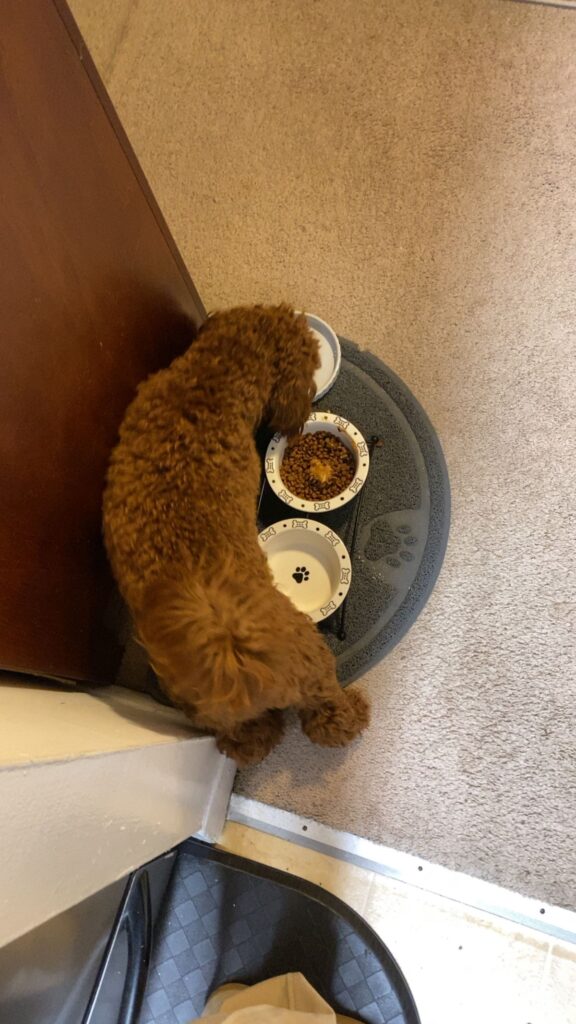
You can begin potty training as soon as your puppy comes home.
Young puppies are still developing bladder and bowel control, so expectations need to match their age.
A very young puppy cannot be expected to hold it for long periods.
Instead of waiting for your puppy to have an accident, take them outside proactively.
Good times for a potty break include:
- Immediately after waking up
- After eating
- After drinking a significant amount of water
- After playing
- After training
- After a nap
- Before bedtime
- Whenever your puppy begins showing signs that they need to go
The more consistently you follow this routine, the easier it becomes for your puppy to understand the pattern.
Create a Consistent Potty Training Schedule
Puppies thrive on predictable routines.
Try to keep meals, naps, playtime, and potty breaks relatively consistent each day.
For example, your morning routine might look like this:
Wake up → Go outside → Praise → Breakfast → Play → Potty break
Later in the day:
Nap → Potty break → Play → Training → Potty break → Rest
The exact schedule will depend on your puppy’s age and individual needs.
The goal isn’t perfection.
The goal is repetition.
Your puppy gradually begins learning that certain activities are followed by a trip outside.
Watch for Potty Signals
One of the most important parts of how to housebreak a puppy is learning to recognize their individual signals.
Some puppies become restless.
Others sniff the floor, circle, wander away from the family, or suddenly stop playing.
You may notice your Cavapoo walking toward the door or looking at you differently.
These behaviors can become easier to recognize as you spend more time together.
When you notice a potential potty signal, take your puppy outside immediately.
Over time, you may even teach your puppy a specific cue for going outside.
Choose One Potty Area
When possible, take your puppy to the same general potty area.
The familiar smells can help your puppy understand what they are supposed to do there.
Keep your cue simple.
You might say something like “go potty” in a calm voice.
Then give your puppy time to sniff and find the right spot.
Try not to turn every potty break into a play session.
Once your puppy finishes, praise them enthusiastically and provide an appropriate reward.
This creates a clear connection:
Outside → Potty → Praise → Reward
Use Positive Reinforcement
Positive reinforcement is one of the most useful tools for puppy training.
When your puppy successfully goes outside, let them know immediately that they did something right.
You can use:
- Verbal praise
- Affection
- A small training treat
- A favorite toy
- A brief play session
Timing matters.
Reward your puppy immediately after they finish rather than several minutes later.
That makes it easier for them to connect the reward with the behavior you want.
Crate Training Can Help
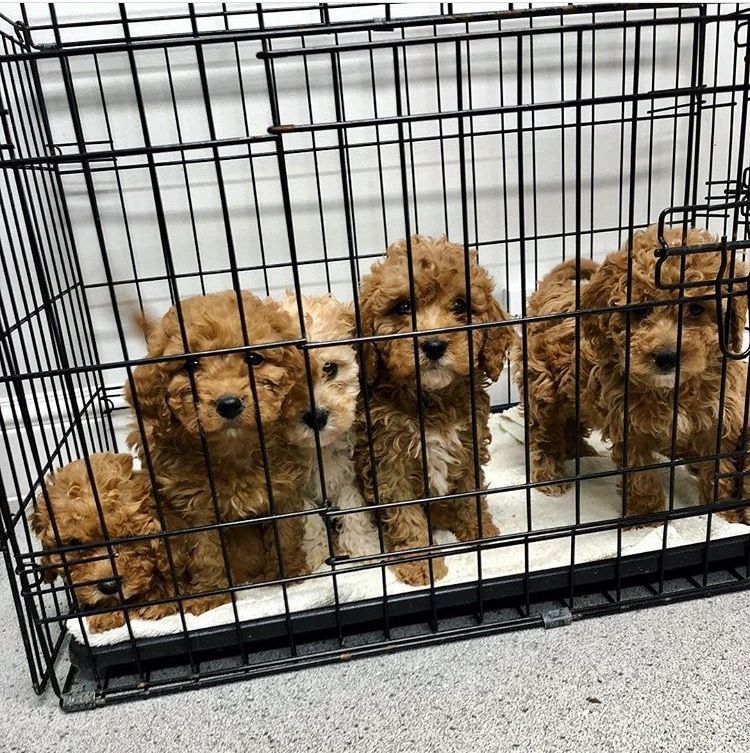
A properly introduced crate can become a useful part of a potty-training routine.
Most puppies naturally prefer not to soil the area where they sleep.
However, a crate should never be used as punishment.
It should be a comfortable, safe space where your puppy can rest.
The crate also gives you a way to manage your puppy when you cannot provide direct supervision.
Just remember that a crate does not replace potty breaks.
Young puppies still need frequent opportunities to go outside.
If you’re also working on crate training, keeping the crate close to your bedroom at night can make nighttime potty trips easier to manage.
Supervision Prevents Accidents
When your puppy is awake and loose in the house, keep an eye on them.
This is especially important during the early stages of housebreaking.
You can keep your puppy in the same room with you or use a safe puppy-proofed area when direct supervision isn’t possible.
The idea is simple:
Prevent the opportunity for accidents whenever you can.
If your puppy starts sniffing, circling, or wandering toward a quiet corner, take them outside.
The fewer opportunities your puppy has to practice going inside, the easier it becomes to establish the right habit.
What Should You Do When Your Puppy Has an Accident?
Accidents are normal.
They don’t mean your puppy is stubborn, unintelligent, or incapable of learning.
If you catch your puppy beginning to eliminate inside, calmly interrupt them and take them outside.
Avoid yelling or punishing them.
Punishment can create fear and may make your puppy less comfortable eliminating in front of you.
Instead, focus on teaching the behavior you want.
If you discover an accident after it has already happened, simply clean the area thoroughly.
Don’t punish your puppy after the fact.
They are unlikely to understand why they are being punished.
Clean Accidents Thoroughly
Dogs have powerful noses.
Even when you cannot smell an old accident, your puppy may still detect the scent.
That’s why thorough cleaning is important.
An enzymatic pet-safe cleaner can help break down the odor and reduce the likelihood that your puppy will return to the same location.
If one area repeatedly becomes an accident spot, consider temporarily blocking access to it while you continue training.
How Long Does Puppy Potty Training Take?
There isn’t a universal timeline.
Some puppies develop reliable habits relatively quickly.
Others need several months of consistent training.
Age, previous training, routine, supervision, individual temperament, and household consistency can all affect the process.
Cavapoos are generally intelligent and people-oriented, but every puppy is an individual.
Don’t compare your puppy’s progress with another puppy’s progress.
Instead, look for gradual improvement.
Fewer accidents are progress.
Longer periods between potty breaks are progress.
Your puppy beginning to signal that they need to go outside is progress.
Nighttime Housebreaking
Nighttime can be one of the more challenging parts of puppyhood.
A young puppy may still need to go outside during the night.
Keep nighttime potty trips calm and boring.
Take your puppy outside, give them an opportunity to eliminate, praise them quietly, and return them to bed.
Avoid turning the middle of the night into playtime.
As your puppy matures and develops better bladder control, nighttime potty breaks should generally become less frequent.
Don’t Expect Too Much Too Soon
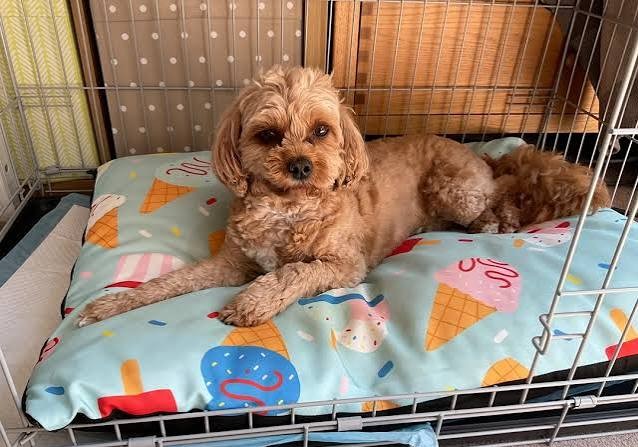
One of the biggest mistakes new puppy owners make is expecting adult-level bladder control from a very young dog.
Your puppy is learning.
They are also growing.
Their ability to hold their bladder will change as they mature.
That means your potty schedule should change with them.
As your puppy becomes more reliable, you can gradually increase the time between bathroom breaks.
But don’t rush the process.
Successful housebreaking is built through hundreds of small repetitions.
Keep Your Cavapoo’s Day Structured
Potty training becomes easier when the rest of your puppy’s day has structure.
Regular meals, naps, exercise, training, and quiet time help create predictable patterns.
For example, if your puppy consistently eats breakfast at the same time, you’ll have a better idea of when they are likely to need a bathroom break afterward.
Likewise, puppies often need to go after waking up or becoming active.
A predictable routine gives you more opportunities to stay ahead of accidents.
What If Your Puppy Suddenly Starts Having Accidents?
If a previously reliable puppy suddenly begins having frequent accidents, don’t automatically assume it’s a training problem.
Changes in routine, stress, diet, or environment can sometimes affect bathroom habits.
Medical issues can also cause changes in elimination.
If you notice a sudden or persistent change, speak with your veterinarian.
Your veterinarian can help determine whether an underlying health issue needs attention.
Housebreaking Your Cavapoo Takes Patience
Potty training isn’t always exciting.
There will probably be early mornings.
There may be accidents on your favorite rug.
You may eventually memorize every spot in the backyard where your puppy prefers to go.
But those repetitive moments are part of raising a puppy.
Each successful trip outside teaches your puppy something.
Each calm response to an accident builds trust.
And each day of consistency brings you closer to having a dog who understands the household routine.
Building Good Habits From the Beginning
At Atlantic Cavapoo Puppies Home, we believe bringing home a puppy is only the beginning of the relationship.
The first weeks are filled with important learning experiences.
Potty training is one of them.
Your puppy is learning where to go, where to sleep, how to interact with people, and how their new family works.
The most successful approach combines patience with consistency.
Don’t expect perfection.
Focus on progress.
Your Cavapoo’s First Training Wins
Housebreaking may seem like a small part of puppyhood, but it teaches an important lesson.
Your puppy learns that good choices lead to positive experiences.
That same approach can continue into other areas of training.
Once your Cavapoo understands basic routines, you can gradually introduce commands, leash skills, socialization, crate training, and other important behaviors.
For more guidance, explore our Cavapoo puppy resources and guides.
And if you’re still researching the breed before bringing one home, our Cavapoo puppies for sale page can help you continue your search.
Helpful Resources for New Cavapoo Owners
Before bringing a puppy home, it’s useful to learn about the other parts of early puppy care too.
- Cavapoo Puppies for Sale — Explore available Cavapoo puppies.
- Cavapoo Health Guarantee — Learn about health-related support and coverage.
- Cavapoo Adoption Process — Understand the steps involved in welcoming your puppy home.
- Cavapoo Breed Guide — Learn more about Cavapoo temperament, care, size, and characteristics.
- American Kennel Club: Housetraining Your Puppy — Additional professional guidance on puppy potty training.
- AVMA: Pet Ownership Resources — Veterinary resources covering responsible pet care and puppy health.
