Full Grown Cavapoo Guide, Cavapoo Breed Information
Helpful Tips on Licensing for Dog Breeders: What You Need to Know
Aug
Dog Breeder Licensing: What Responsible Breeders Need to Know
Starting or operating a dog breeding program involves much more than raising healthy puppies and finding them loving homes. Responsible breeders also need to understand the laws that may apply to their breeding operation.
Depending on where you live, how many dogs you keep, how you sell puppies, and whether you transport animals, you may have federal, state, county, or city requirements to follow.
This is especially important when selling puppies online or arranging transportation to buyers in another location.
Dog breeder licensing requirements are not the same everywhere. Federal rules under the Animal Welfare Act can apply to certain breeders and dealers, while individual states and local governments may have additional licensing, registration, zoning, veterinary, recordkeeping, or animal-welfare requirements.
This guide provides a general overview. It is not legal advice, and breeders should confirm the rules that apply to their specific operation before selling puppies (USDA dog breeder license).
Do All Dog Breeders Need a USDA License?
No. Not every dog breeder automatically needs a USDA license.
The United States Department of Agriculture (USDA), through its Animal and Plant Health Inspection Service (APHIS), regulates certain animal businesses under the federal Animal Welfare Act (AWA).
Whether a breeder needs a federal license depends on the breeder’s activities and whether those activities fall within the AWA’s regulated definitions.
The USDA specifically provides a Licensing and Registration Assistant that breeders can use to determine whether their business may require a license or registration. The tool asks questions about the animals, business activities, sales, and other circumstances.
USDA APHIS Licensing and Registration Assistant
Because the rules can depend on the exact circumstances, breeders should use the USDA’s current guidance rather than relying on a simple numerical rule (dog breeding license).
When Can the Animal Welfare Act Apply?
The Animal Welfare Act can apply to people and businesses involved in regulated animal activities conducted for compensation or profit.
For dog breeders, the details can become particularly important when puppies are sold through certain commercial arrangements or when animals are transported as part of regulated commerce.
USDA guidance explains that a dealer can include someone who, in commerce and for compensation or profit, buys, sells, or negotiates the purchase or sale of regulated animals.
However, there are exemptions and exceptions within the federal framework.
That means simply saying “I sell puppies, so I need a USDA license” is not always correct.
Likewise, saying “I have fewer than four breeding females, so I never need a USDA license” is too broad.
The safest approach is to evaluate the actual activities of your breeding business using current USDA guidance (puppy breeder license).
USDA APHIS Animal Welfare Act Licensing Information
Do In-Person Puppy Sales Change the Licensing Requirements?
They can.
Federal regulations contain exemptions involving certain direct retail sales where the buyer, seller, and animal are physically present.
For example, USDA guidance has historically distinguished certain direct, in-person sales from transactions where animals are sold without the buyer seeing the animal in person.
However, the exact circumstances matter.
If you advertise puppies online and a buyer travels to your property, that does not automatically mean every other aspect of your business is exempt from regulation.
Likewise, if you sell puppies to another business, broker, pet store, or other intermediary, different federal requirements may apply (USDA breeder requirements).
Responsible breeders should evaluate the entire transaction rather than relying on one factor.
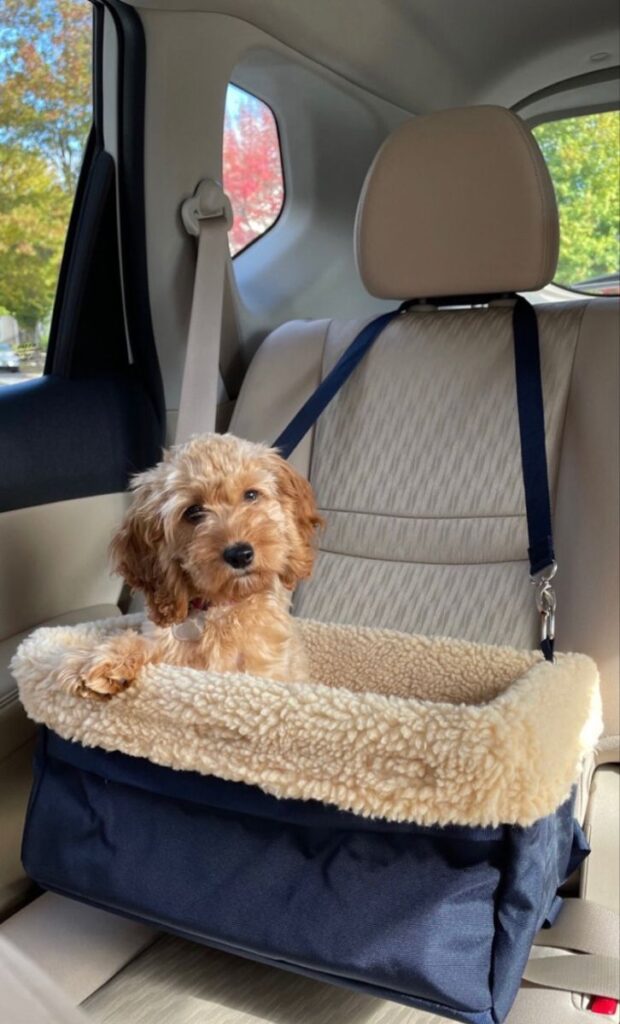
What About Transporting Puppies to Buyers?
Transportation is another area where breeders should be careful.
The original version of this article stated that transporting any puppy to a customer automatically means a USDA license is required. That is too broad.
Federal licensing requirements depend on the nature of the transaction, the breeder’s business activities, and whether the activity falls under the Animal Welfare Act.
If your breeding business routinely arranges transportation, ships puppies, uses commercial carriers, sells puppies sight unseen, or conducts transactions across state lines, it is particularly important to determine whether federal requirements apply.
Before arranging transportation, check the current USDA requirements and any state laws that apply to the destination.
USDA APHIS Animal Welfare Act Resources
For breeders who regularly deliver puppies to buyers in different states, professional legal advice can also help clarify the applicable requirements (dog breeder licensing).
What Is a USDA Class A License?
A Class A license generally applies to a dealer whose business consists of animals bred and raised on the premises, together with animals acquired for maintaining or enhancing the breeding colony.
In practical terms, the Class A category is associated with breeding operations that breed and raise their own animals.
The USDA’s current materials provide the legal definitions and licensing information for Class A and Class B businesses.
USDA Animal Welfare Act Regulations and Definitions
If you believe your operation may fall under federal licensing requirements, review the current USDA requirements rather than relying solely on general descriptions found online (USDA dog breeder license).
What Is a USDA Class B License?
A Class B license generally applies to a dealer whose business includes purchasing and/or reselling animals.
This category can also include brokers and certain businesses that negotiate or arrange transactions involving regulated animals.
The distinction is important because a breeder who only breeds and raises their own puppies may have a different regulatory classification from a business that purchases puppies from other breeders and resells them.
The USDA Animal Welfare Inspection Guide explains the distinction between Class A and Class B licensees (dog breeding license).
USDA Animal Welfare Inspection Guide
What About State Dog Breeder Licensing?
Federal requirements are only one part of the picture.
State laws can be completely different from federal requirements.
Some states regulate commercial breeders based on factors such as:
- Number of breeding females
- Number of dogs maintained
- Number of litters produced
- Number of puppies sold
- Annual sales
- Whether puppies are sold directly to consumers
- Whether puppies are sold to pet stores or brokers
- Whether the breeder operates commercially
- Housing and facility conditions
- Veterinary care
- Recordkeeping
- Inspections
- Local permits
Some states also have pet purchaser protection laws that establish requirements involving health records, disclosures, veterinary examinations, refunds, warranties, or remedies.
Therefore, a breeder should never assume that meeting a federal exemption means the business automatically complies with state or local law.
The Animal Legal & Historical Center maintains comparative information covering commercial pet breeder laws across the United States (puppy breeder license).
State Commercial Pet Breeder Laws — Animal Legal & Historical Center
Don’t Forget County and City Requirements
State law isn’t necessarily the end of the process.
Depending on your location, your county or municipality may have additional requirements involving:
- Kennel permits
- Business licenses
- Zoning
- Number of animals allowed
- Noise regulations
- Facility requirements
- Animal-control registration
- Waste management
- Property-use restrictions
For example, someone may legally be allowed to breed dogs under state law but still have a zoning restriction that limits the number of animals that can be maintained on a residential property.
Before expanding a breeding program, contact the appropriate local authorities and confirm the rules that apply to your property.
What Does a Responsible Breeder Need to Keep Track Of?
Licensing is only one part of responsible breeding.
Even when a particular breeder does not need a USDA license, maintaining organized records is an important part of running a professional breeding program.
Consider keeping accurate records for:
Puppy Identification
Maintain information identifying each puppy, including its:
- Date of birth
- Sex
- Breed or mix
- Color and markings
- Microchip information, when applicable
- Parent information
Veterinary Records
Keep documentation relating to:
- Veterinary examinations
- Vaccinations
- Deworming
- Preventive care
- Health testing
- Medications
- Treatments
Providing appropriate health documentation also helps buyers understand the puppy’s medical history.
You can learn more about responsible puppy preparation through our [Puppy Adoption Process] and health resources.
Sales Records
Maintain documentation of:
- Buyer information
- Puppy identification
- Purchase price
- Deposit information
- Payment records
- Date of sale
- Sales agreement
- Health guarantee
- Vaccination records
- Transfer information
Good documentation can help prevent misunderstandings between breeders and puppy buyers.
Health Guarantees and Puppy Sale Contracts
A responsible breeder should clearly explain the terms of a puppy sale before the transaction is completed.
A written puppy contract can cover important matters such as:
- Puppy identification
- Purchase price
- Payment terms
- Health guarantee
- Veterinary examination requirements
- Vaccination records
- Return policies
- Spay/neuter requirements
- Breeding rights
- Transportation arrangements
- Buyer responsibilities
Your health guarantee should be written clearly enough that the buyer understands exactly what is and is not covered.
Atlantic Cavapoo Health Guarantee
A written agreement can also protect the breeder and the puppy by establishing clear expectations from the beginning.
Why Responsible Breeders Should Understand Puppy-Sale Laws
Responsible breeding isn’t simply about producing puppies.
It involves making sure that puppies are:
- Raised in a safe environment
- Properly socialized
- Appropriately examined by a veterinarian
- Given age-appropriate preventive care
- Matched with suitable families
- Transferred with appropriate documentation
- Supported after going home
Understanding applicable laws helps breeders operate responsibly and reduces the risk of avoidable disputes.
It also demonstrates to prospective buyers that the breeder takes animal welfare and professional standards seriously.
Does Selling Puppies Online Change the Rules?
Advertising puppies online does not by itself determine whether a breeder needs a USDA license.
The important question is what the breeder actually does.
For example, consider whether you:
- Breed and raise your own puppies
- Purchase puppies from other breeders
- Resell puppies
- Sell puppies directly to consumers
- Sell puppies sight unseen
- Use brokers
- Sell to pet stores
- Arrange transportation
- Transport puppies yourself
- Ship puppies across state lines
These details can affect which rules apply.
If you sell Cavapoo puppies online, make sure your advertising accurately represents the puppies, their health status, location, availability, and the terms of purchase.
What Should You Do Before Starting a Breeding Business?
If you’re planning to start breeding dogs commercially, don’t wait until after your first litter to investigate licensing.
A better approach is to create a compliance checklist before you begin.
Start with the USDA
Use the USDA APHIS Licensing and Registration Assistant to determine whether federal licensing or registration may apply.
USDA APHIS Licensing & Registration Assistant
Check Your State
Research your state’s commercial breeder, kennel, animal welfare, pet sale, and consumer protection laws.
State-by-State Commercial Pet Breeder Laws
Check Your Local Government
Contact your county or city to determine whether you need:
- A kennel license
- A business license
- Zoning approval
- An animal permit
- A facility inspection
- Other local approvals
Talk With Your Veterinarian
Your veterinarian can help establish an appropriate health and preventive-care program for your breeding dogs and puppies.
Consider Legal Advice
Because breeding and puppy-sale laws vary significantly by location, a qualified attorney can help you understand the rules that apply to your specific operation.
What Happens If You Ignore Licensing Requirements?
Failure to comply with applicable licensing or animal-welfare laws can create serious problems.
Depending on the law involved, consequences can include:
- Fines
- Enforcement actions
- Inspections
- License suspension
- License revocation
- Restrictions on operating
- Civil disputes
- Consumer complaints
The consequences vary considerably depending on the jurisdiction and the specific violation.
That is why responsible breeders should focus on compliance before problems arise.
Licensing Is Part of Responsible Dog Breeding
A license alone doesn’t make someone a responsible breeder.
Likewise, not needing a particular license does not mean a breeding operation has no legal or ethical responsibilities.
Responsible breeding means taking a complete approach to puppy welfare.
That includes appropriate health testing, veterinary care, socialization, safe housing, accurate records, transparent communication, responsible buyer screening, and appropriate contracts.
For Cavapoo families, the goal should always be the same: healthy puppies, informed buyers, and lifelong homes.
If you’re looking for a Cavapoo puppy, you can explore our [Available Cavapoo Puppies] and learn more about our approach to puppy care and placement.
You can also learn more about what to expect when bringing a puppy home through our [Puppy Adoption Process].
Frequently Asked Questions About Dog Breeder Licensing
Do all dog breeders need a USDA license?
No. USDA licensing depends on whether the breeder’s activities fall under the Animal Welfare Act and whether an exemption applies. The USDA recommends using its Licensing and Registration Assistant to determine whether federal licensing may be required.
Does having four breeding females automatically exempt a breeder from USDA licensing?
No. This should not be treated as a universal rule. Federal exemptions depend on the specific circumstances and activities of the business. Breeders should use current USDA guidance rather than relying on a simple breeding-female threshold.
Do I need a license to sell puppies directly to families?
Not necessarily a USDA license. Certain direct, in-person transactions can qualify for exemptions under the Animal Welfare Act. However, state and local laws may still require licensing, permits, registration, or compliance with other requirements.
Do I need a USDA license if I sell puppies online?
Selling or advertising puppies online does not by itself determine whether a USDA license is required. The underlying sales activity and circumstances are what matter.
Does transporting a puppy automatically require a USDA license?
No. Transportation should not be treated as an automatic licensing trigger in every situation. The applicable federal rules depend on the specific business activity and circumstances.
What is a Class A USDA license?
A Class A license generally applies to a regulated dealer whose business consists of animals bred and raised on the premises, along with certain animals acquired for maintaining or enhancing the breeding colony.
What is a Class B USDA license?
A Class B license generally applies to a regulated dealer whose business includes purchasing and/or reselling animals. Brokers and certain other animal-sale businesses can also fall within this category.
Are state breeder laws different from USDA requirements?
Yes. Federal USDA requirements and state or local laws are separate regulatory systems. A breeder should check all applicable levels of government.
Do I need a local kennel permit?
Possibly. Requirements vary by county and municipality. Some locations regulate the number of dogs kept on a property or require kennel, zoning, or business permits.
Where can I check my state’s breeder laws?
The Animal Legal & Historical Center provides comparative tables covering commercial pet breeder laws and other animal-related laws across the United States.
Important Legal Disclaimer
This article provides general educational information about dog breeder licensing in the United States. It is not legal advice and does not determine whether a particular breeder needs a license, registration, permit, or other authorization.
Federal, state, county, and municipal requirements can change and may depend on the breeder’s location, number of animals, sales practices, transportation arrangements, business structure, and other circumstances.
Before starting or expanding a breeding operation, consult the appropriate government agencies and, when necessary, a qualified attorney familiar with animal-business laws in your jurisdiction.
