Full Grown Cavapoo Guide, Cavapoo Care Guide
Keeping the Holidays Happy, Healthy, and Safe With Your Dog
Aug
The holidays are a wonderful time for family, friends, delicious meals, and memorable moments with your dog.
However, holiday gatherings can also create unexpected risks for curious pups.
A plate left on a coffee table can become an irresistible target. A dropped piece of chocolate can disappear in seconds. Even seemingly harmless leftovers may contain ingredients that are unsafe for dogs.
Knowing which holiday foods for dogs are safe can help you enjoy the season without unnecessary worry.
The most important rule is simple: when you are unsure about a food, do not share it with your dog.
Dogs have different nutritional needs from humans. Their size, age, health, and individual sensitivities can also affect what they tolerate (safe holiday foods for dogs).
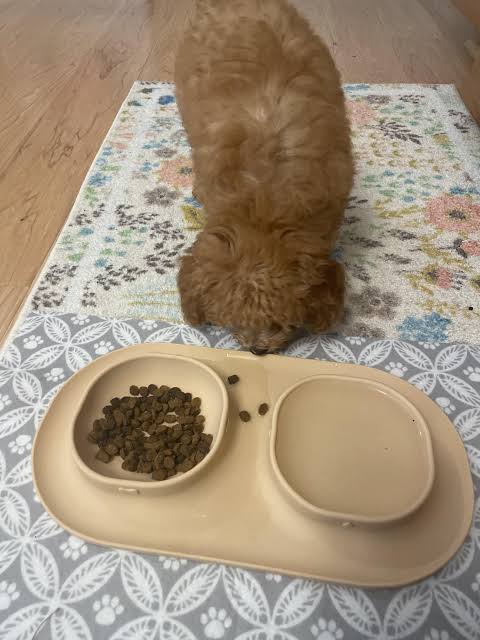
Before introducing new foods, speak with your veterinarian.
Can Dogs Eat Holiday Foods?
Some simple, unseasoned foods can be appropriate for dogs in small portions.
The safest choices are generally plain, cooked ingredients without bones, excessive fat, sauces, spices, onions, garlic, or artificial sweeteners.
Remember that treats should remain a small part of your dog’s overall diet.
If you want to prepare your home for a new puppy, our Cavapoo puppies for sale page is a helpful place to start exploring your next furry family member (foods dogs should not eat).
Safe Holiday Foods for Dogs
Several traditional holiday ingredients can make occasional dog-friendly treats.
The key is plain preparation and moderation.
Plain Turkey
Plain, fully cooked turkey can be an appropriate occasional treat for many dogs.
Remove the skin and visible fat before offering a small amount.
Most importantly, never give your dog cooked turkey bones.
Cooked bones can become brittle and splinter. Pieces may cause choking or injuries to the digestive tract.
Avoid turkey covered with gravy, stuffing, heavy seasoning, butter, or sauces.
A tiny piece of plain turkey is very different from a plate of Thanksgiving leftovers (toxic foods for dogs).
Plain Sweet Potatoes
Plain, cooked sweet potato can provide fiber and nutrients.
Serve it without butter, marshmallows, brown sugar, or heavy seasoning.
Avoid sweet potato casseroles because they often contain ingredients your dog does not need.
A small portion of plain sweet potato is a much safer choice.
Plain Pumpkin
Plain pumpkin can be an occasional addition to your dog’s diet.
Choose 100% plain pumpkin rather than pumpkin pie filling.
Pumpkin pie filling may contain added sugar, spices, dairy, and other ingredients.
Some sugar-free products may also contain xylitol, which is extremely dangerous for dogs.
The FDA warns that xylitol poisoning can cause rapid and potentially life-threatening problems in dogs (dog holiday safety tips).
Green Beans
Plain green beans can be a low-calorie treat for many dogs.
Fresh or lightly cooked green beans are preferable to heavily seasoned versions.
Avoid green bean casserole.
Traditional casserole recipes may contain onions, garlic, butter, cream, salt, or other ingredients that are not appropriate for dogs (holiday foods for dogs).
Carrots
Plain carrots can be a crunchy holiday treat.
They can be served raw or cooked, depending on your dog’s size and chewing ability.
Cut larger pieces into appropriately sized portions for smaller dogs.
Avoid serving carrots covered in butter, sauces, sugar, or seasoning.
Broccoli
Small amounts of plain broccoli can be offered to many dogs.
However, large portions may cause digestive upset.
Skip cheese sauces, butter, garlic, and other seasonings.
Simple is usually better when sharing human food with your dog.
Plain Mashed Potatoes
A small amount of plain mashed potato may be suitable for some dogs.
However, traditional holiday mashed potatoes often contain butter, cream, milk, salt, garlic, or other seasonings.
Those additions can make the dish much less appropriate for your pup.
If your dog has dietary sensitivities, ask your veterinarian before offering dairy or other new ingredients.
Cranberries
Plain cranberries can be offered in small quantities.
Avoid cranberry sauce and cranberry jelly.
These products can contain substantial amounts of added sugar.
Some prepared foods may also contain ingredients that are unsuitable for dogs.
Plain Cooked Rice
Plain cooked rice can be an occasional simple food for some dogs.
Keep it free from butter, salt, garlic, onions, sauces, and heavy seasoning.
Portion size matters, especially for smaller dogs.
Holiday Foods Dogs Should Not Eat
The holidays create many opportunities for dogs to accidentally consume dangerous foods.
Some ingredients can cause digestive problems.
Others can cause serious poisoning or require emergency veterinary treatment.
The ASPCA specifically identifies foods such as grapes, raisins, onions, garlic, macadamia nuts, xylitol, and other human foods as potential dangers for pets.
Here are some important foods to avoid feeding dogs during holiday celebrations.
Turkey Bones
Never give your dog cooked turkey bones.
Cooked bones can splinter and create choking or digestive tract hazards.
The safest option is to keep all cooked bones away from your dog.
This includes bones discarded in kitchen trash cans.
A determined dog may find a way into the garbage when nobody is watching.
Fatty Foods
Holiday meals often contain more fat than a dog’s normal diet.
Turkey skin, fatty meat, ham, bacon, gravy, butter, and rich sauces can all add significant amounts of fat.
Large amounts of fatty foods can contribute to digestive problems and may increase the risk of pancreatitis.
Keep your dog’s holiday treats simple and portion-controlled.
Onions and Garlic
Onions, garlic, and related ingredients should not be treated as harmless seasonings for dogs.
They can cause gastrointestinal irritation and damage red blood cells.
The ASPCA specifically lists onions, garlic, and chives among foods that can be dangerous for pets (safe holiday foods for dogs).
Be especially careful with:
- Stuffing
- Gravy
- Sauces
- Seasoned meat
- Mashed potatoes
- Casseroles
- Holiday soups
These foods may contain onions or garlic even when you cannot see them.
Stuffing
Traditional stuffing is best kept away from your dog.
Recipes often include onions, garlic, butter, herbs, salt, and other seasonings.
Some stuffing recipes may also contain ingredients that create additional risks.
Instead of sharing stuffing, give your dog a small piece of plain, cooked turkey if your veterinarian agrees (foods dogs should not eat).
Rich Gravies and Sauces
Gravy may smell irresistible to your dog.
Unfortunately, it can contain excessive fat, salt, dairy, onions, garlic, and seasonings.
A small amount of plain food is safer than pouring gravy over your dog’s dinner.
Chocolate
Chocolate is one of the most important holiday foods to keep away from dogs.
Chocolate products can cause serious problems in dogs.
The risk depends on factors such as the type and amount of chocolate consumed and the dog’s size.
Keep chocolate bars, cookies, brownies, candy, and desserts completely out of reach.
The ASPCA reports that chocolate remains a significant source of pet poison exposures, particularly among dogs.
Xylitol
Xylitol deserves special attention.
It is a sweetener found in some sugar-free products, candy, baked goods, gum, and other products.
It can cause dangerous drops in blood sugar and other serious complications in dogs.
The FDA notes that xylitol may also be called birch sugar or wood sugar.
Always check labels before giving your dog a human food product.
When a product contains xylitol, keep it completely away from your dog.
If you suspect your dog has eaten xylitol, contact your veterinarian or an emergency veterinary facility immediately (toxic foods for dogs).
Grapes and Raisins
Grapes and raisins should never be considered safe holiday treats for dogs.
They can cause kidney damage in dogs.
Watch for them in:
- Fruit salads
- Desserts
- Cookies
- Cakes
- Bread
- Trail mixes
- Holiday snack trays
The ASPCA advises avoiding grapes and raisins because exposure can result in kidney damage.
Macadamia Nuts
Macadamia nuts can be dangerous for dogs.
They may cause weakness, vomiting, coordination problems, tremors, and other symptoms.
Keep mixed nuts and holiday snack bowls away from your dog.
Remember that dogs do not need human snack foods to enjoy the holidays (dog holiday safety tips).
Alcohol
Alcohol should never be given to dogs.
Keep wine, beer, cocktails, liquor, alcoholic desserts, and other alcoholic products away from curious pets.
An unattended glass on a low table can become an unexpected hazard.
Clean up spills immediately.
Spicy and Heavily Seasoned Foods
Dogs do not need heavily seasoned holiday food.
Spices, salt, butter, sauces, and rich ingredients can cause digestive upset.
Some seasonings may also contain onions or garlic.
When sharing food, choose plain ingredients instead.
Keep Holiday Desserts Away From Your Dog
Desserts can be especially dangerous because they may contain multiple problematic ingredients.
Holiday cookies, cakes, pies, brownies, and candies can contain:
- Chocolate
- Xylitol
- Raisins
- Macadamia nuts
- Excessive sugar
- Butter
- Cream
- Alcohol
- Other ingredients unsuitable for dogs
A dessert does not need to taste dangerous to your dog to be dangerous.
Keep dessert tables elevated or behind a closed door (holiday foods for dogs).
This is particularly important when children are present.
Be Careful With Holiday Leftovers
Holiday leftovers can create another common problem.
After dinner, you may be tempted to give your dog a plate of leftovers.
Instead, separate a small amount of appropriate plain food before seasoning or adding sauces.
For example, plain turkey can be separated before gravy is added.
This gives your dog a special treat without exposing them to the entire holiday meal.
Avoid feeding leftovers directly from plates.
Guests may not know which ingredients are dangerous.
They may also accidentally give your dog too much food.
Tell Holiday Guests Not to Feed Your Dog
One of the easiest ways to prevent accidental poisoning is to communicate with guests.
Before the meal begins, let everyone know that your dog should not receive table scraps.
This is particularly important when children are visiting.
Kids may think sharing food is a kind gesture.
Unfortunately, they may not know which foods can hurt a dog.
Create a simple household rule:
Only the designated person should give the dog human food.
This makes it easier to control what your pup consumes.
Secure the Trash During Holiday Gatherings
Your trash can may smell like a holiday buffet to your dog.
Turkey bones, food wrappers, chocolate packaging, greasy leftovers, and other dangerous items may end up inside.
Use a secure trash container.
Do not leave garbage bags on the floor.
Keep food scraps away from countertops and other places your dog can reach.
This simple precaution can prevent a midnight garbage raid.
Watch the Kitchen During Holiday Cooking
The kitchen becomes a high-traffic area during holiday celebrations.
Hot pans, sharp utensils, dropped food, and open ovens can all create risks.
Keep your dog away from cooking areas when necessary.
Use baby gates or another safe barrier if your puppy is especially curious.
This can be particularly helpful for young puppies who are still learning household boundaries.
If you are preparing for a new puppy, our Essential Puppy Checklist can also help you think through the supplies and safety preparations needed before bringing your new companion home.
What Should You Do If Your Dog Eats Something Dangerous?
If your dog eats a potentially toxic food, do not wait for symptoms before seeking professional guidance.
Contact your veterinarian or an emergency veterinary clinic.
The FDA recommends contacting your veterinarian when your pet gets into something potentially dangerous.
When possible, keep the food packaging available.
The veterinarian may need information about:
- What your dog ate
- How much was eaten
- When it happened
- Your dog’s approximate weight
- Your dog’s age
- Any symptoms currently present
Do not attempt to treat poisoning yourself unless a veterinary professional specifically instructs you to do so.
Holiday Safety Goes Beyond Food
Food is only one part of holiday dog safety.
Decorations, candles, electrical cords, plants, gifts, wrapping materials, and small children’s toys can also create hazards.
Keep decorations out of reach.
Secure electrical cords.
Do not allow your dog to chew wrapping paper, ribbons, or gift packaging.
Be especially careful with ribbons and string because swallowed materials can create serious digestive problems.
A little preparation can make your holiday much safer.
Give Your Dog a Safe Holiday Space
Holiday gatherings can become overwhelming for some dogs.
Your home may suddenly be filled with unfamiliar people, children, sounds, smells, and activity.
Give your dog access to a quiet area where they can relax.
A crate, playpen, separate room, or comfortable bed can provide a peaceful retreat.
Make sure your dog has access to fresh water.
Allow them to move away from guests when they need space.
This can help your dog enjoy the celebration without becoming overstimulated.
For additional puppy-care guidance, you can also explore our Cavapoo puppy resources and care information.
Make the Holidays Special Without Sharing the Dinner
Your dog does not need a plate of holiday leftovers to feel included.
You can create safer traditions instead.
Try giving your pup:
- A veterinarian-approved dog treat
- A new puppy-safe toy
- A favorite chew
- A short outdoor walk
- A fun training session
- Extra playtime
- A cozy nap beside the family
These activities create memories without adding unnecessary dietary risks.
A Simple Holiday Food Safety Rule
When deciding whether to share something from your holiday plate, ask three questions:
Is it plain?
Is it free from toxic ingredients?
Has my veterinarian confirmed that it is appropriate for my dog?
If the answer is unclear, skip it.
Your dog will not feel left out because they missed the stuffing.
They will be much happier spending the holidays safely beside you.
Final Holiday Safety Tips for Dog Parents
The holidays should be enjoyable for every member of your family, including your dog.
Keep dangerous foods secured.
Give guests clear instructions.
Secure the trash.
Keep chocolate and sugar-free products out of reach.
Never give cooked bones.
Avoid onions, garlic, grapes, raisins, macadamia nuts, alcohol, and xylitol.
Keep your dog’s regular feeding routine whenever possible.
Introduce new foods cautiously.
Most importantly, contact your veterinarian promptly if your dog eats something potentially dangerous.
For a comprehensive reference, the ASPCA’s guide to people foods that should be avoided for pets provides additional information about potentially dangerous foods. The FDA’s holiday pet-safety guidance also covers common holiday hazards, including chocolate, xylitol, and alcohol.
A Happy Holiday From Atlantic Cavapoo Puppies Home
At Atlantic Cavapoo Puppies Home, we believe responsible puppy ownership continues long after bringing your puppy home.
Good nutrition, preventive veterinary care, safe surroundings, training, grooming, and plenty of love all contribute to a happy life together.
Whether you are preparing for your first puppy or already have a four-legged family member, thoughtful preparation can make every season safer and more enjoyable.
If you’re ready to welcome a Cavapoo into your family, explore our available Cavapoo puppies and learn more about responsible puppy care before taking the next step.
Happy holidays from our family to yours!
Author
Angela Butterfield
Angela Butterfield is a seasoned writer, lifestyle blogger, and lifelong dog lover. She has raised everything from lovable mixed breeds to polished purebreds. At Atlantic Cavapoo Puppies Home, she shares practical tips about puppy preparation, daily care, grooming, training, nutrition, and life with a four-legged companion.
