Cavapoo Training Guide, Grooming Guide
New Puppy, New Training Routine: Cavapoo Puppy Training Tips for New Owners
Aug
Bringing home a new Cavapoo puppy is an exciting experience, but it also comes with plenty of questions (Cavapoo Puppy Training Tips for New Owners).
How often should you train your puppy? What should you teach first? How long should training sessions last? And how can you fit puppy training into a busy daily routine?
The good news is that Cavapoo puppy training does not need to be complicated.
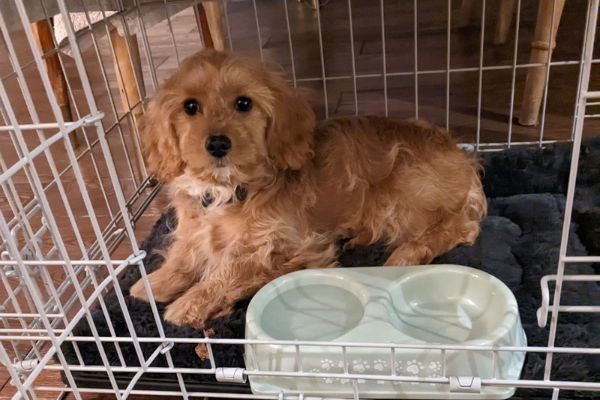
Young puppies learn through repetition, consistency, positive experiences, and everyday interactions with the people around them. By establishing a simple training routine from the beginning, you can help your Cavapoo develop good habits while building a stronger relationship with your new companion.
Whether you are bringing home a Toy Cavapoo, Mini Cavapoo, or another Cavapoo size, the first few months provide valuable opportunities to teach skills that can make everyday life easier.
Why Is a Puppy Training Routine Important?
A consistent puppy training routine helps your Cavapoo understand what you expect from them.
Young puppies are still learning how the world works. They do not automatically know where to potty, how to walk politely on a leash, when to settle down, or which household behaviors are appropriate.
Training gives them clear information.
A predictable routine can also help puppies feel more secure in their new environment. When meals, potty breaks, naps, playtime, and short training sessions happen consistently, your puppy begins to understand what comes next.
For Cavapoo puppies, early training can be especially useful because these dogs are often highly social and closely connected to their families. Teaching independence, calm behavior, handling, recall, and basic manners early can help create a more confident adult dog.
Training is also about much more than teaching commands.
A well-trained puppy is easier to handle during veterinary appointments, grooming sessions, car rides, and other everyday situations.
Training Is About Communication, Not Just Commands
It can be fun to teach your Cavapoo impressive tricks.
A puppy that can sit, shake, spin, or play dead may certainly impress your friends. However, the most valuable training skills are often the ones that make everyday life safer and more comfortable.
For example, teaching a reliable recall can help your puppy return to you when called.
Teaching your puppy to accept gentle handling can make future veterinary examinations and grooming much easier.
Teaching your Cavapoo to relax in a crate can make travel and short periods of confinement less stressful.
You can also teach your puppy to cooperate with everyday care such as nail trimming, brushing, bathing, and ear cleaning.
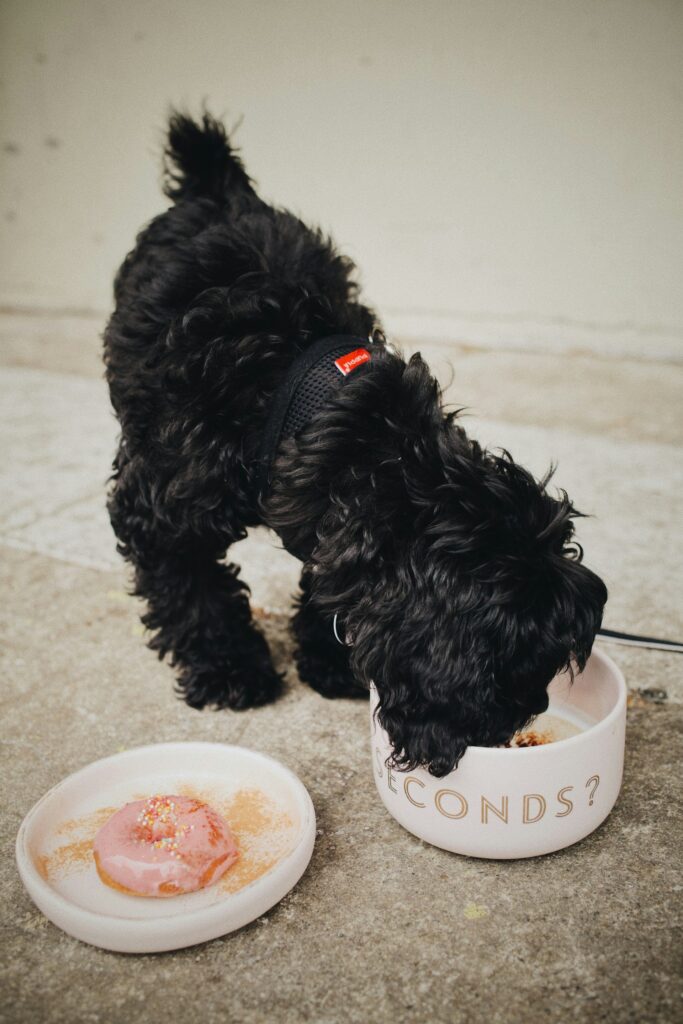
These skills are particularly important for Cavapoos because their soft, often curly or wavy coats require regular grooming.
Training should therefore be viewed as a way of teaching your puppy how to live comfortably with humans, rather than simply teaching a list of commands.
Keep Cavapoo Puppy Training Short and Positive
One of the biggest mistakes new puppy owners make is expecting too much from a very young puppy.
Puppies have short attention spans and limited frustration tolerance. Asking a young puppy to concentrate for twenty or thirty minutes can quickly turn training into a frustrating experience.
Instead, keep early sessions extremely short.
For a young Cavapoo, you might begin with one or two minutes of focused training. You can repeat these short sessions several times throughout the day.
For example, you could practice:
- Sitting before meals
- Coming when called
- Looking at you when their name is called
- Walking a few steps beside you
- Entering the crate
- Accepting gentle handling
- Settling calmly
- Going outside for potty breaks
The goal is not to exhaust your puppy.
The goal is to create many successful learning experiences.
When your puppy responds correctly, reward them immediately with praise, a small training treat, play, or another reward they enjoy.
Over time, your Cavapoo can gradually handle longer periods of learning.
Choose the Right Time to Train: Cavapoo Puppy Training Tips for New Owners
Training is much easier when your puppy is in a good state for learning.
A tired, hungry, overstimulated, or frustrated puppy may struggle to concentrate.
Watch your puppy’s behavior and learn their daily rhythm.
After your Cavapoo wakes from a nap, for example, you may have an excellent opportunity for a quick potty break followed by a short training session.
You can also incorporate training into everyday activities.
Ask your puppy to sit before putting down their food.
Reward them for calmly entering their crate.
Practice their name while playing.
Reward them for choosing a toy instead of chewing something inappropriate.
These small moments add up.
Instead of thinking that you must schedule one large training session every day, look for opportunities to teach throughout your normal routine.
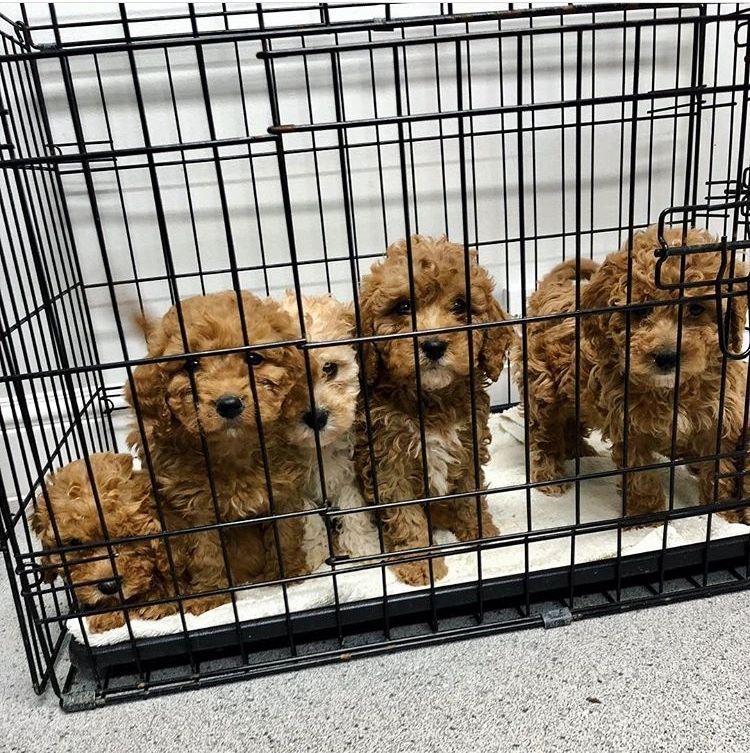
How to Fit Puppy Training Into a Busy Schedule
New puppy owners often worry that they do not have enough time to train.
The reality is that you do not need hours of free time.
A simple routine can make training much easier.
Start With a Small Daily Plan
Choose a few behaviors that matter most.
For example, during the first weeks you might prioritize:
Morning: potty training and name recognition.
Midday: recall and handling.
Afternoon: crate training and calm behavior.
Evening: leash practice and settling.
Each session can be very short.
Consistency is more important than marathon training sessions.
Keep Training Supplies Ready
Keep a small supply of training treats and toys where you commonly spend time with your puppy.
This makes it easier to reward good behavior immediately.
You should not have to search through the kitchen every time your puppy does something worth reinforcing.
Have a Goal Before Each Session
Know what you want to teach before you begin.
For example, if today’s goal is recall, focus on getting your puppy to come toward you when called.
If today’s goal is handling, practice gently touching their paws, ears, collar, and body.
A clear objective helps prevent training from becoming confusing.
The Most Important Skills to Teach Your New Cavapoo
Not every behavior needs to be taught at the same time.
Early puppy training should prioritize skills that improve safety, communication, handling, and independence.
1. Recall
A reliable recall is one of the most important skills your puppy can learn.
Start indoors in a quiet environment.
Call your Cavapoo’s name followed by a simple recall cue. When your puppy comes toward you, reward them enthusiastically.
Do not repeatedly call your puppy when you cannot reinforce the behavior.
You want your puppy to learn that coming to you is worthwhile.
As the behavior becomes reliable, gradually practice in more distracting environments.
2. Name Recognition
Your puppy should learn that their name predicts something positive.
Say your puppy’s name in a cheerful voice.
When they look toward you, immediately reward them.
Repeat this throughout the day.
This simple exercise can become the foundation for future communication.
3. Body Handling
Cavapoos need regular grooming and routine veterinary care.
That means your puppy should become comfortable with gentle handling from an early age.
Briefly touch their paws.
Look at their ears.
Touch their tail.
Gently examine their mouth.
Run your hands through their coat.
Always keep these experiences calm and positive.
Do not force your puppy through handling sessions when they are frightened. Instead, make the experience easier and reward small steps toward cooperation.
4. Crate Training
A crate can give your Cavapoo a safe place to rest while helping with house training and routine building.
Introduce the crate gradually.
Reward your puppy for approaching it, entering it, and relaxing inside.
Avoid using the crate as punishment.
Your goal is for your puppy to view the crate as a comfortable, predictable place.
5. Learning to Be Alone
Cavapoos are often very people-oriented dogs.
That makes independence training particularly important.
Your puppy should gradually learn that being separated from you for short periods is safe.
Begin with very brief periods of separation while your puppy is calm.
You can gradually increase the duration as your puppy becomes comfortable.
The objective is not to suddenly leave your puppy alone for hours.
Instead, teach independence in small, successful steps.
6. Nail Trimming
Nail care is another skill worth introducing early.
Begin by simply touching your puppy’s paw.
Reward them.
Later, briefly touch the nail with the trimmer without actually cutting.
Reward again.
Gradually build toward trimming one nail at a time.
This approach can help your Cavapoo learn that nail care does not have to be frightening.
7. Car Rides
Your puppy will likely need to travel for veterinary appointments, grooming, family trips, and other activities.
Start with short, positive car experiences.
Use an appropriately secured crate or other safe restraint system.
Begin with short trips and gradually increase the duration.
Avoid making every car ride lead to something stressful.
A few short trips that end somewhere enjoyable can help your puppy develop positive associations with traveling.
8. Socialization
Socialization is another critical part of early puppy development.
However, socialization does not mean forcing your Cavapoo to interact with every person, dog, or environment.
Instead, give your puppy opportunities to experience new sights, sounds, surfaces, people, and environments in safe and positive ways.
Your goal is not necessarily a dog that loves everyone.
A better goal is a puppy that can calmly observe unfamiliar situations without becoming overwhelmed.
Positive Reinforcement Makes Training Easier
Reward-based training gives your puppy a reason to repeat desirable behaviors.
If your Cavapoo sits calmly and receives a reward, that behavior becomes more valuable.
If your puppy comes when called and receives praise, food, or play, they learn that returning to you produces something good.
The reward does not always need to be food.
Depending on the puppy, rewards can include:
- Small treats
- Praise
- Petting
- Toys
- Tug games
- Fetch
- Access to something the puppy wants
- Permission to explore
Pay attention to what motivates your individual Cavapoo.
Different puppies can have very different preferences.
Management Is Part of Puppy Training
Not every unwanted behavior needs to be corrected through training.
Sometimes the easiest solution is preventing the behavior from happening in the first place.
For example, if your puppy repeatedly steals shoes, keep the shoes out of reach.
If your puppy chews electrical cords, restrict access to the area.
If your puppy becomes too excited when playing, use a calm space or crate for a rest period.
Baby gates, playpens, crates, and puppy-proofed rooms can make training considerably easier.
Management prevents your puppy from repeatedly practicing behaviors you do not want.
At the same time, give your puppy appropriate alternatives.
If your Cavapoo wants to chew, provide a suitable chew toy.
If they want to play, give them an appropriate toy.
If they want attention, reward calm behaviors that you like.
The principle is simple:
Make appropriate behavior easy and rewarding while preventing inappropriate behavior whenever possible.
Don’t Forget Potty Training
Puppy training and potty training should work together.
Young puppies have limited bladder control, so accidents are normal.
The goal is to prevent as many accidents as reasonably possible while rewarding your puppy for eliminating in the correct location.
Take your puppy outside regularly, especially:
- After waking
- After eating
- After drinking
- After playing
- Before bedtime
- When they begin showing signs that they need to go
When your Cavapoo goes potty in the correct place, reward them immediately.
Consistency will help your puppy understand the pattern.
Puppy Training Classes Can Provide Valuable Support
Puppy training classes can be helpful for both puppies and their owners.
A good class can provide guidance, structure, and accountability.
Professional trainers can also help you recognize small problems before they become larger ones.
However, attending one class each week is not enough by itself.
Your puppy needs practice at home.
Think of the class as a place to learn what to do. Your daily routine is where the behavior becomes reliable.
When choosing a puppy class, look for trainers who use humane, reward-based methods and who understand puppy development.
Training Your Cavapoo Is a Long-Term Process
Your puppy will not master everything in a few weeks.
Training develops over time.
Your Cavapoo will experience new environments, distractions, developmental changes, and different stages of maturity.
Some behaviors may appear to improve and then temporarily become less reliable.
That does not necessarily mean your training has failed.
Continue reinforcing the behaviors you want.
Keep expectations appropriate for your puppy’s age.
Most importantly, remember that your relationship with your dog continues developing throughout their life.
Internal Resources for New Cavapoo Puppy Owners
If you are preparing for a new puppy or working through the first stages of training, these related guides can help you build a complete plan:
- Puppy Adoption 101: Your Complete Guide to Finding the Perfect Puppy
- Mastering Puppy Independence: Can I Leave My New Puppy Home Alone?
- Puppy Behavioral Development Stages
- Bringing Home a Brand New Baby Puppy
- New Puppy Essentials Checklist
- Available Cavapoo Puppies
Frequently Asked Questions About Cavapoo Puppy Training
When should I start training my Cavapoo puppy?
You can begin simple training as soon as your puppy comes home. Start with basic skills such as name recognition, recall, gentle handling, potty routines, and calm behavior.
How long should I train my Cavapoo puppy each day?
Young puppies benefit from very short sessions. Start with approximately one to two minutes at a time and repeat several sessions throughout the day rather than relying on one long session.
What should I teach my Cavapoo puppy first?
Prioritize safety and everyday-life skills. Recall, name recognition, body handling, crate comfort, independence, potty training, and calm behavior are excellent early priorities.
Are Cavapoos easy to train?
Cavapoos can be responsive to training, particularly when training is consistent, positive, and adapted to the individual puppy. Their intelligence and people-oriented nature can make them enjoyable training companions.
However, every puppy is an individual. Some Cavapoos may learn certain behaviors quickly while needing more time with others.
Should I use treats when training my Cavapoo?
Small training treats can be an effective reward, especially during early training. You can also use praise, toys, play, petting, or access to something your puppy enjoys.
How do I stop my Cavapoo puppy from chewing everything?
Start by limiting access to inappropriate objects and providing suitable chew toys. Reward your puppy when they choose an appropriate toy and supervise them closely during free time.
Should my Cavapoo sleep in a crate?
A properly introduced crate can provide a safe and comfortable resting area. Crate training should be gradual and positive rather than forced or used as punishment.
How can I teach my Cavapoo to come when called?
Begin in a quiet, low-distraction environment. Say your puppy’s name and recall cue, then reward them immediately when they come toward you. Gradually increase distractions as the behavior becomes reliable.
Is puppy socialization part of training?
Yes. Socialization is an important part of raising a confident puppy. Introduce your Cavapoo to new experiences gradually and positively while avoiding overwhelming situations.
Final Thoughts
Bringing home a new Cavapoo puppy means beginning a learning journey together.
You do not need to teach everything at once.
Start with a few important behaviors, keep training sessions short, reward good choices, and build training into your everyday routine.
Remember that management is just as valuable as training. Puppy-proofing your home, providing appropriate toys, using a crate or playpen, and preventing unwanted behaviors can make the learning process much easier.
Most importantly, enjoy the process.
Your Cavapoo puppy will not stay tiny forever. The habits and communication skills you build today can help shape the relationship you share for many years to come.
A well-trained Cavapoo is not simply a dog that knows commands. They are a dog who understands how to live confidently, safely, and comfortably alongside their family.

Pingback: First Time Puppy Parent Guide: How to Prepare for Your Cavapoo
Pingback: Cavapoo Wakes Up Too Early? What to Do About Early Morning Waking